
WATER WEIGHT: THE CONNECTION BETWEEN HYDRATION & METABOLISM
Written by Just Water
Let's settle something once and for all: when people talk about "water weight," they usually mean the puffy, bloated kind they're trying to lose before a beach trip. But water weight in the context of metabolism? That's a very different, much more interesting conversation. One that has less to do with cutting carbs and more to do with how thoughtfully you fill your glass.
Your body is roughly 60% water. That's not trivia. That's the entire operating system.
Your Metabolism Runs on Water
Metabolism is often treated like a personality trait you're either blessed with or cursed by. Fast or slow. Good or bad. The truth is more nuanced, and water sits squarely at the center of it.
Every metabolic reaction in your body, from breaking down the protein in your breakfast to converting stored fat into usable energy, requires water. Enzymes need a water-based environment to function. Nutrients need water to be transported through the bloodstream. Even breathing burns a measurable amount of water vapor with every exhale. Without adequate hydration, these processes don't just slow down. They get sloppy.
Research published in the Journal of Clinical Endocrinology & Metabolism found that drinking about 17 ounces of water increased metabolic rate by roughly 30% in healthy adults. The effect kicked in within 10 minutes and peaked around 30 to 40 minutes later. No supplement required. Just water (no pun intended).
Dehydration: The Metabolic Buzzkill Nobody Talks About
Even mild dehydration, the kind you might not consciously notice, has measurable effects on your body's efficiency. At just 1 to 2% below optimal hydration, your body starts diverting resources. Cognitive performance dips. Physical output drops. And your metabolism, that industrious little engine, starts conserving rather than burning.
Here's where it gets interesting: thirst is actually a lagging indicator. By the time you feel thirsty, you're already mildly dehydrated. This is why consistently hydrating throughout the day, rather than playing catch-up after a workout or by 4pm when your brain feels like wet cement, makes such a difference.
The fix is less complicated than the wellness industry would like you to believe. Drink water. Drink it regularly. Drink it before you're thirsty. Starting your morning with a full glass before coffee is one of the simplest metabolism-supporting habits that costs exactly nothing.
Cold Water, Thermogenesis, and the Fine Print
You've probably heard the claim that drinking cold water burns more calories because your body has to warm it up. This is technically true and also, to be clear, not your metabolism hack of the year. The energy required to heat a glass of cold water to body temperature is around 8 calories. Which is to say: don't skip the gym, but do keep drinking.
The more meaningful thermic effect comes from the sheer act of hydration itself, not just the temperature. Proper hydration supports lipolysis, the process by which your body breaks down fat for energy. Without enough water, fat metabolism becomes less efficient. The cold water benefit is a rounding error. The hydration itself is the headline.
The Hunger-Thirst Confusion Is Real
The hypothalamus, that incredibly busy part of your brain responsible for regulating hunger and thirst, can occasionally mix up its signals. What your body reads as hunger is sometimes actually dehydration wearing a very convincing costume.
This has practical implications. Drinking a glass of water before a meal, or when you feel a vague late-afternoon craving coming on, often takes the edge off. Not because water is filling in a dramatic, stomach-stretching way, but because your body was simply asking for hydration and you finally listened. It's basic biology, but it has a real impact on caloric intake and, over time, on metabolic function.
Electrolytes: Water's Hardworking Supporting Cast
Water alone does a lot, but the full metabolic picture includes electrolytes. Sodium, potassium, and magnesium are essential co-factors in energy production, muscle contraction, and nerve signaling. When you sweat, you lose both water and electrolytes, and replacing only one without the other is a little like trying to run a car on engine coolant alone.
For most people with a reasonably balanced diet, electrolytes aren't a problem. But if you're exercising hard, spending time in heat, or simply feeling fatigued despite drinking plenty of water, it might be worth looking at the full picture rather than just the H2O.
What Good Hydration Actually Looks Like
There's no universal number. The classic "eight glasses a day" is a reasonable starting point, not gospel. Your actual needs depend on your body weight, activity level, climate, and what you ate for lunch. A general guideline used by sports scientists and nutritionists is to aim for half your body weight in ounces per day, adjusting upward for exercise or heat.
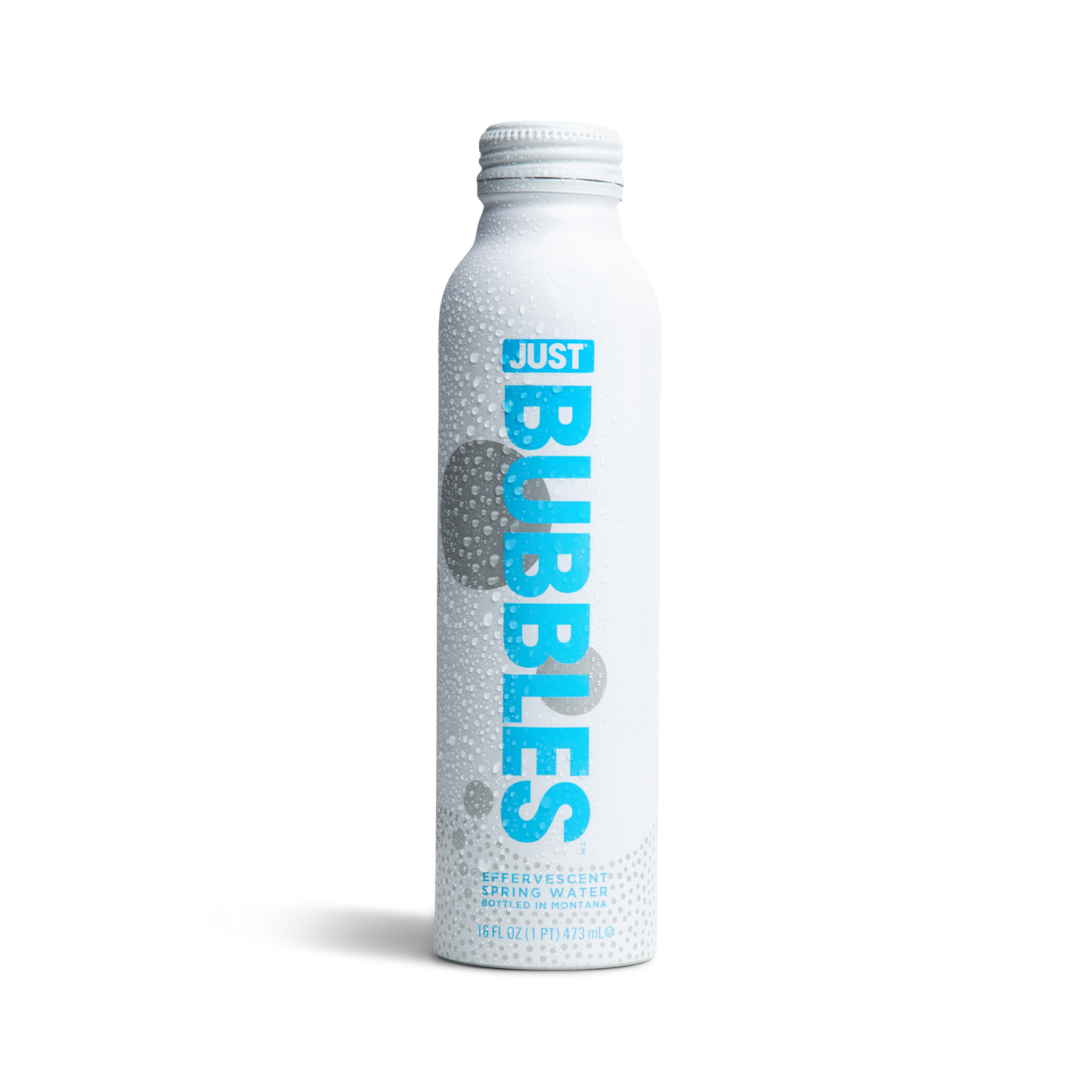
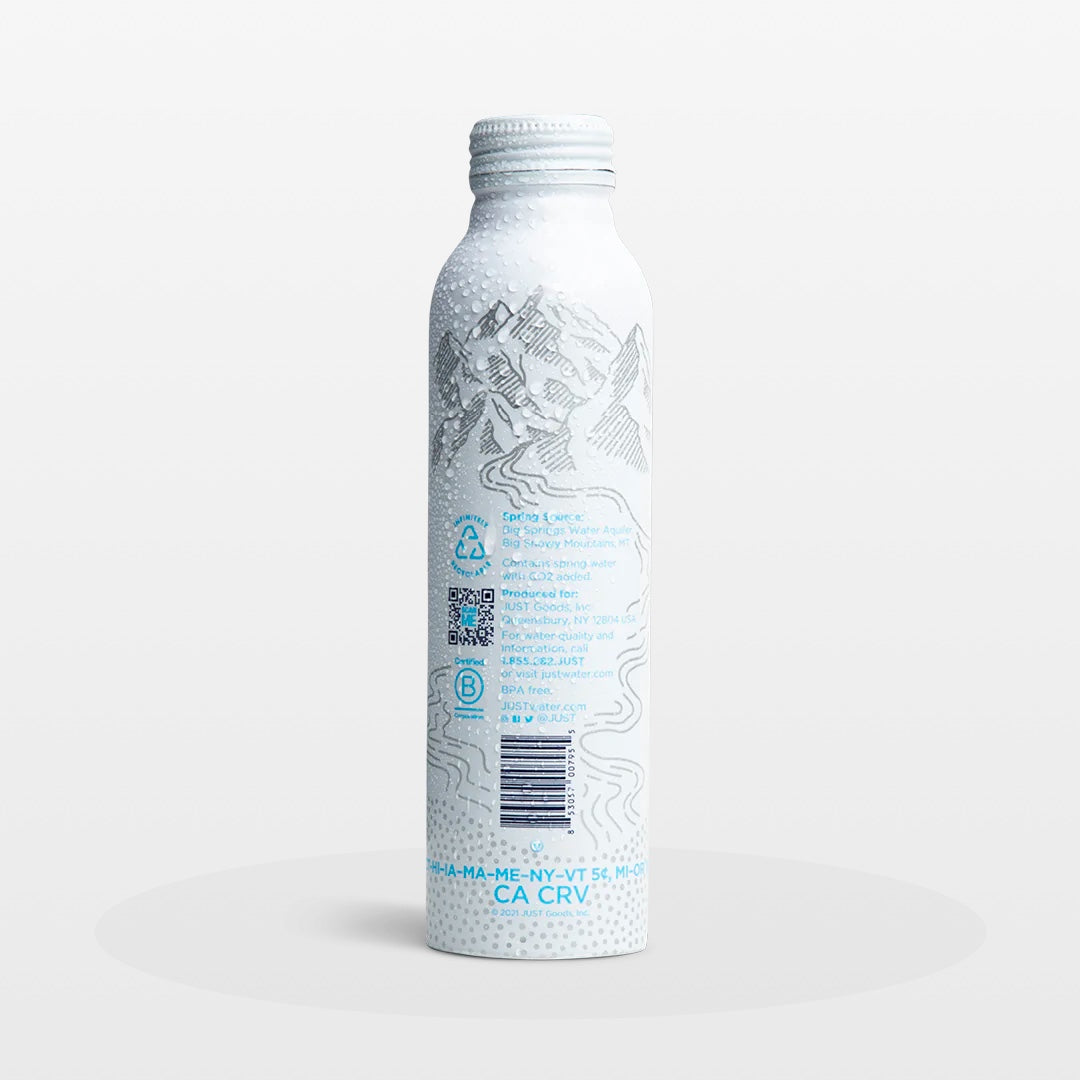
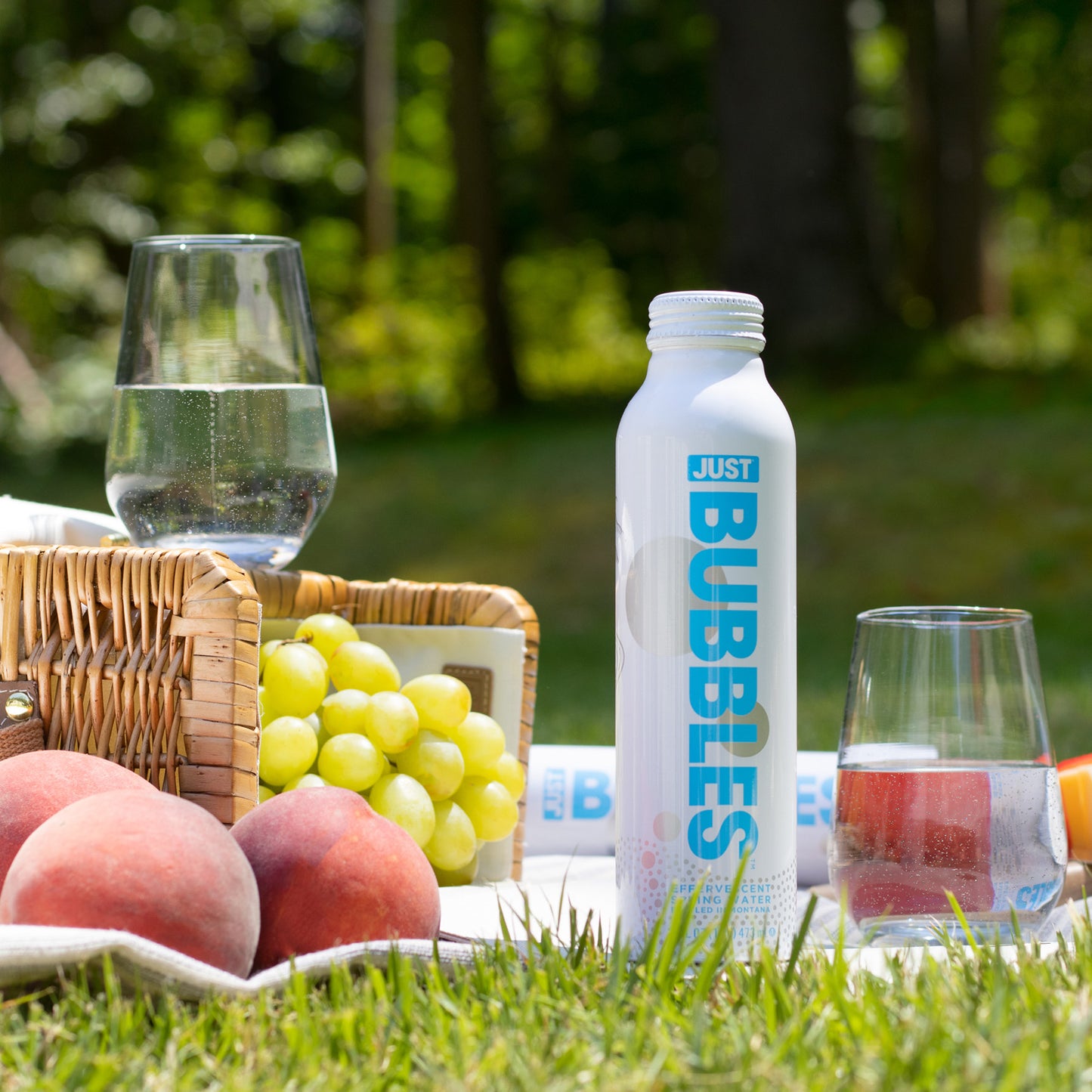
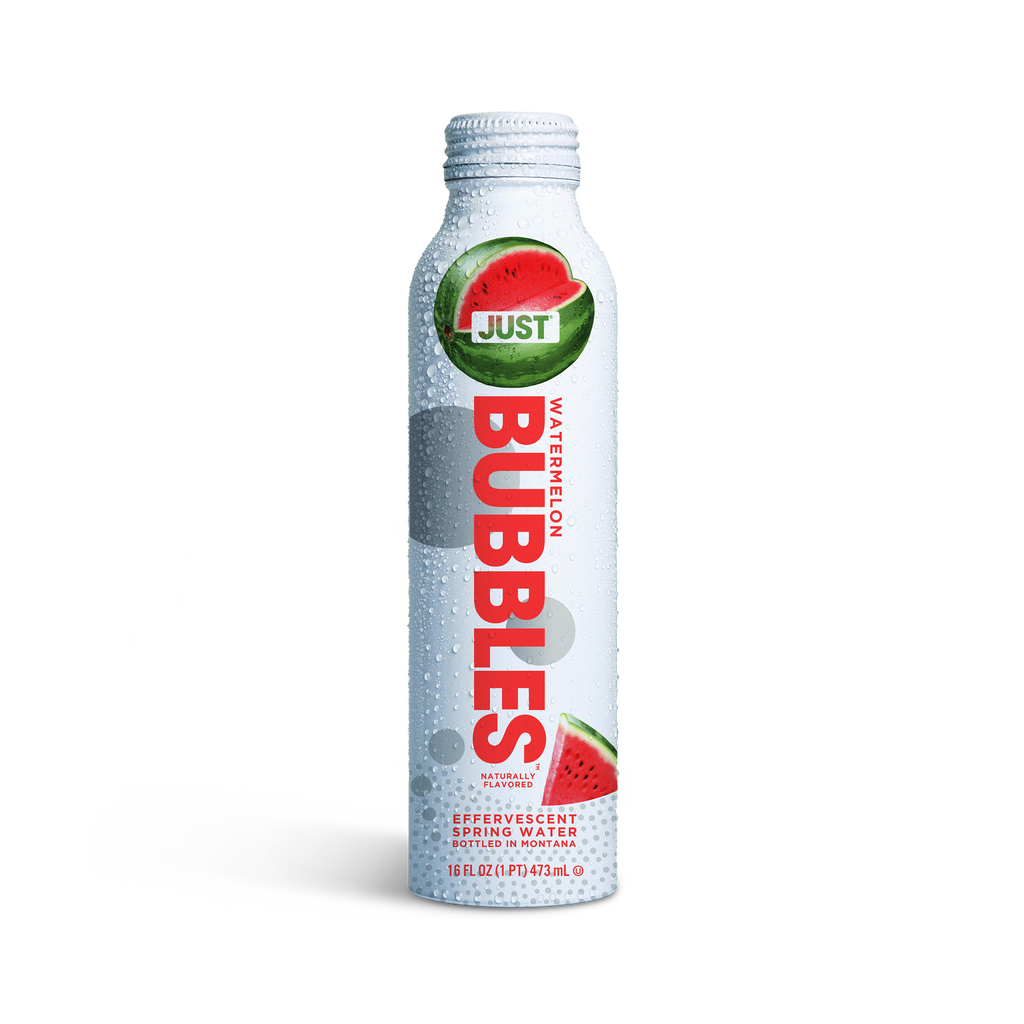
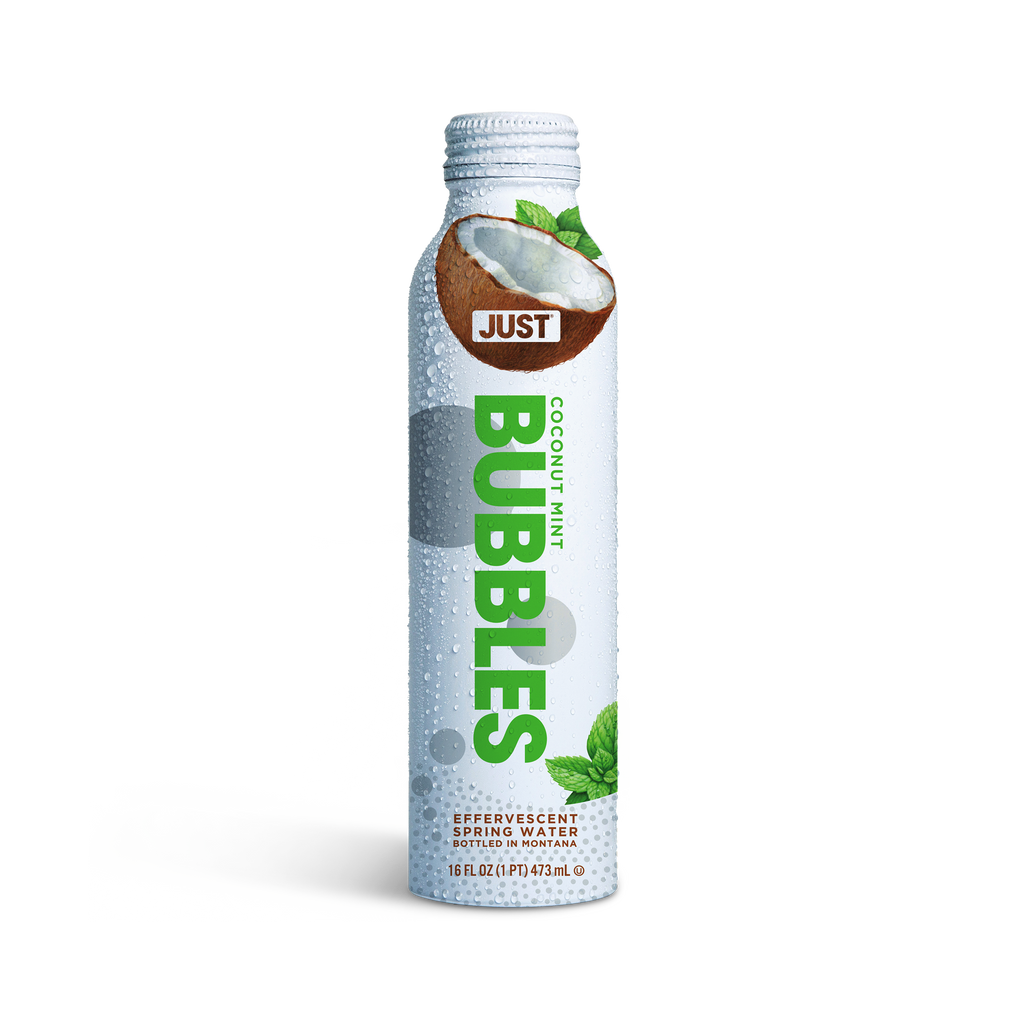
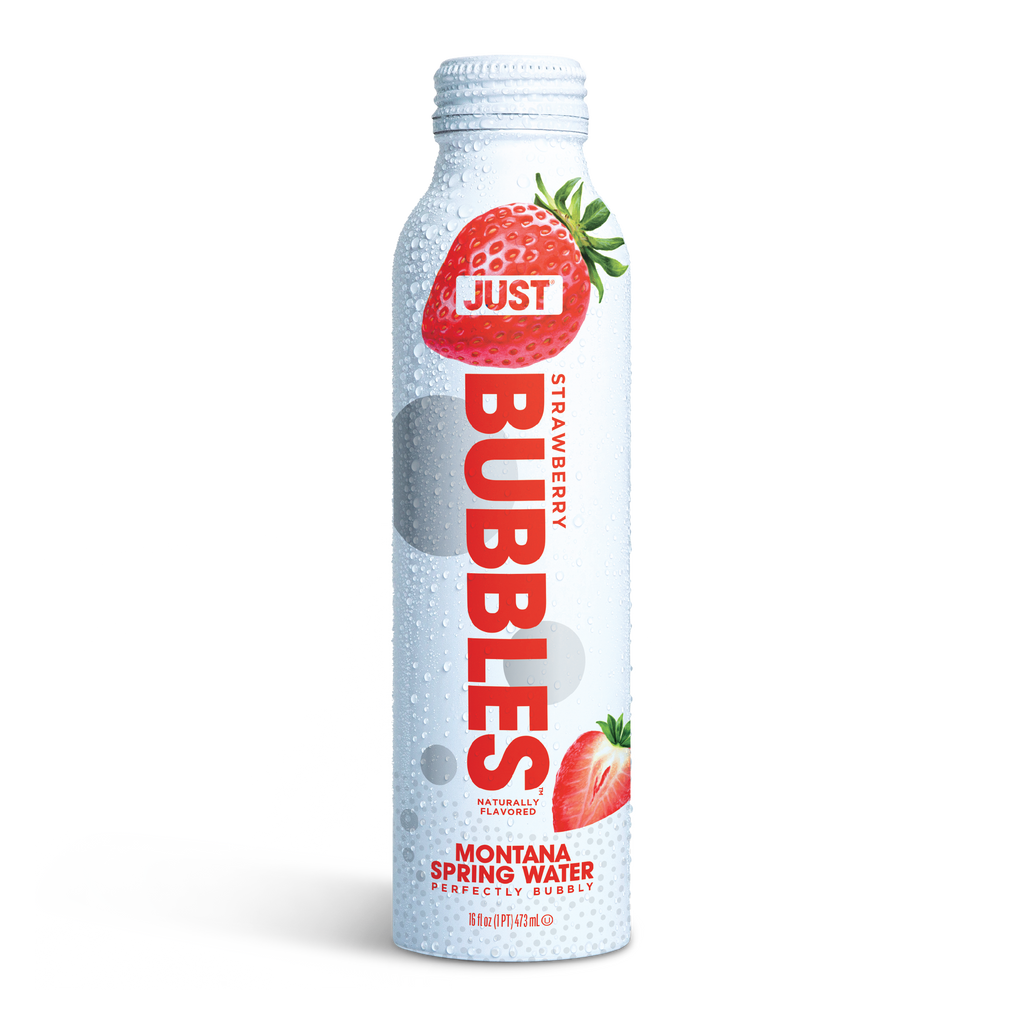
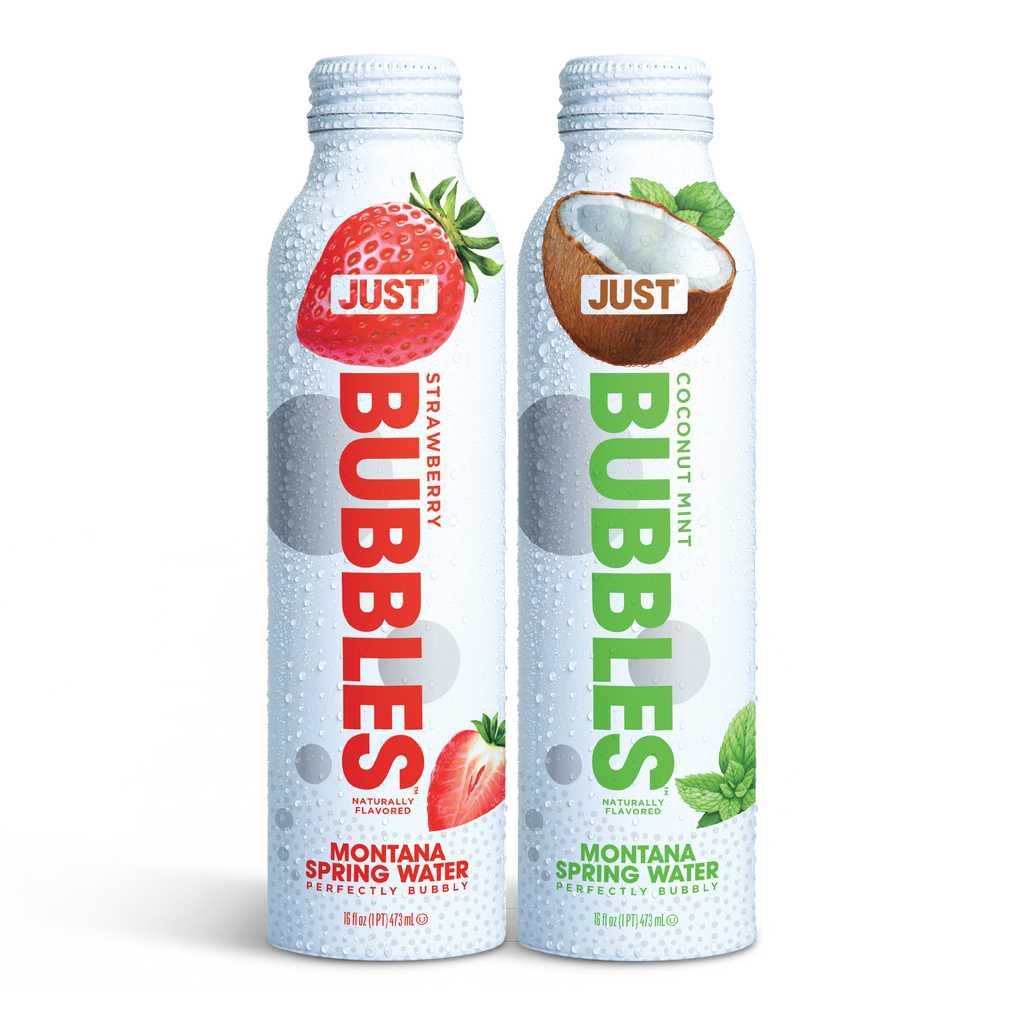
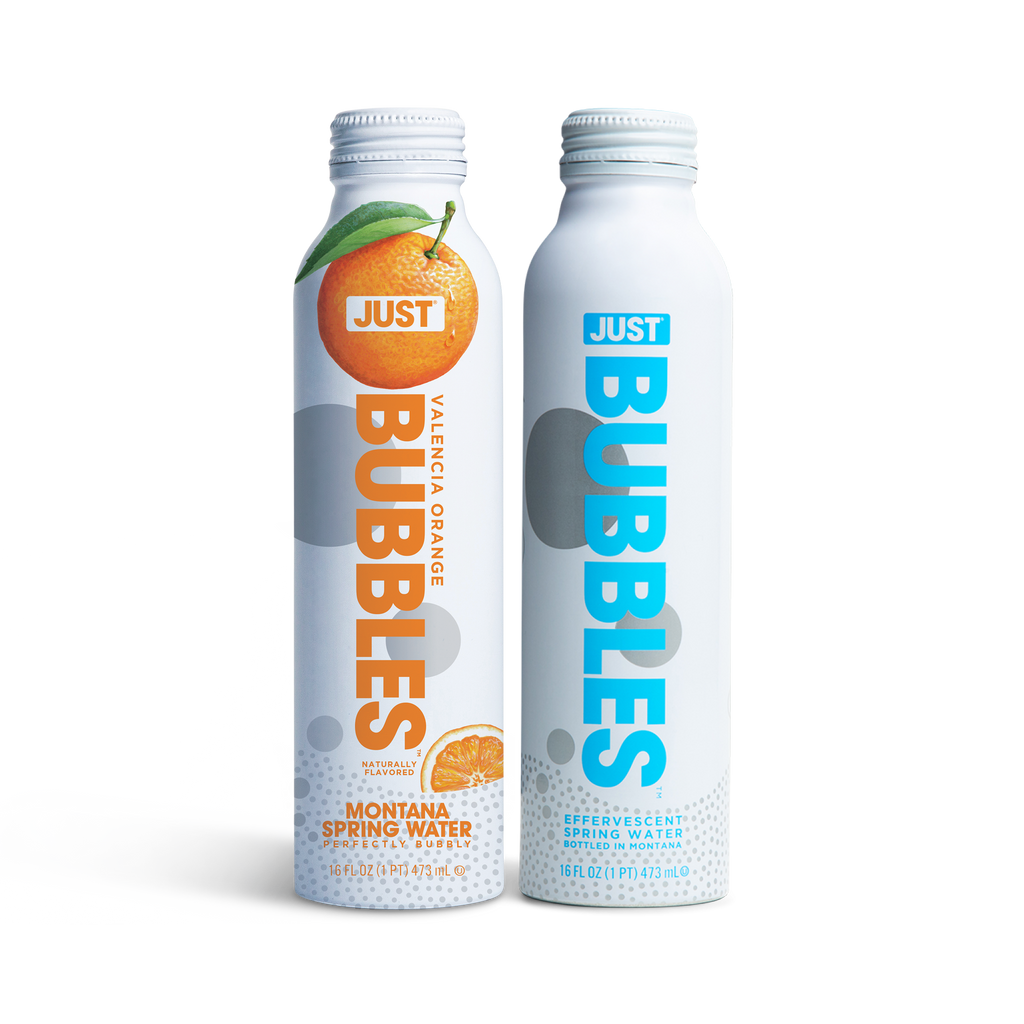
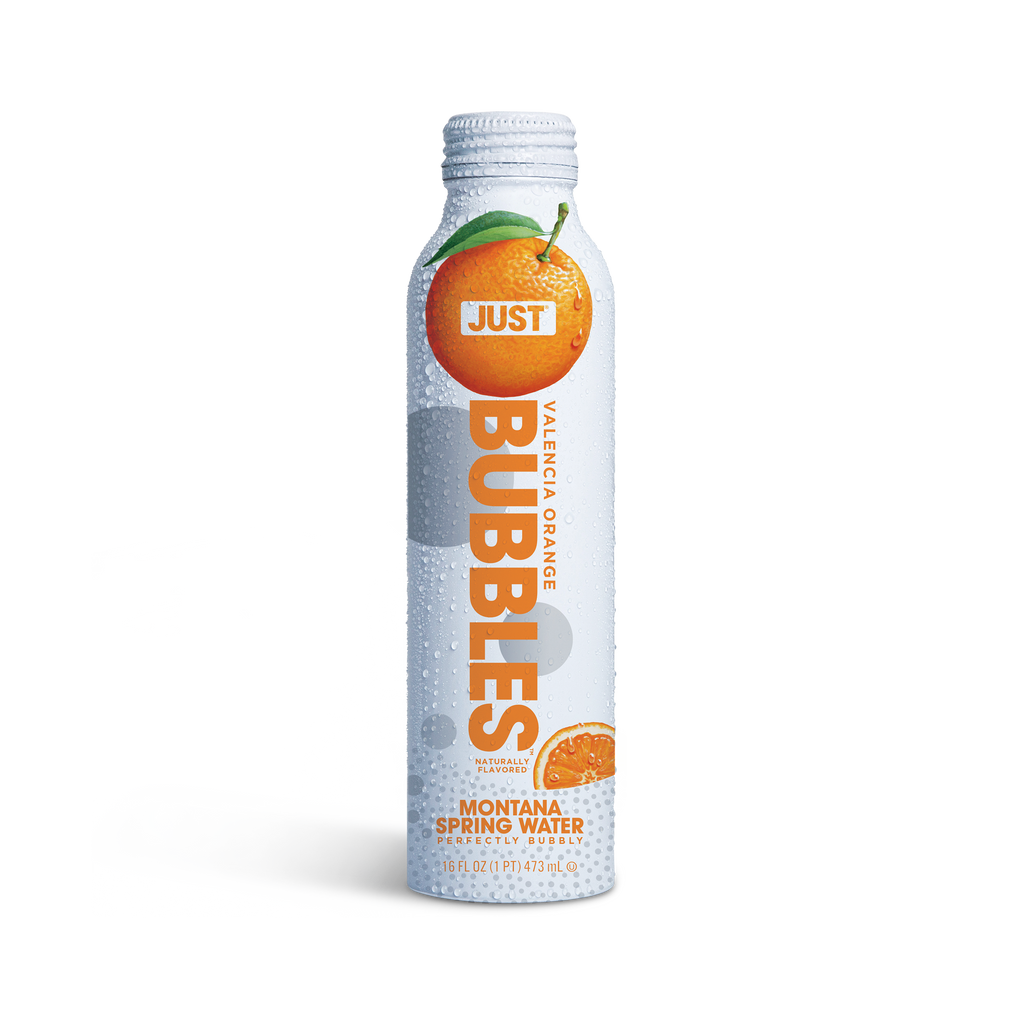
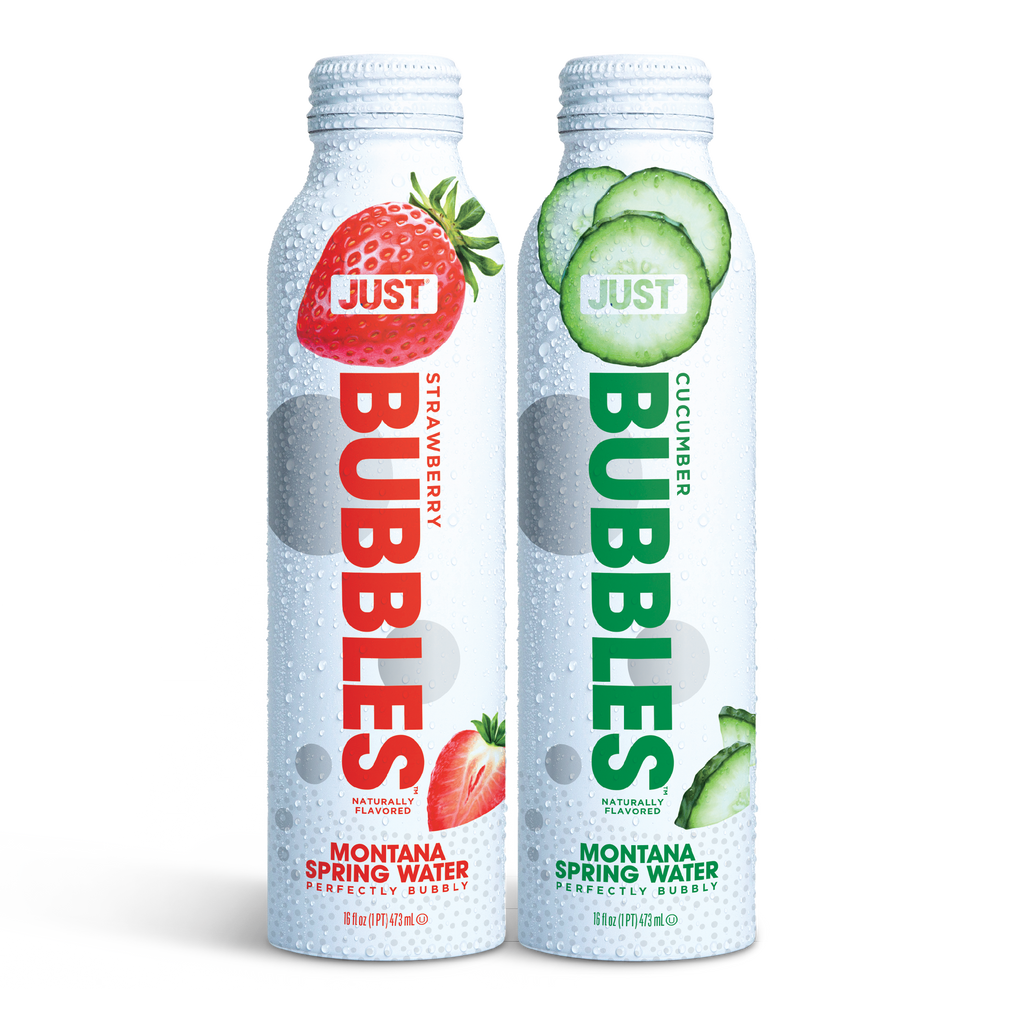
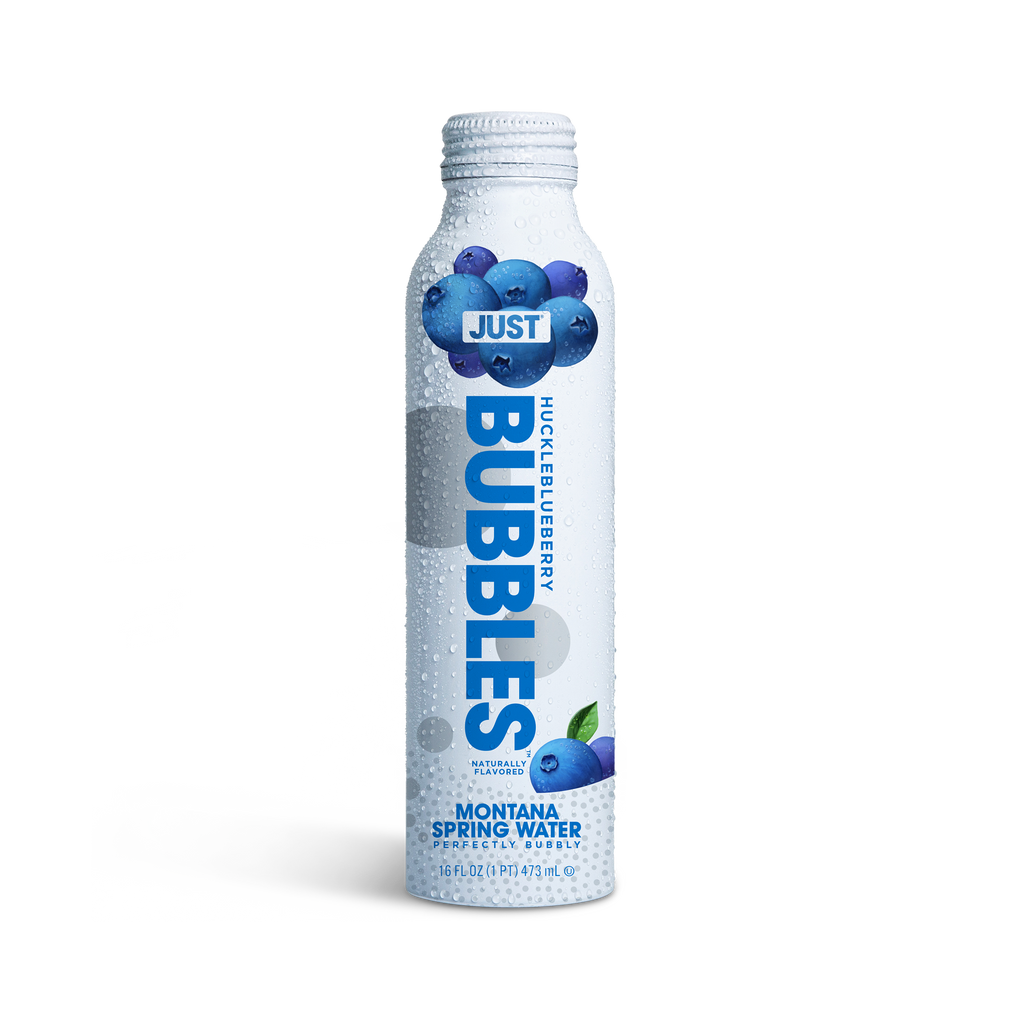
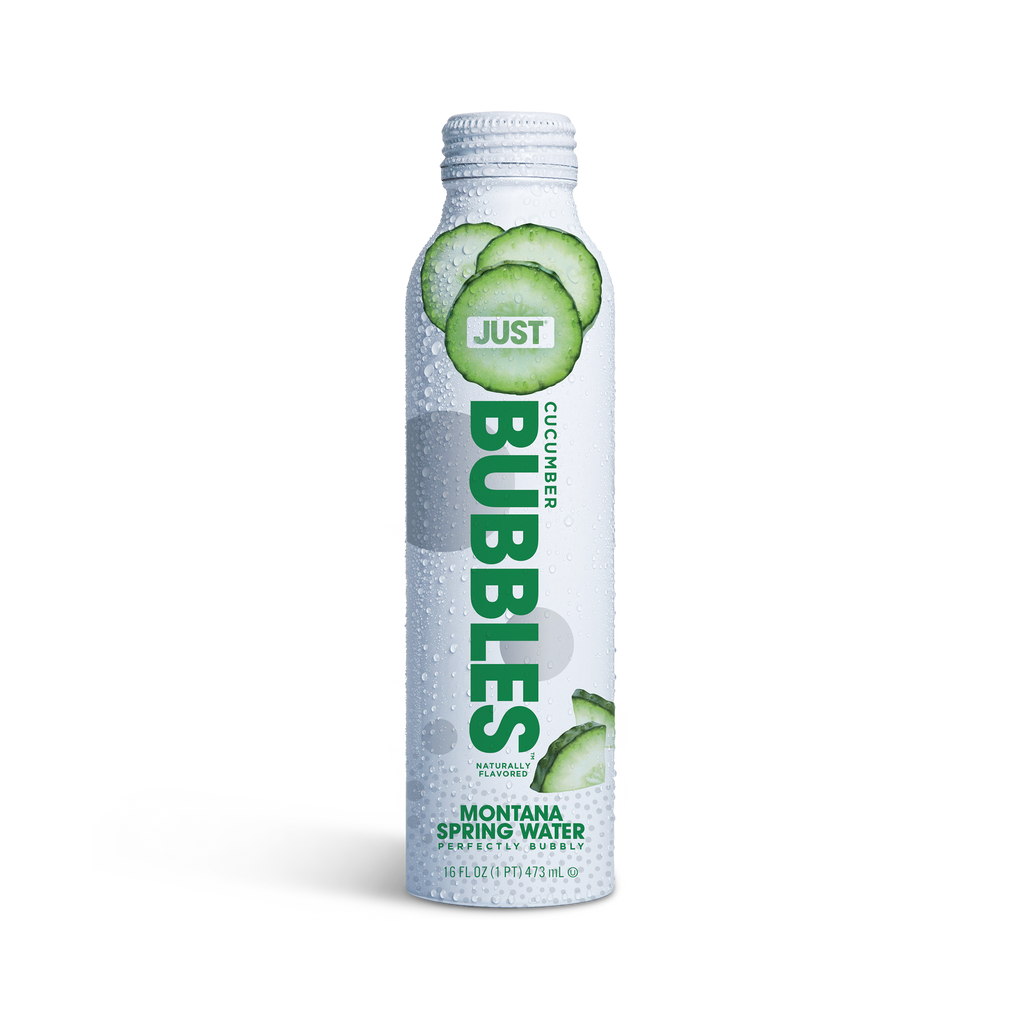
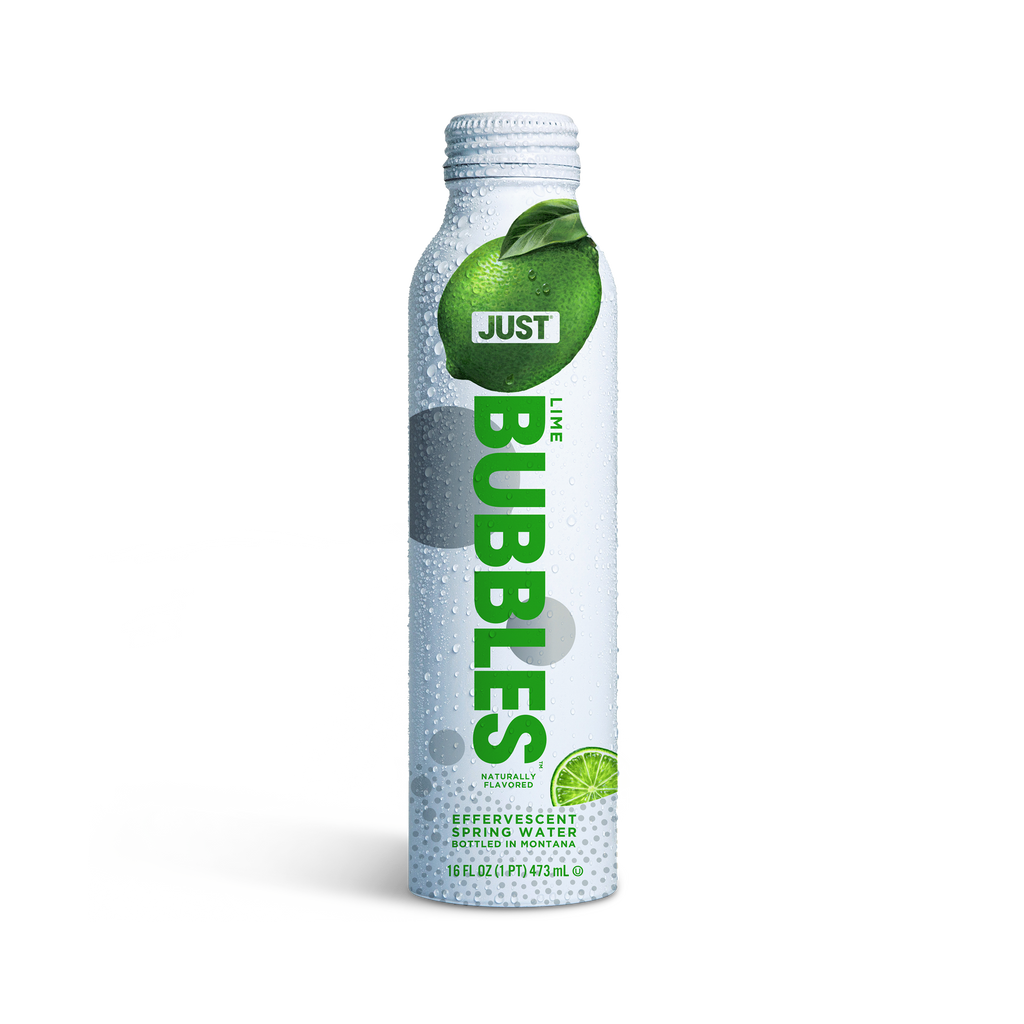
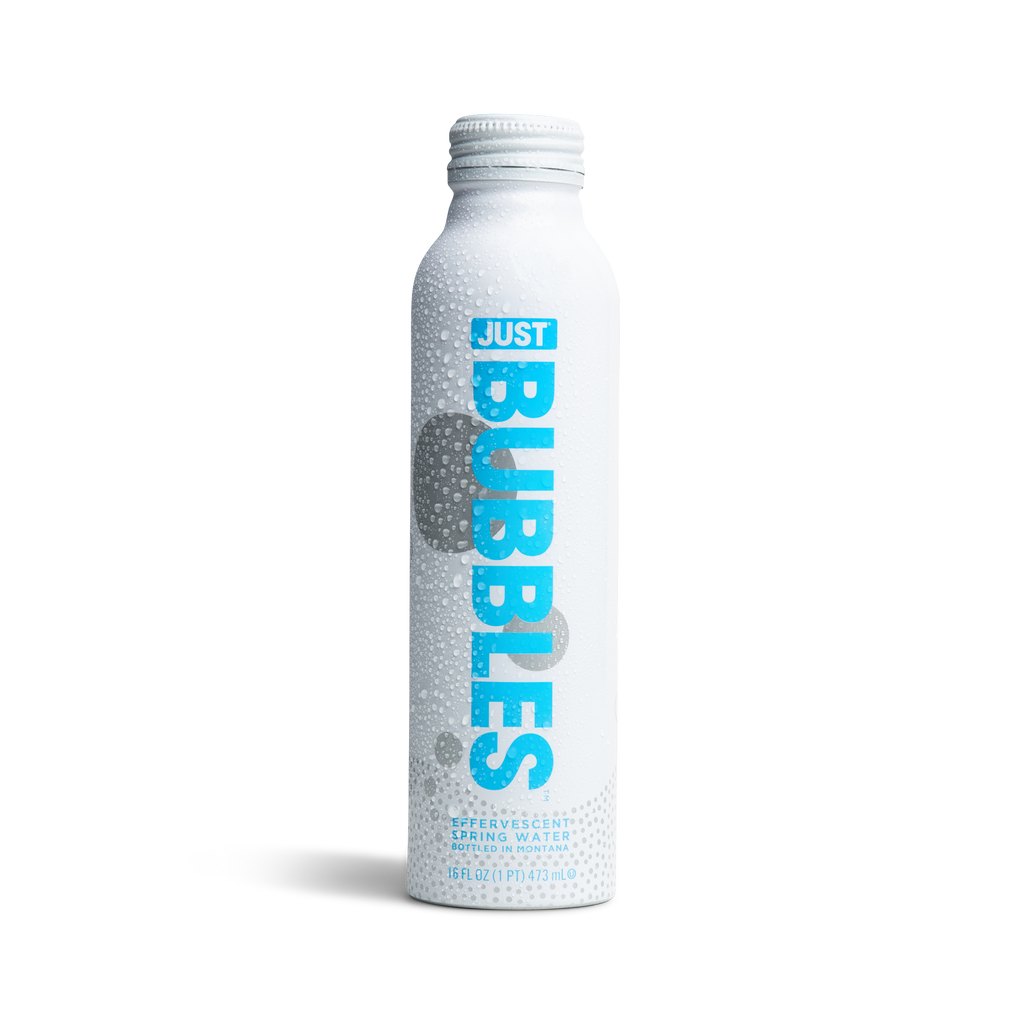
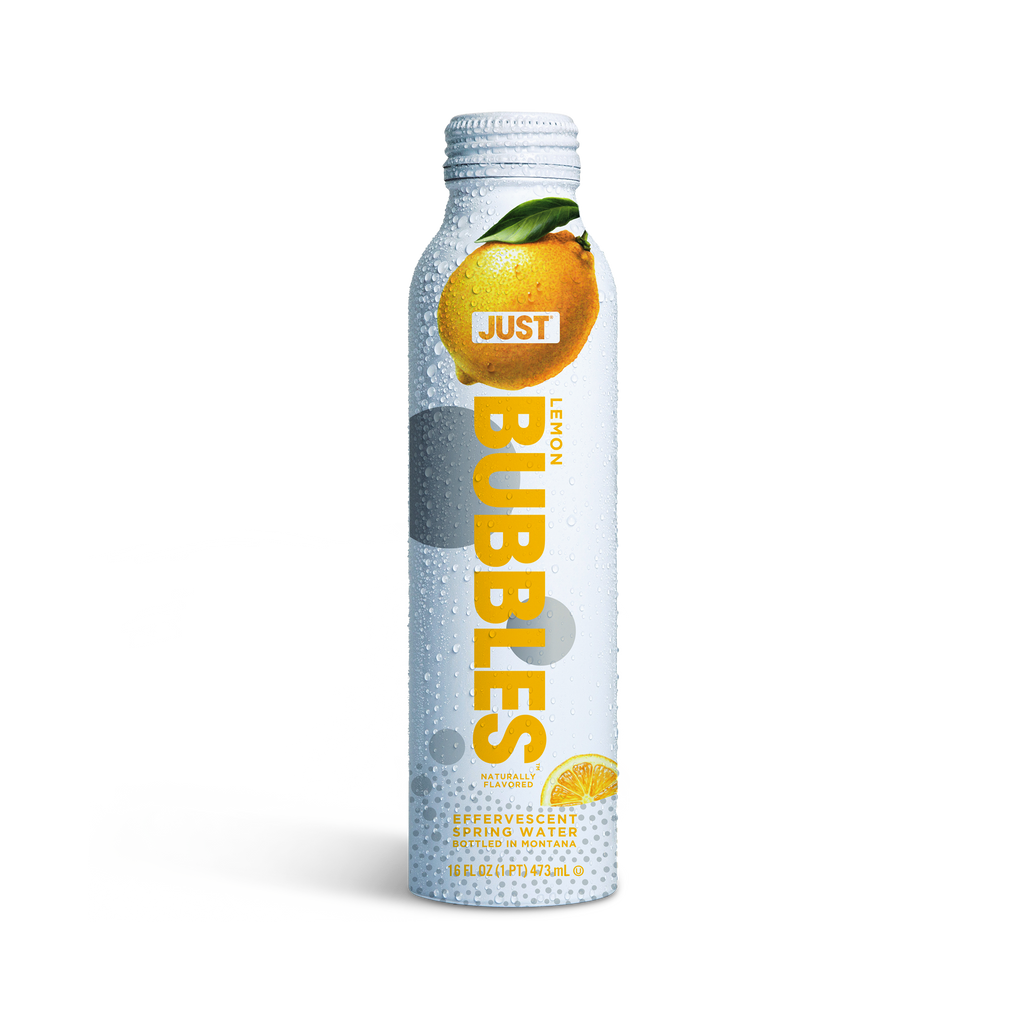
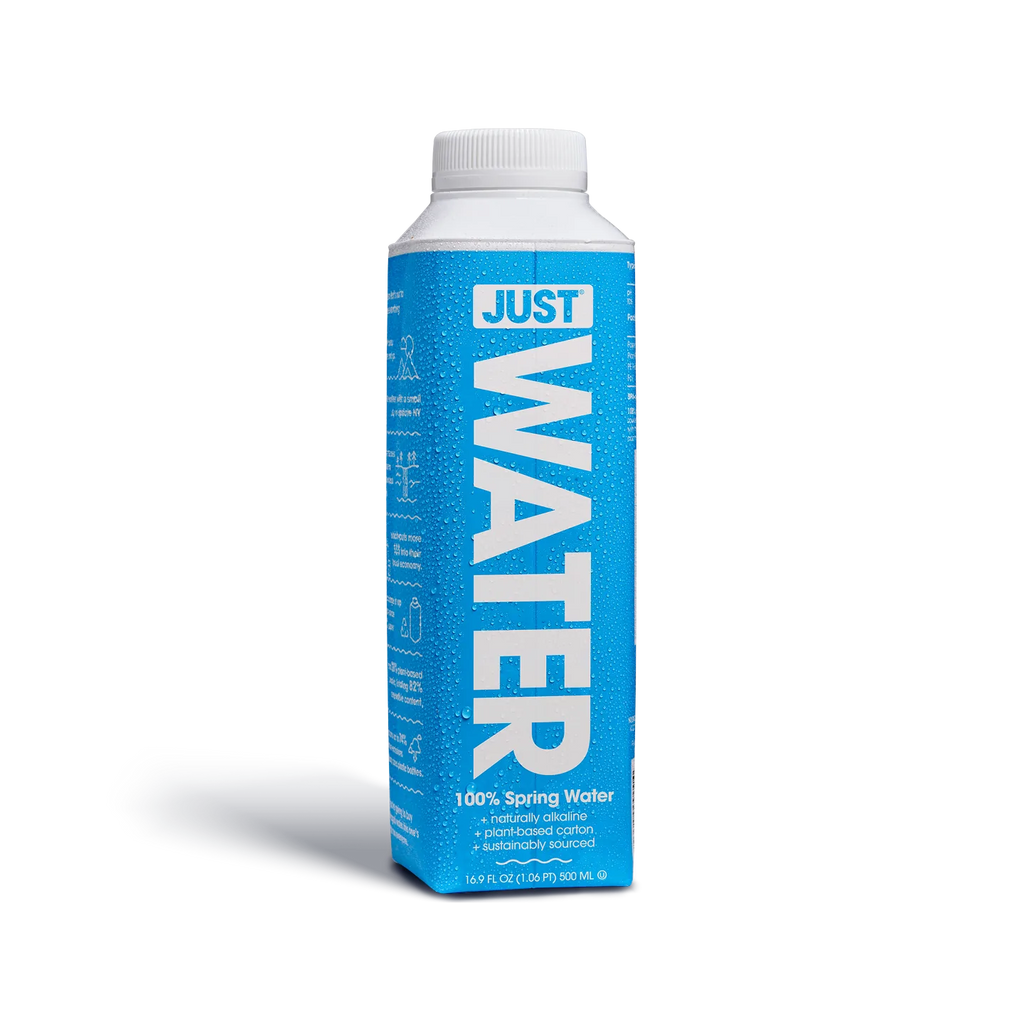
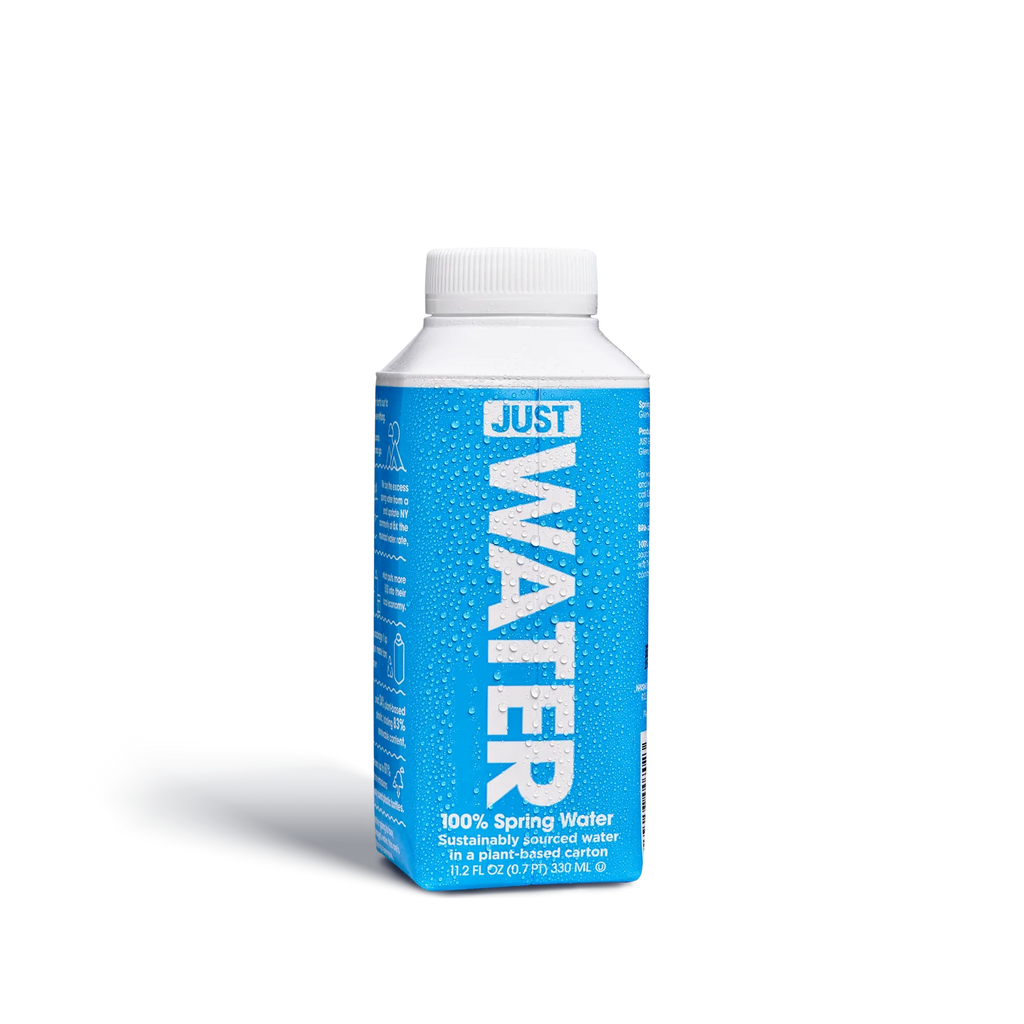
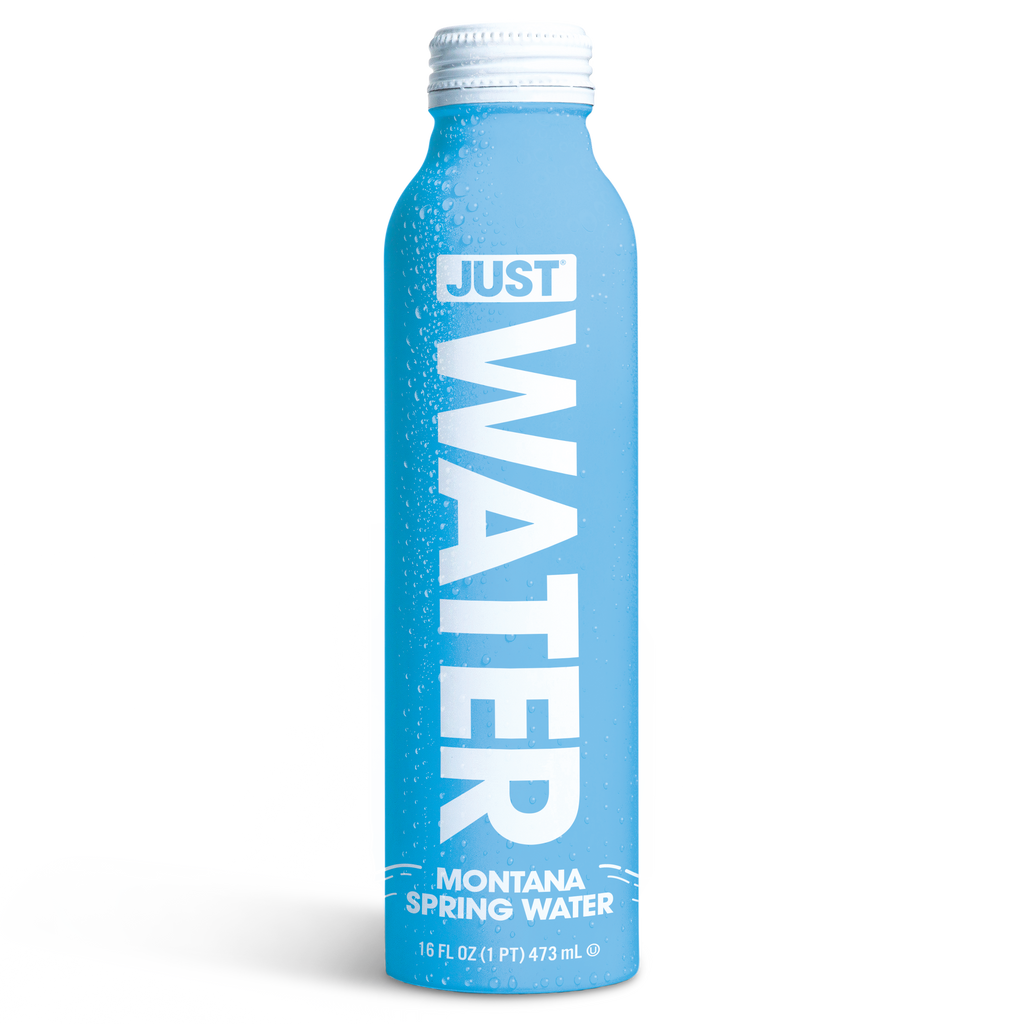
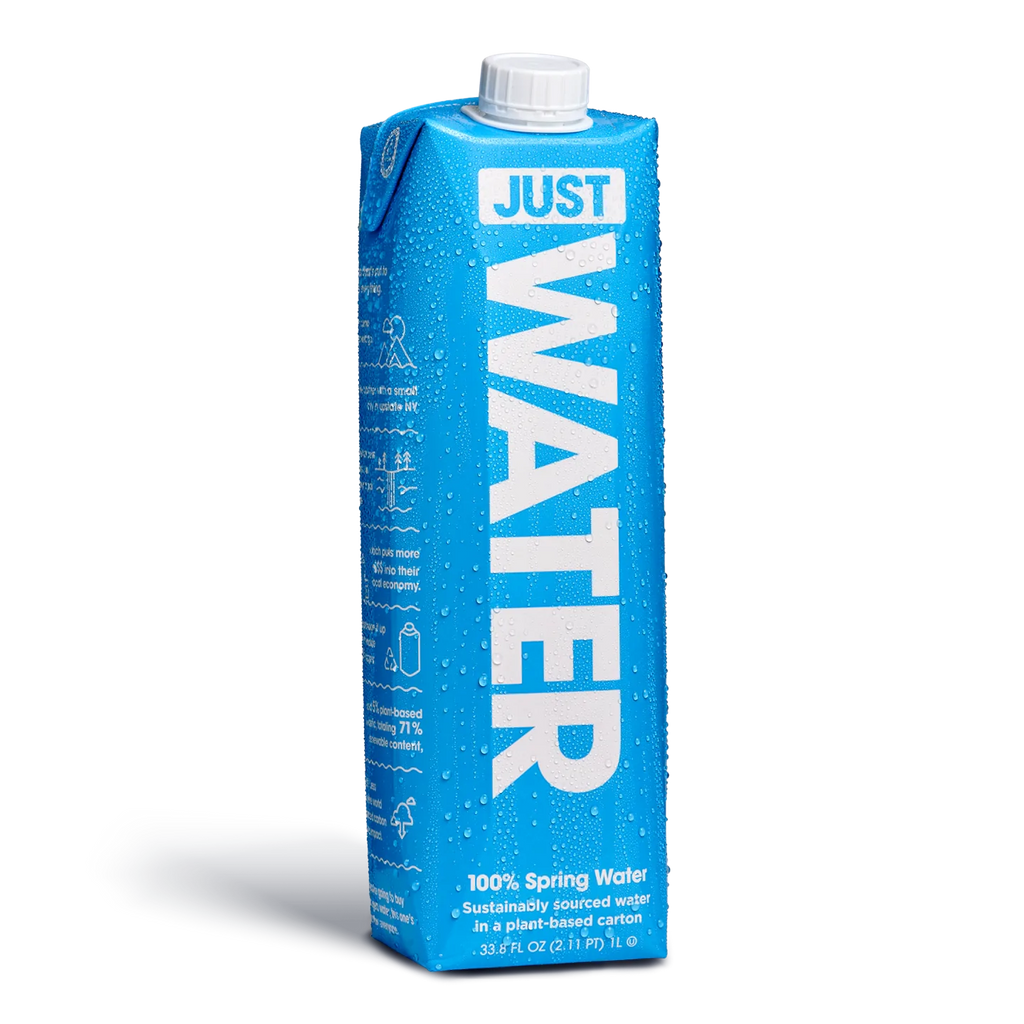
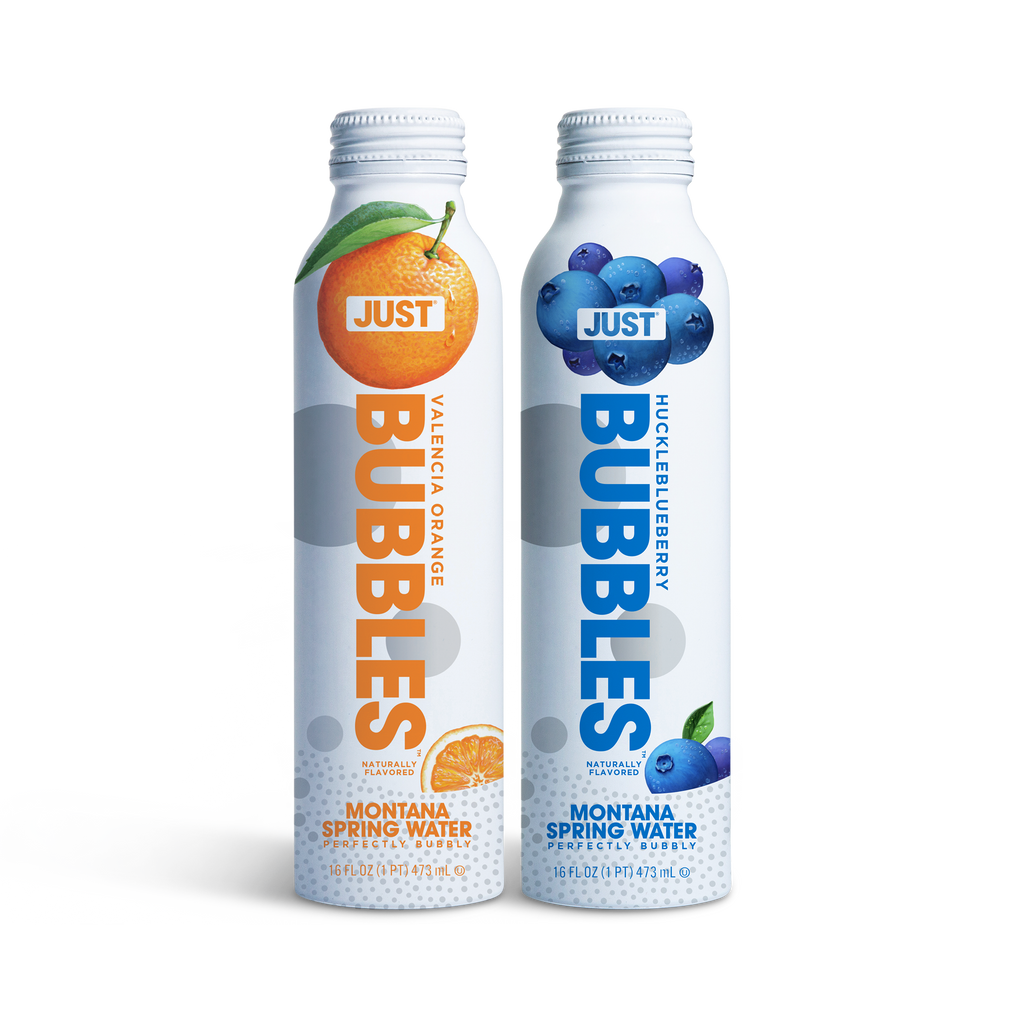
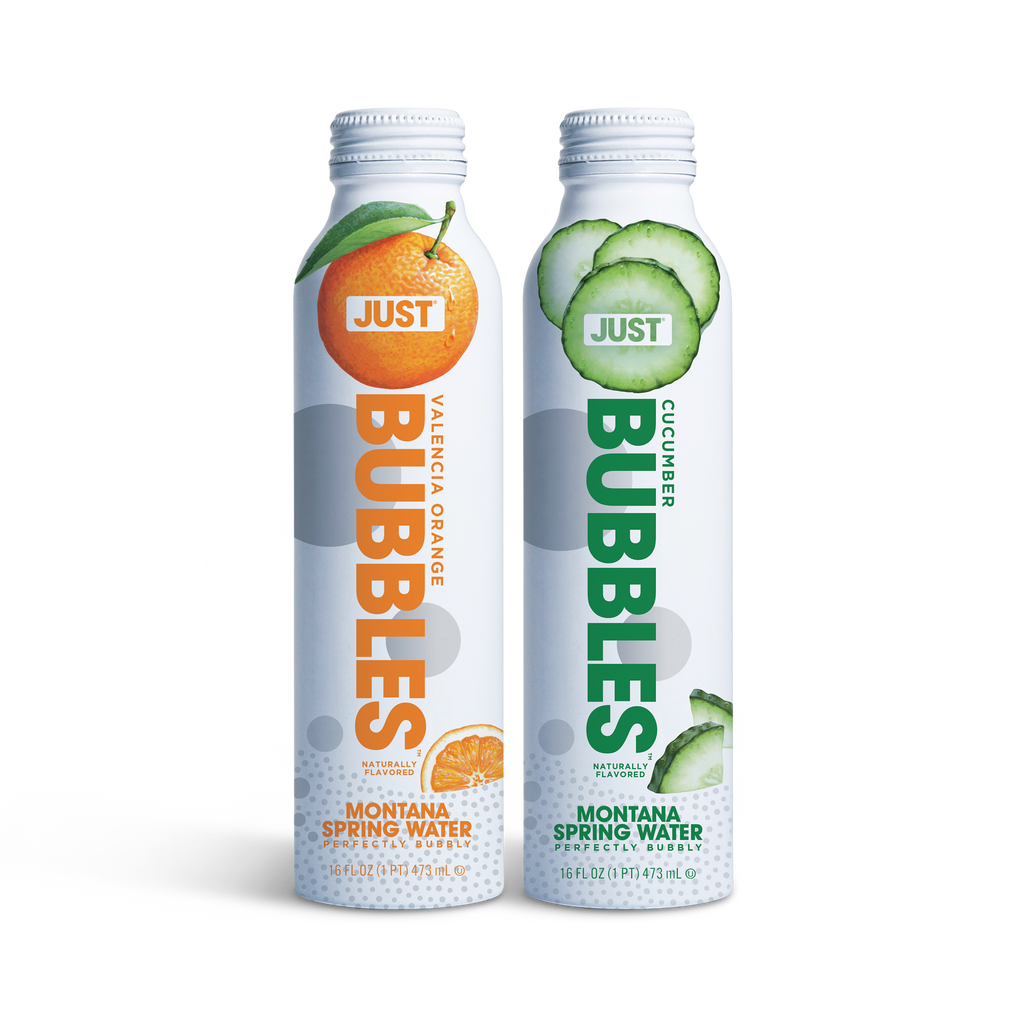
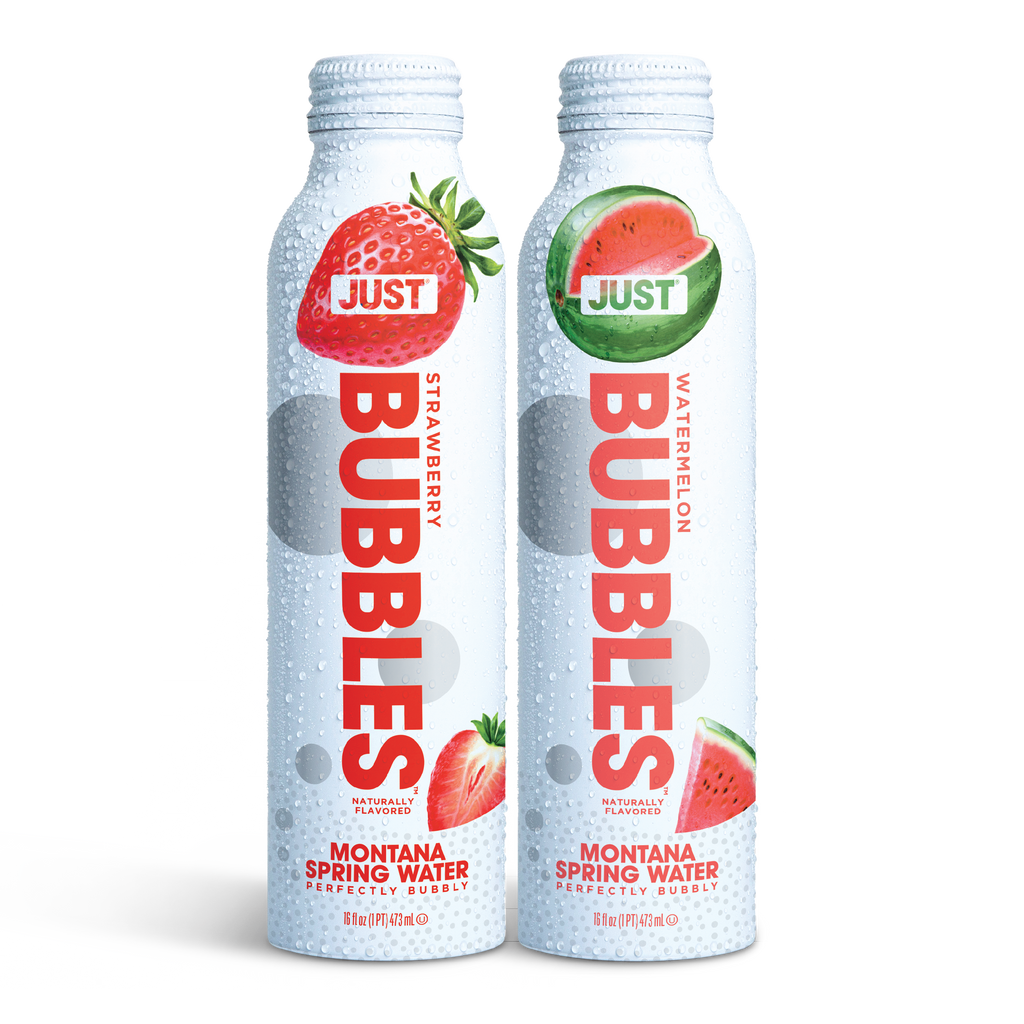
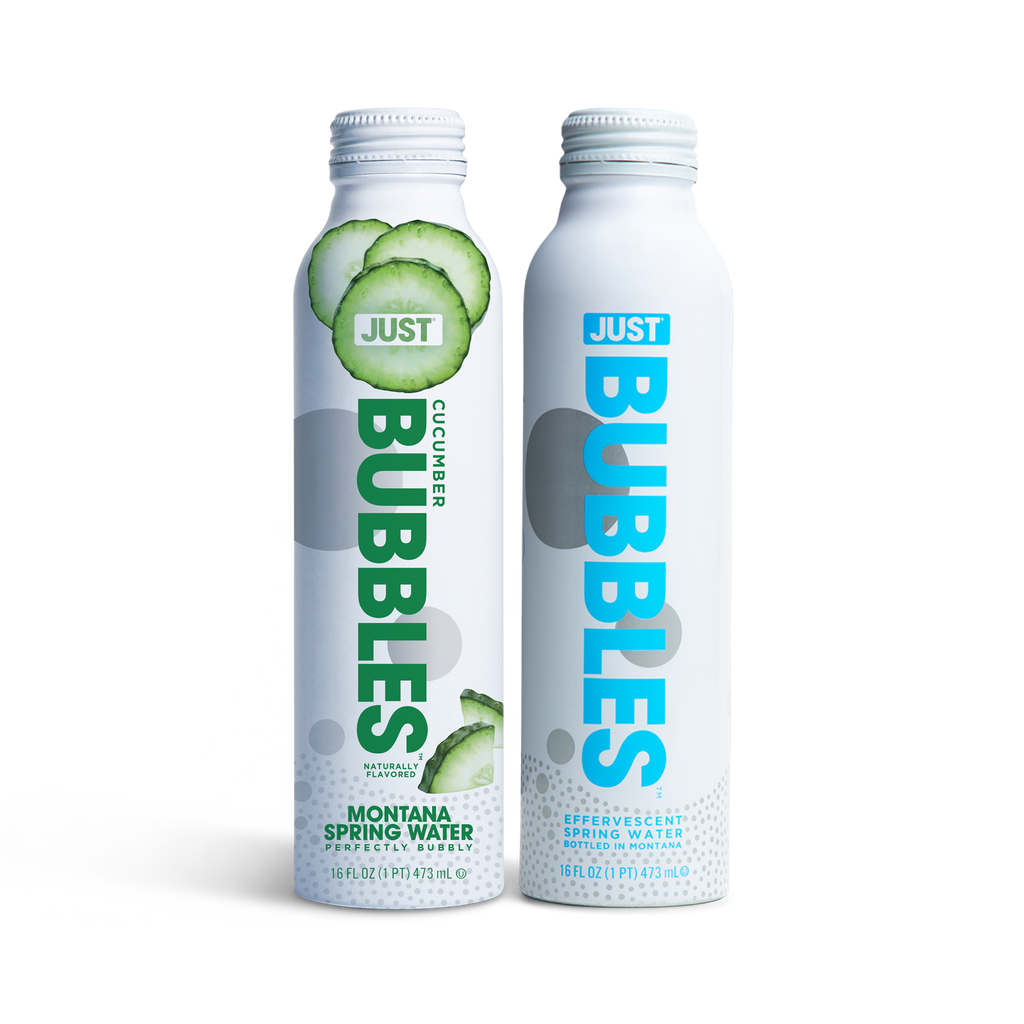
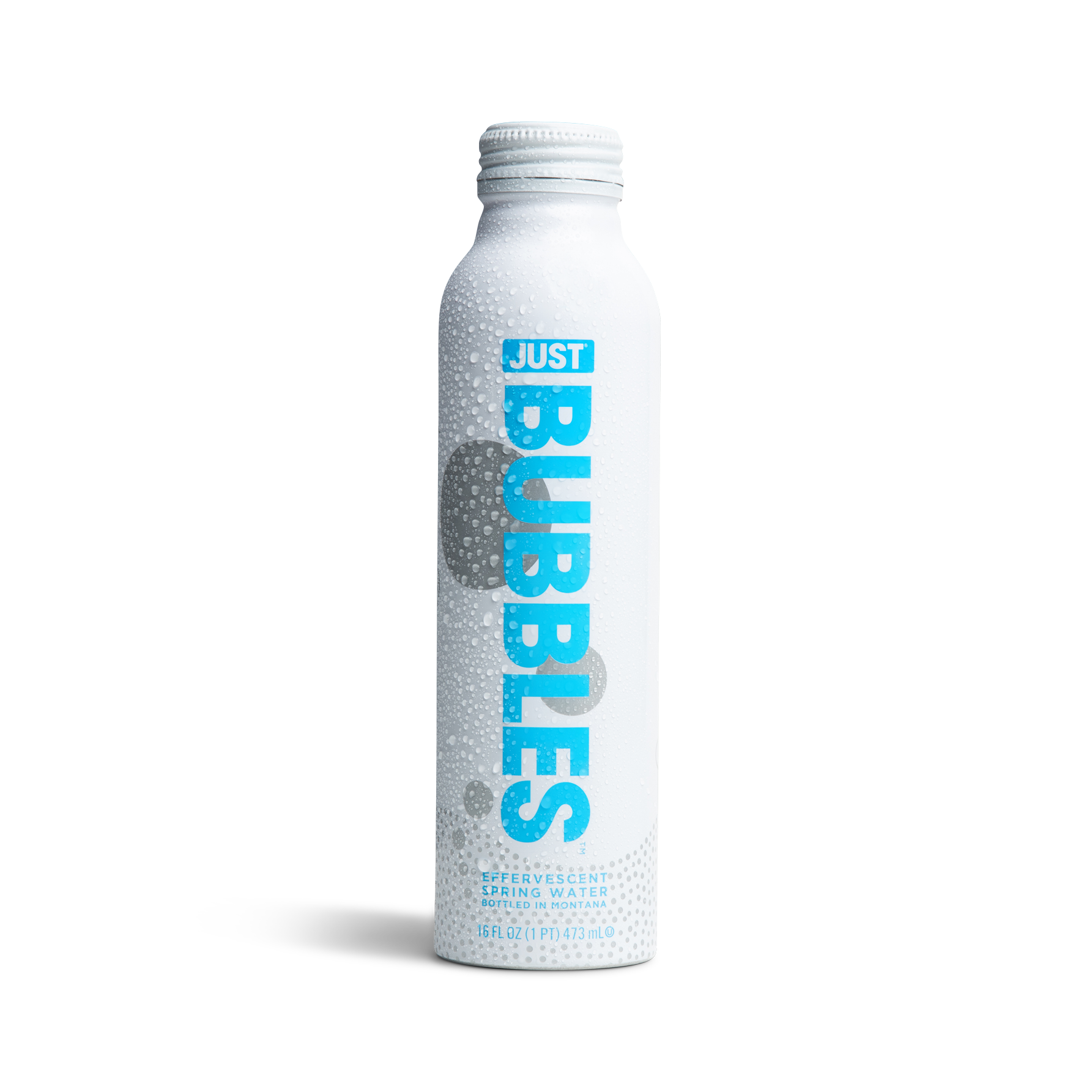
The quality of what you're drinking matters too. Not all water is created equal. Our water at JUST is 100% spring water that comes from a natural source, packaged in a plant-based carton that's better for the planet and better for the times when you want your hydration to feel intentional, not just obligatory. If you're more of a sparkling water person, Bubbles delivers that fizz without the additives that can throw your system off. Either way, what you put in your glass is as important as what you put on your plate.
The Bottom Line
Metabolism is complex. Nutrition science is full of caveats and asterisks. But among all the variables involved in how your body produces and uses energy, hydration is one of the most consistently, universally important, and also one of the most underrated.
You don't need a biohack. You need water. Enough of it, consistently, throughout the day. It won't single-handedly transform your body composition overnight, but it will make every other healthy habit you have work significantly better. Think of hydration as the infrastructure on which your metabolism runs.
And infrastructure, as anyone who has driven through a pothole-riddled city can confirm, is worth investing in.
JUST WATER
Original Bubbles-- 16 fl oz | 24 Pack