




















HOW TO BUILD A PROACTIVE AND REALISTIC RELAXATION ROUTINE
Written by Just Water
Relaxation shouldn't be something you scramble for after burnout hits. It should be built in, a routine you return to on purpose, the same way you'd schedule a workout or a meeting. That's the idea behind a proactive relaxation routine: instead of waiting until you're overwhelmed to unwind, you create small, repeatable rituals that keep your nervous system regulated all week long.
A great place to start is your water glass, but it's just one piece of the puzzle. Below is a full framework for building relaxation into your week, from what you drink to how you move, breathe, and wind down.
Why Proactive Beats Reactive
Waiting until you're stressed to relax is a little like waiting until you're starving to think about groceries: it works, technically, but it's a lot harder than it needs to be. A proactive routine keeps your baseline lower so you're not constantly playing catch up. It doesn't require an hour of free time. It requires a handful of small, repeated anchors throughout your day.
Step 1: Anchor Your Routine to Existing Moments
Don't try to build relaxation from scratch. Attach it to something you already do:
- Morning: the first glass or carton of water before coffee
- Midday: a reset moment between meetings
- Evening: a wind-down window an hour before bed
- Pick one or two anchor points to start. Consistency matters more than volume.
Step 2: Turn Plain Water Into a Ritual
Hydration is already a form of self-care, and the act of preparing something for yourself, even something as simple as infused water, is itself a small mindfulness practice.
Cucumber "Spa Water," Two Ways
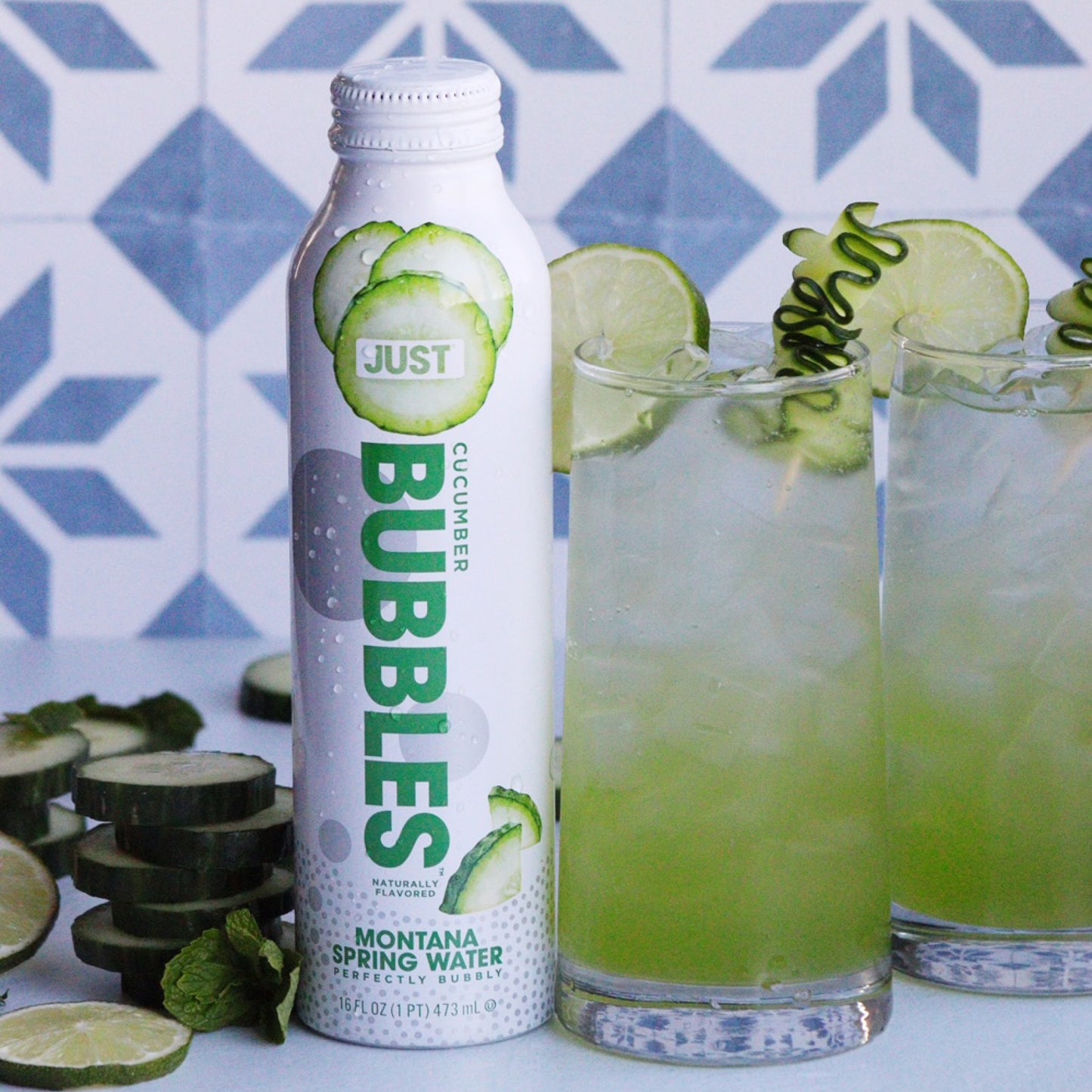
- Still cucumber-mint: Thin cucumber ribbons plus a few bruised mint leaves, steeped for 30 minutes.
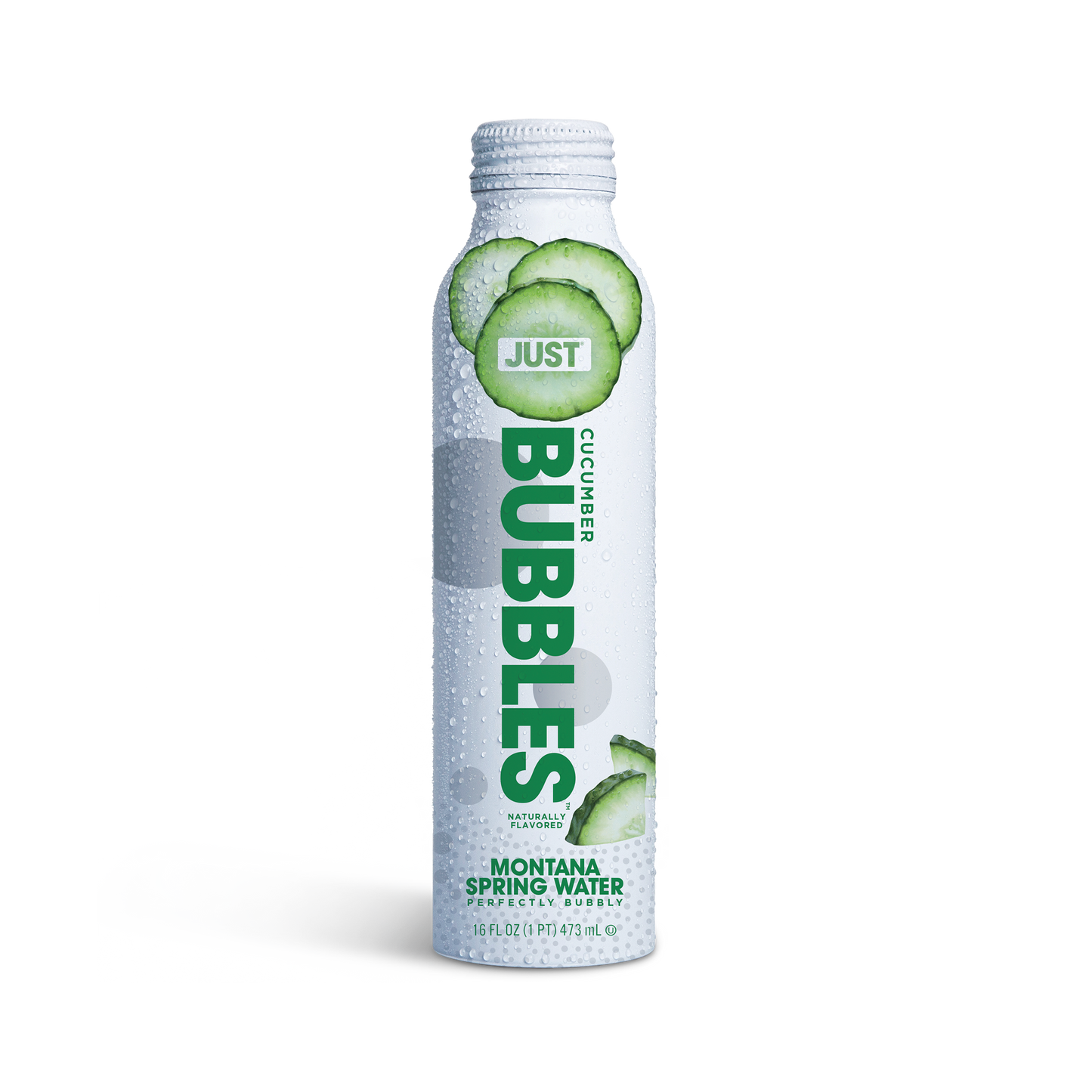
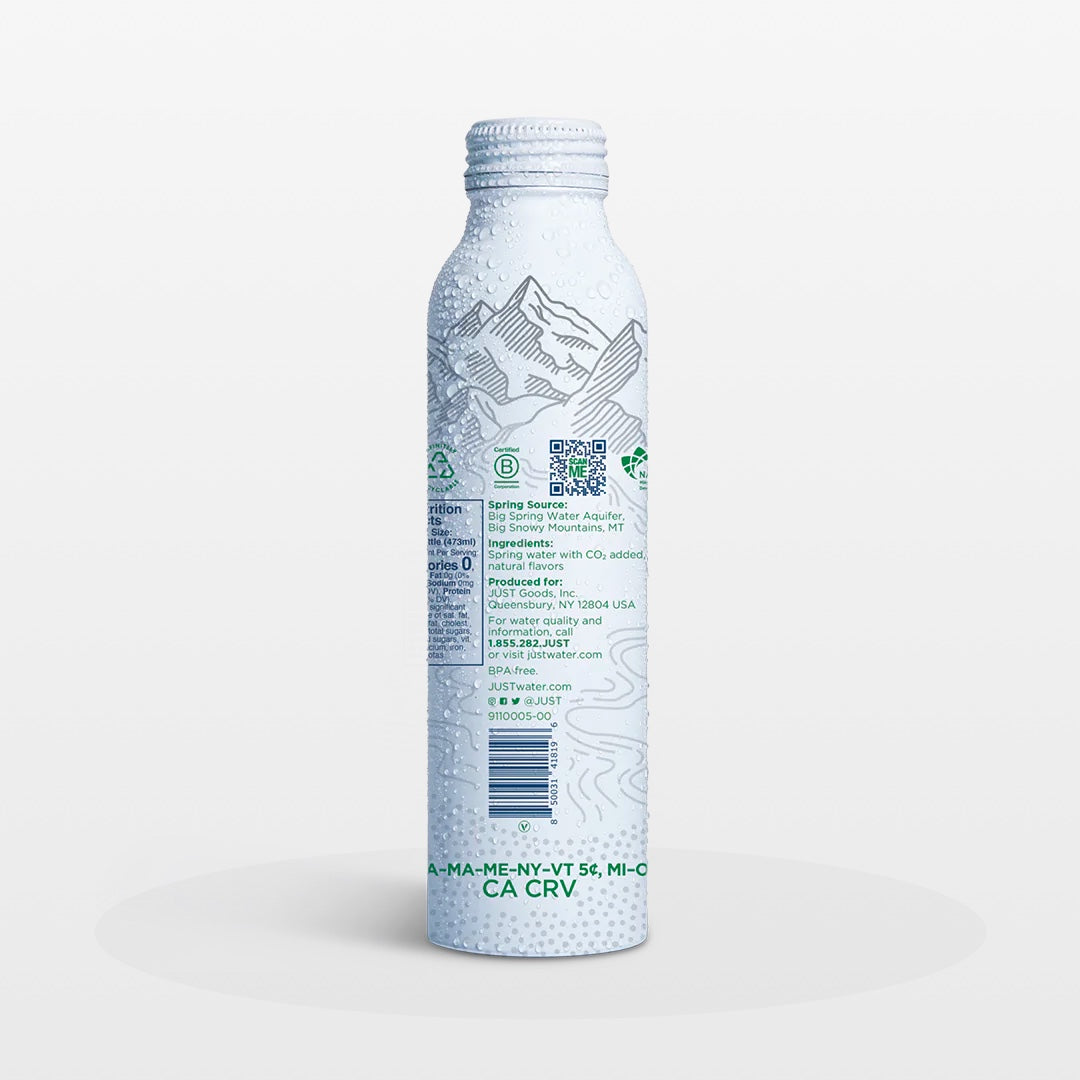
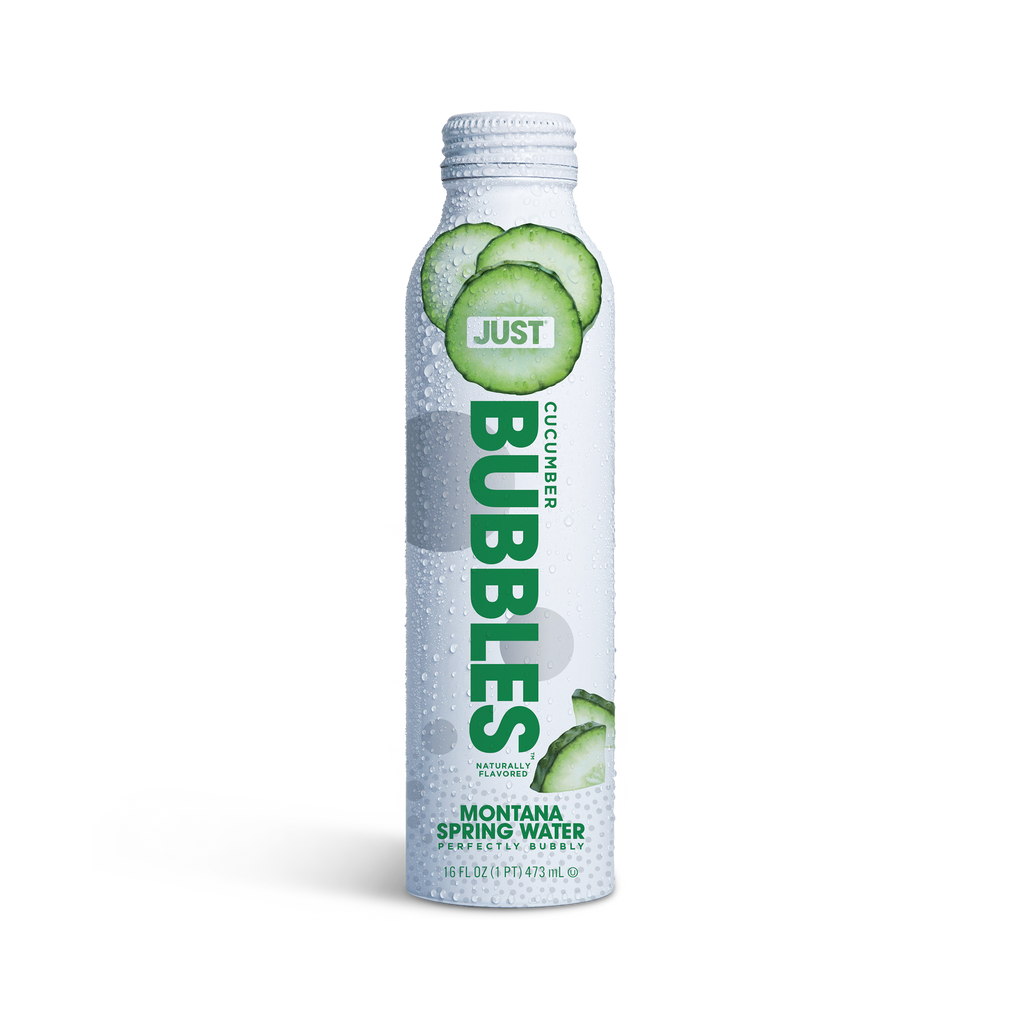
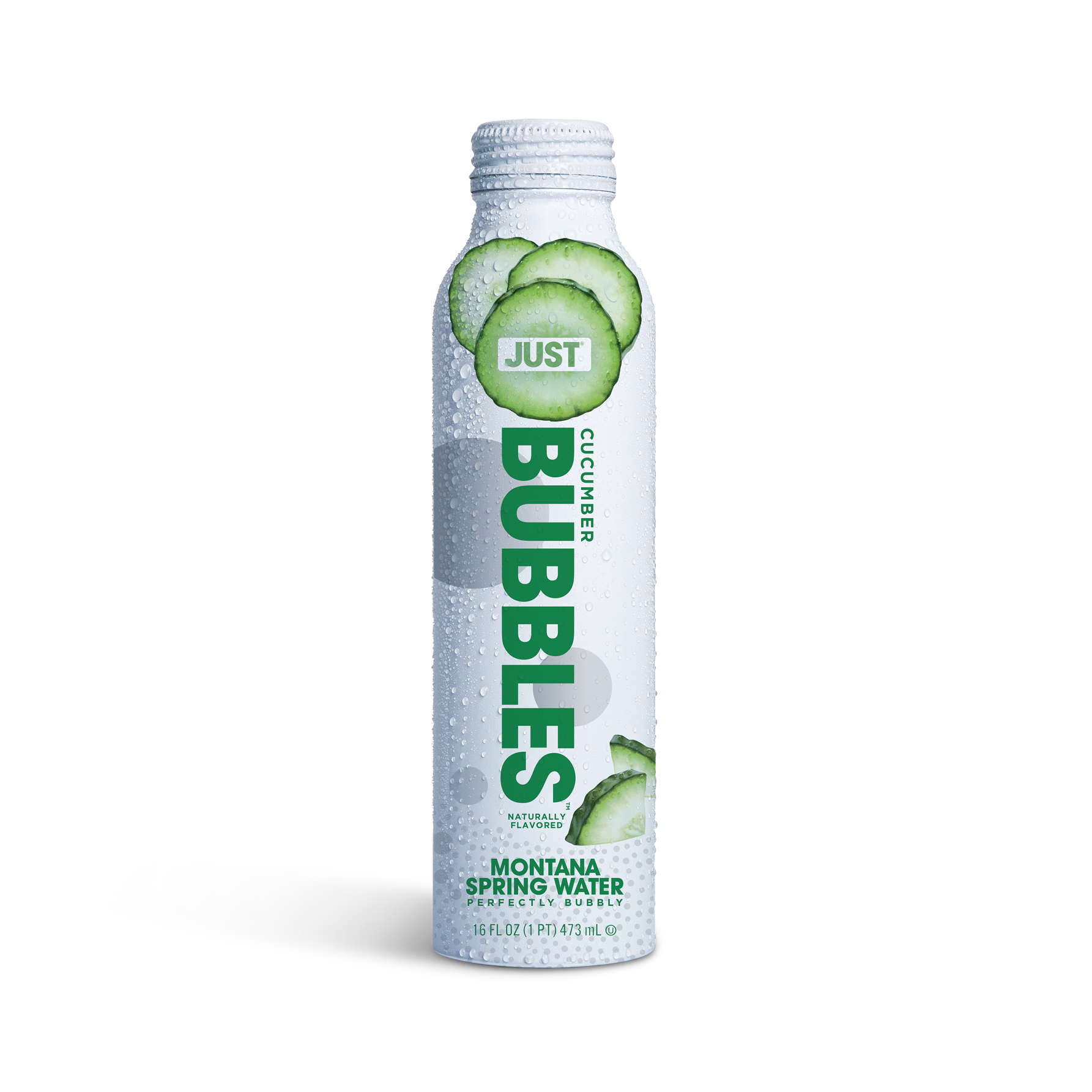
- Cucumber Bubbles: Swap in a sparkling base for a lightly effervescent, brighter take on the same combo. The Bubbles add a sensory lift that makes the ritual feel more like a treat and less like a chore.
Herbal Infusions for Calm
- Lavender: A few culinary-grade lavender buds, steeped 15 to 20 minutes, strained before drinking
- Chamomile: Steep a chamomile tea bag or loose flowers in room-temperature or lightly warmed water
- Lemon balm: A member of the mint family, traditionally used to promote calm; steep fresh or dried leaves for 10 to 15 minutes
- Rose: Food-grade dried rose petals add a subtle floral note and a genuinely calming ritual feel
Fruit + Herb Combinations Worth Trying
- Strawberry and basil
- Orange and rosemary
- Blueberry and lavender
- Peach and thyme
Tip: Herbal infusions taste best made a few hours ahead and chilled. Batch a pitcher in the morning so it's ready for your evening wind-down.
Step 3: Build Out the Rest of Your Relaxation Toolkit
Water is a strong anchor, but a well-rounded routine draws on a few other categories too. You don't need all of these; pick what fits your day.
Breath Work
No equipment, no time commitment beyond a minute or two.
- 4-7-8 breathing: Inhale for 4 seconds, hold for 7, exhale for 8. Repeat four times.
- Box breathing: Inhale, hold, exhale, hold, each for a count of 4.
- Sighing it out: A few long, audible exhales can signal safety to your nervous system faster than almost anything else.
Movement That Downshifts, Not Amps Up
- A slow walk without your phone, ideally outside
- Gentle stretching or a short yoga flow before bed
- Rolling your shoulders and neck at your desk every hour
Sensory Resets
- Dimming lights or switching to warmer lighting in the evening
- A specific scent (lavender, cedar, citrus) reserved only for wind-down time, so your brain learns to associate it with calm
- Weighted blanket or a warm compress for a few minutes
Digital Boundaries
- A "no scrolling" buffer for the last 30 minutes before bed
- Turning on do-not-disturb during a designated midday reset
- Batching notifications instead of reacting to them in real time
Micro-Journaling
- Three lines: what happened, how you feel, one thing you're looking forward to
- A single "brain dump" list to get tomorrow's to-dos out of your head before bed
Step 4: Make the Ritual, Not Just the Action, Count
Whatever you choose, the relaxation benefit comes from the practice as much as the activity itself:
- Slow down the prep. Slicing cucumber, rolling out a mat, or dimming the lights by hand turns a routine task into a small mindfulness break.
- Use tools you like. A dedicated pitcher, a favorite journal, a specific playlist. These small choices signal to your brain that this is a ritual, not a chore.
- Pair actions together. Sip infused water while you do your breathing exercise, or journal right after your evening walk.
- Keep reminders visible. A pitcher on the counter, a yoga mat left unrolled, a journal on your nightstand. Passive cues make the habit easier to start.
A Simple Weekly Framework
You don't need something new every day. Try rotating through a mix of hydration and non-hydration rituals across the week:
|
Day |
Ritual |
Vibe |
|
Mon |
Cucumber-mint water + evening walk |
Reset |
|
Tue |
Box breathing at midday |
Regroup |
|
Wed |
Lavender and lemon water + micro-journaling |
Calm |
|
Thu |
No-scroll buffer before bed |
Wind down |
|
Fri |
Cucumber Bubbles + favorite scent |
Celebratory unwind |
|
Weekend |
Chamomile and honey water (cooled) + slow morning |
Recharge |
The Takeaway
A proactive relaxation routine doesn't require carving out an hour for a bath or booking a facial. It can start with something as small as infusing your water with intention, Cucumber Bubbles for a lighter, spa-inspired lift, or a quiet lavender steep for your evening wind-down, and grow to include breathwork, movement, sensory cues, and a few digital boundaries. The goal isn't perfection. It's consistency. Build the ritual in, and let a little more of your day work in your favor.
JUST WATER
Cucumber Bubbles-- 16 fl oz | 24 Pack