
DO WATER BOTTLES CONTAIN TAP WATER?
Written by Just Water
You grab a plastic bottle of water off the shelf, pay a couple bucks for it, and assume you're getting something cleaner, purer, or somehow "better" than what comes out of your faucet at home. For a lot of the biggest names in bottled water, that assumption doesn't hold up.
The Big Reveal: "Purified Water" Often Means Tap Water
Here's the part most people don't realize when they're standing in the beverage aisle: two of the best-selling bottled water brands in the country, Dasani (Coca-Cola) and Aquafina (PepsiCo), don't come from mountain springs, glaciers, or protected aquifers. They come from the same municipal water systems that supply your kitchen sink.
That's not a conspiracy theory or an urban legend. Both companies have confirmed it themselves. After public pressure and a wave of media scrutiny in the mid-2000s, Aquafina updated its labels to spell out that its source is a "public water source," which is plain English for tap water. Dasani has been open about starting with local municipal supplies before running that water through a reverse osmosis filtration process and adding back a small blend of minerals for taste.
So when a label says "purified water," what that usually means is: tap water in, filtration process, minerals added back, bottled. It's not fraudulent (the purification step is real), but it's also not the pristine, straight-from-nature story the packaging and marketing often imply.
Why This Matters Beyond the "Gotcha"
It's easy to treat this as a fun fact to bring up at dinner parties, but there are three real reasons it's worth caring about:
1. You're paying a premium for something you already have. Municipal tap water in the U.S. is treated and tested to meet EPA standards before it ever reaches your home. When a company takes that same water, filters it again, and sells it back to you in a bottle, you're often paying hundreds of times more per gallon for a lightly reprocessed version of your own tap water.
2. Purification doesn't mean the plastic disappears. Even after all that filtration, the water still ends up sitting in a plastic container. Research testing bottled water brands, including Dasani and Aquafina, has found microplastic particles inside the bottles themselves, believed to come from the packaging and bottling process. In other words, the plastic bottle isn't just an environmental afterthought; it can be a source of contamination in the very water you're trying to drink clean.
3. The label rarely tells the whole story upfront. "Purified water" is technically accurate, but it's also vague enough to let a brand skip mentioning that the source is municipal tap. Understanding what's actually in your bottle means looking past the marketing language.
What Actually Makes Water Different
Not all bottled water works this way. Spring water, meaning water that comes from a natural underground source and flows or is pumped to the surface, is regulated differently and has to originate from an actual spring, not a treated public water system. That's a meaningfully different starting point than filtered tap water, even before you get into how it's packaged.
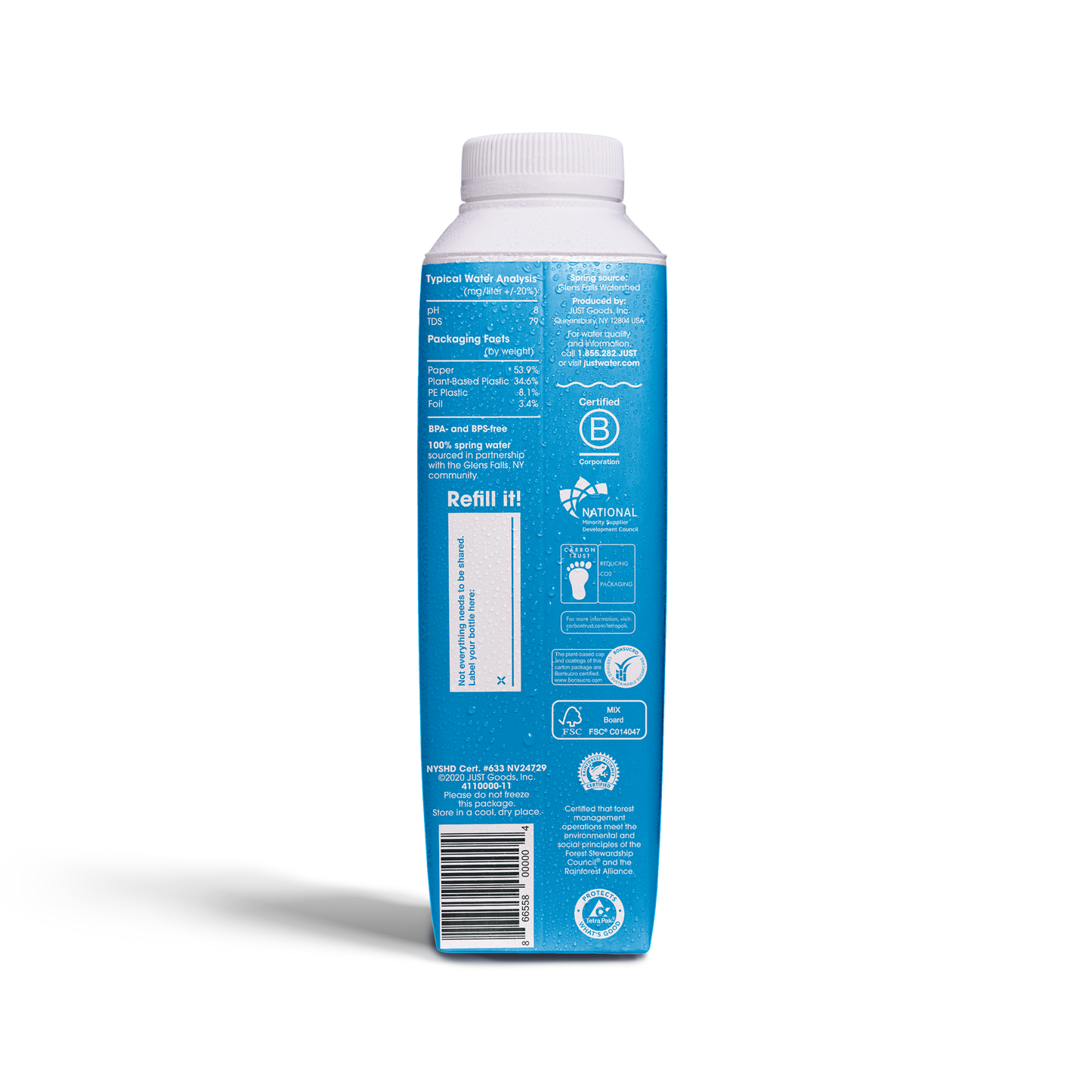
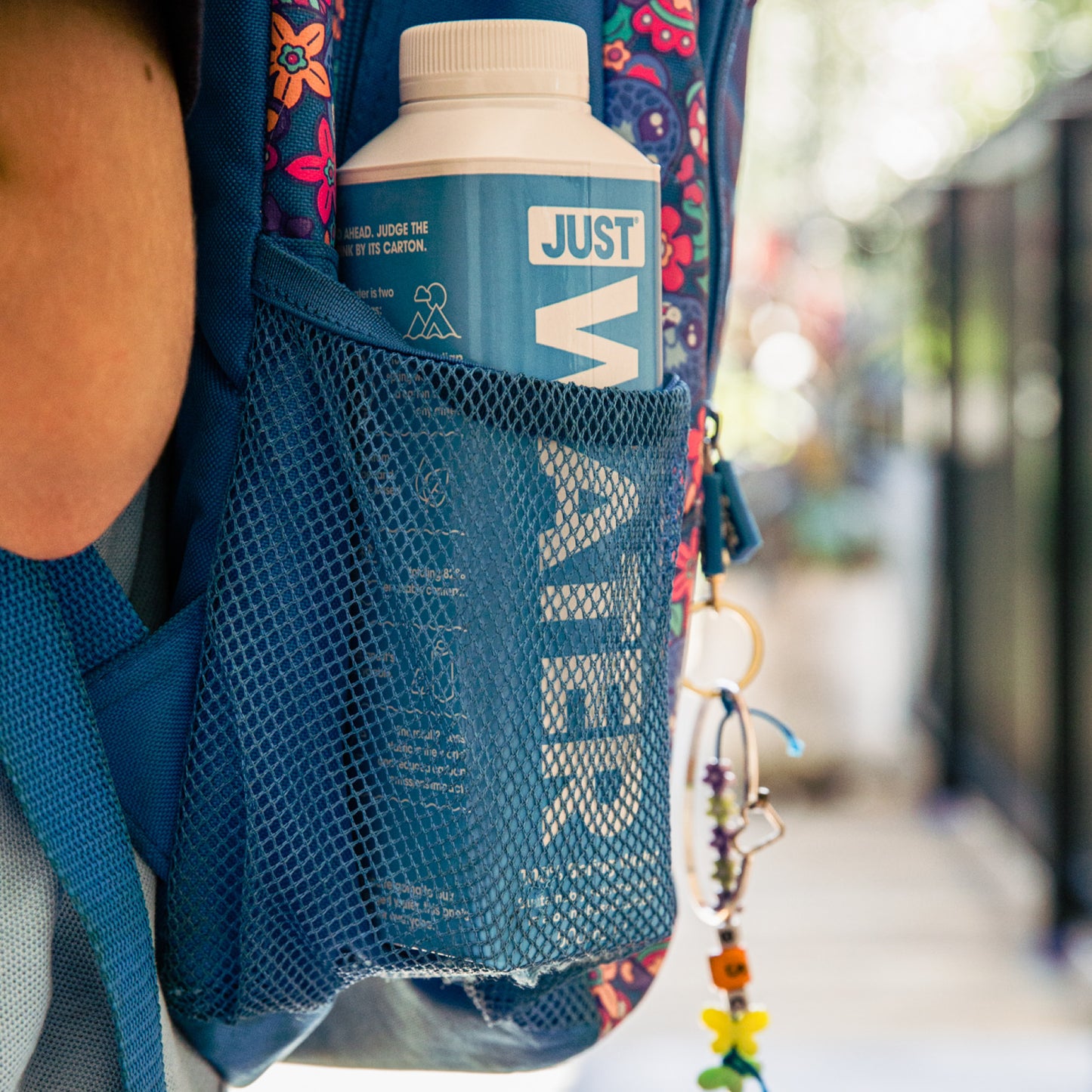
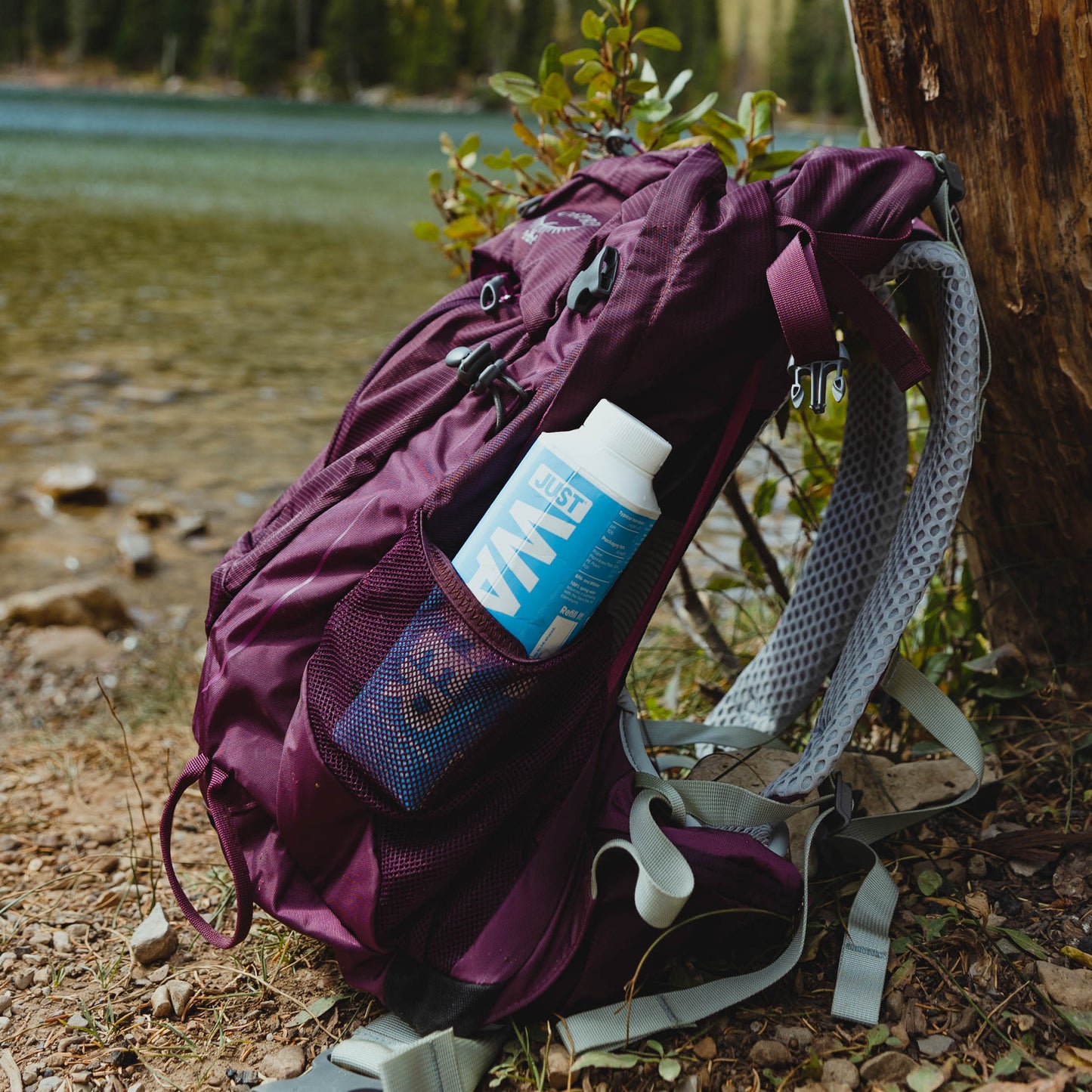
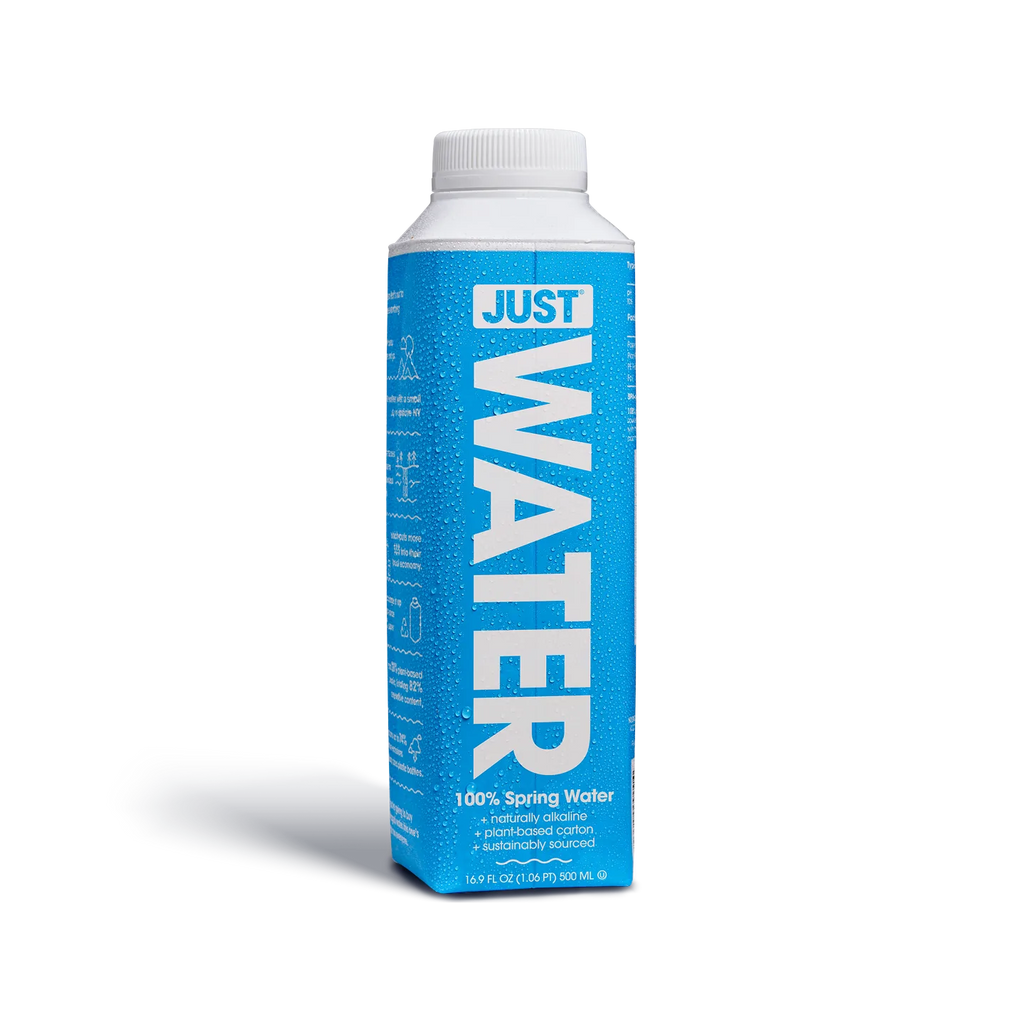
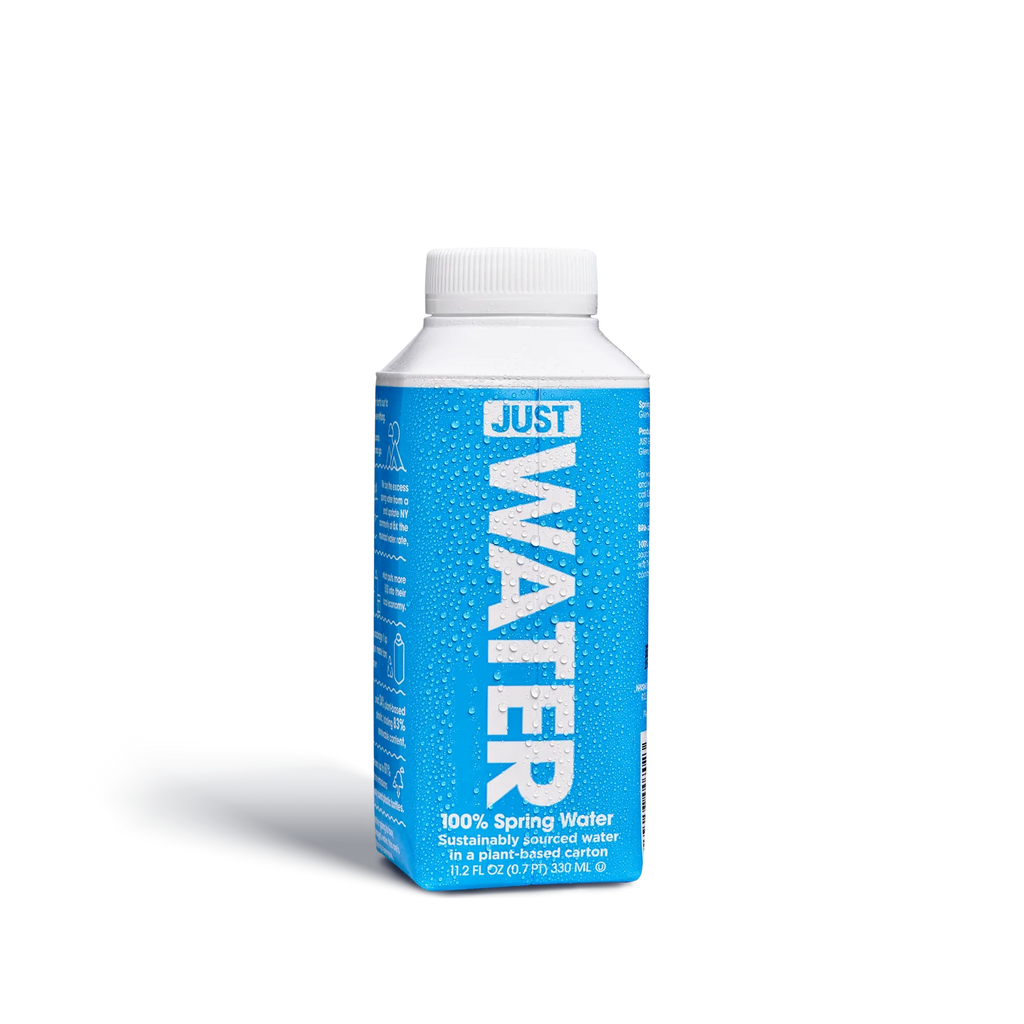
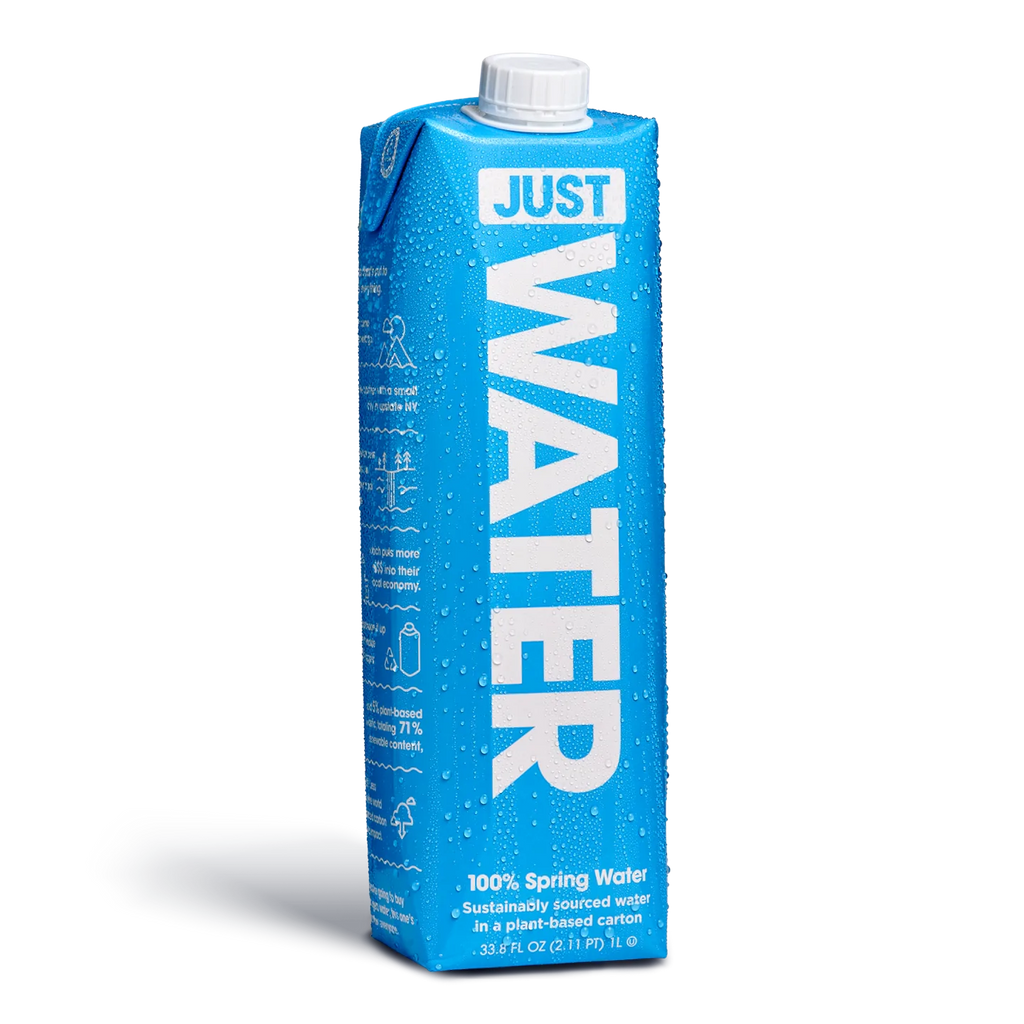
At JUST, our water comes from a natural spring in Glacier, Washington, not a municipal line. It's minimally processed, not stripped down and reconstituted with a mineral packet. And instead of putting it in a plastic bottle, we package it in a paper-based carton made mostly from renewable materials, designed to have a smaller footprint than plastic bottles from source to recycling bin.
The Takeaway
The next time you're deciding what to grab before a workout, a flight, or just a long day, it's worth asking two simple questions: Where does this water actually come from, and what is it sitting in? For a lot of plastic bottled water, the honest answer to the first question is "your local water treatment plant," and the answer to the second is "a plastic bottle that may be shedding microplastics into it." Neither is exactly the premium experience the marketing promises.
Reading the fine print pays off. So does choosing water that's honest about where it comes from.
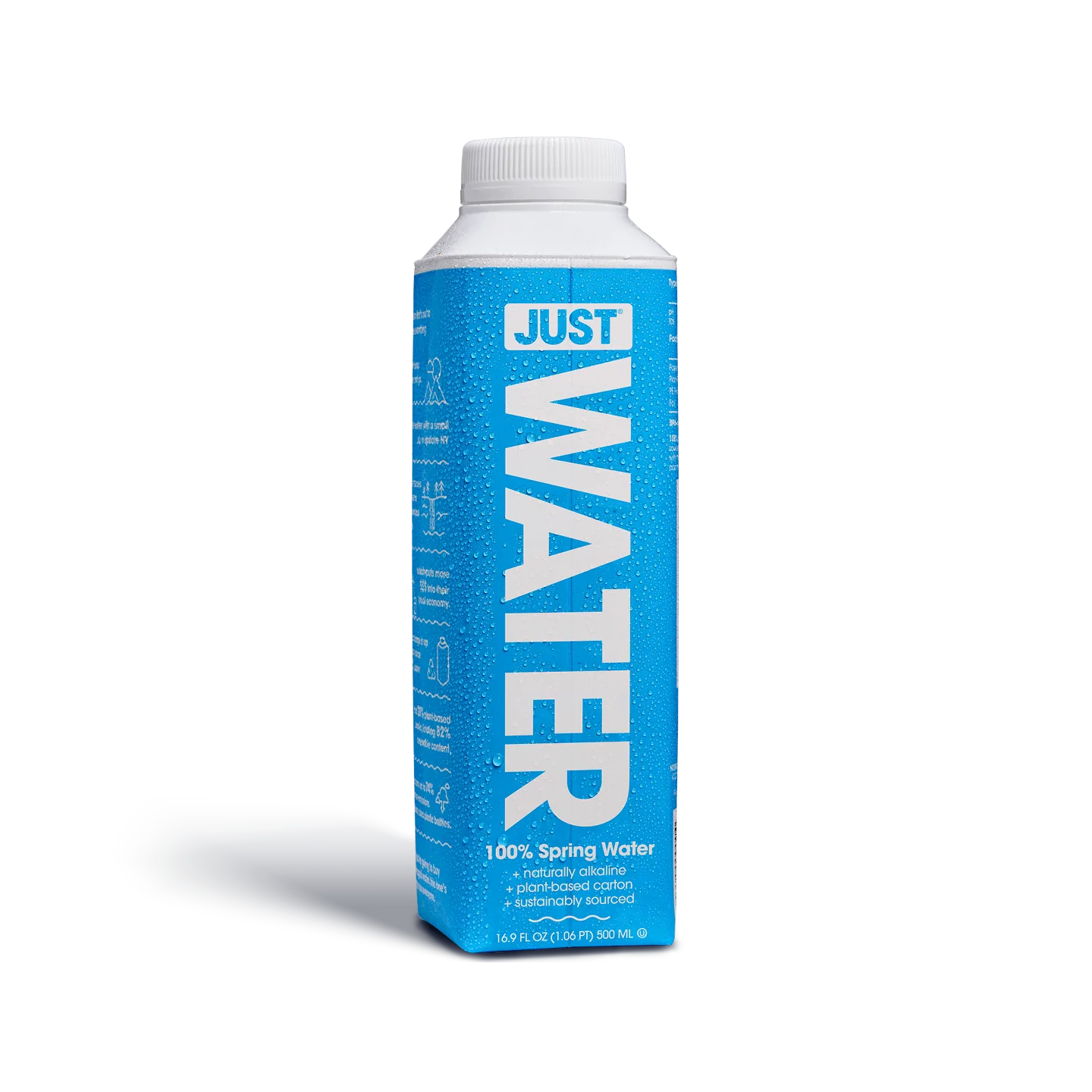
JUST WATER
Spring Water -- 16.9 fl oz | 24 Pack