
THE LINK BETWEEN HORMONE HEALTH AND HYDRATION
Written by Just Water
We typically talk about hydration in terms of energy levels, skin health, or athletic performance. But did you know there's a silent, complicated system working behind the scenes that ebbs and flows (literally) based on a rainbow of variable, including our hydration levels? The endocrine system has entered the group chat.
Understanding the link between hydration and hormone health is key to striking that highly sought after homeostasis, along with every wellness warrior, are constantly chasing after.
If you've been trying to get to the bottom of how you can achieve this seemingly mythical state of internal balance, here's your invitation to the house of hormones.
The Master Regulator: Why Water Matters
Think of the endocrine system as a mail station, sending mail trucks to deliver messages to specific recipients out into the world to be delivered to specific recipients for a specific purpose. Whether it's a birthday card, a new pair of shoes, or ran electricity bill, that mail represents our hormones, the mail station is the hypothalamus (our master gland), and the mail trucks make up the rest of the endocrine glands in our system, sending out the hormones we need to function. From metabolism and mood to sleep cycles and stress responses, our hormones play a key role in the way we feel, the way we act, and our general well-being.
If we stick with our mail analogy, we can think about water as the fuel that propels our mail trucks (aka, our glands). Water acts as the primary transportation system for these messengers. Without proper hydration, our internal mail trucks, the body struggles to deliver hormones to their target organs. Even more importantly, dehydration hinders the body’s ability to clear out "spent" hormones, which can lead to systemic imbalances.
1. Managing Cortisol and the Stress Response
When our body is dehydrated, it registers the lack of fluid as a physiological threat. This then sends alarm bells to the adrenal glands, triggering the release of cortisol, the primary stress hormone. Let's break it down:
The Cycle: Dehydration creates physiological stress; stress, in turn, can cause further dehydration through increased heart rate and respiration. Think heart pounding, heavy breathing.
The Impact: Chronic high levels of cortisol can lead to disrupted sleep, "brain fog," and water weight retention.
The Solution: Consistent hydration helps signal to the nervous system that the body is in a safe, "rest and digest" state.
2. Blood Sugar Stability and Insulin
Hydration plays a major role in how the body processes' glucose. When water levels are low, the concentration of sugar in the bloodstream increases. This triggers the pancreas to work overtime to produce insulin to manage those levels. Over time, chronic dehydration can contribute to decreased insulin sensitivity, which is link to a host of long term health complications. By maintaining a healthy blood volume by committing to a proper fluid intake, we set our system up for efficient sugar processing.
3. Hormonal Detox and Estrogen Balance
For reproductive health, hydration is essential for the liver and kidneys to filter out excess hormones. For example, if the body can't properly flush out used estrogen through regular elimination, it can be reabsorbed into the bloodstream. This "estrogen dominance" is often linked to mood swings, bloating, and skin breakouts—some of the worst symptoms associated with what many women refer to as "that time of the month".
3 Tips to Hydrate for Hormone Harmony
- Prioritize a "Morning Flush": Drink 8–12 oz of mineral-rich water immediately upon waking. This replenishes fluids lost during sleep and helps lower the natural cortisol spike that occurs in the morning.
- Seek Out Naturally Occurring Minerals: Hormonal signaling relies on electrolytes like magnesium, calcium, and potassium. Opt for water that retains its natural mineral content rather than highly processed or distilled options.
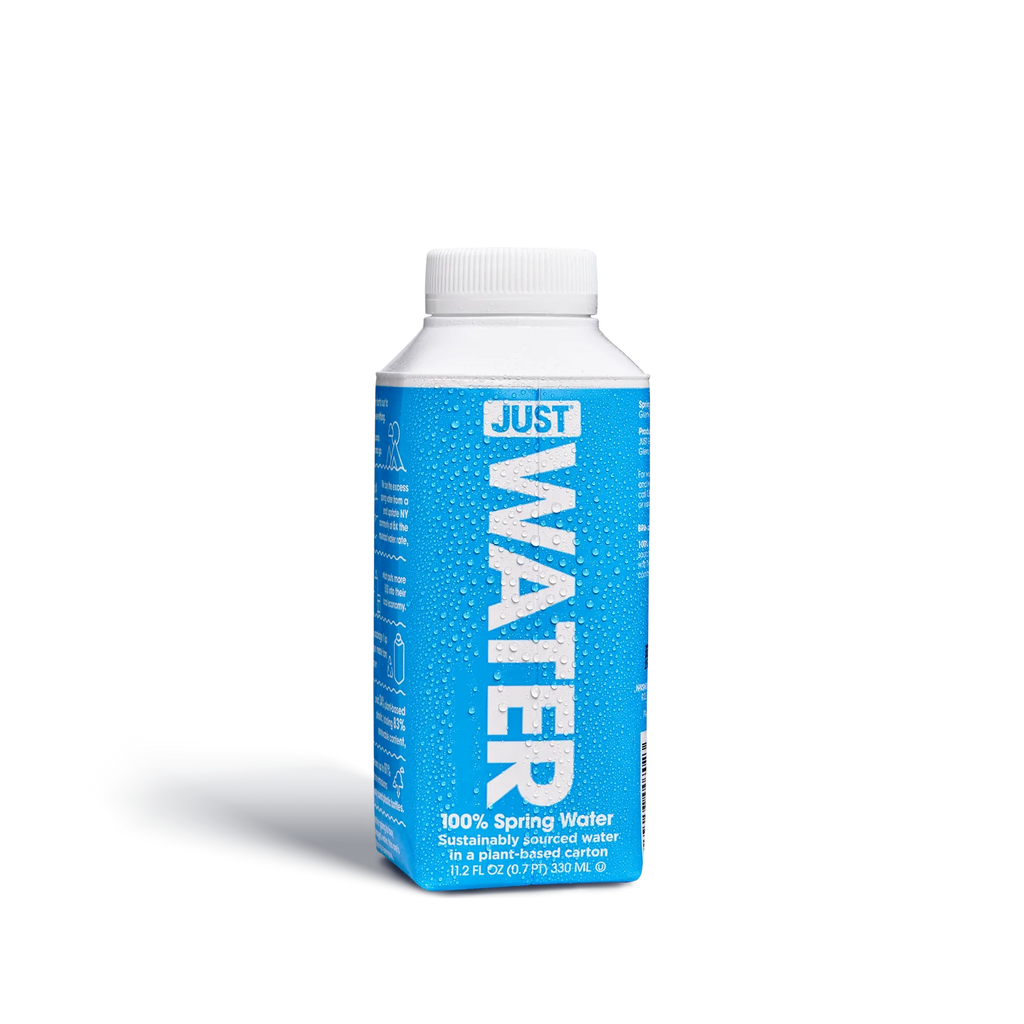
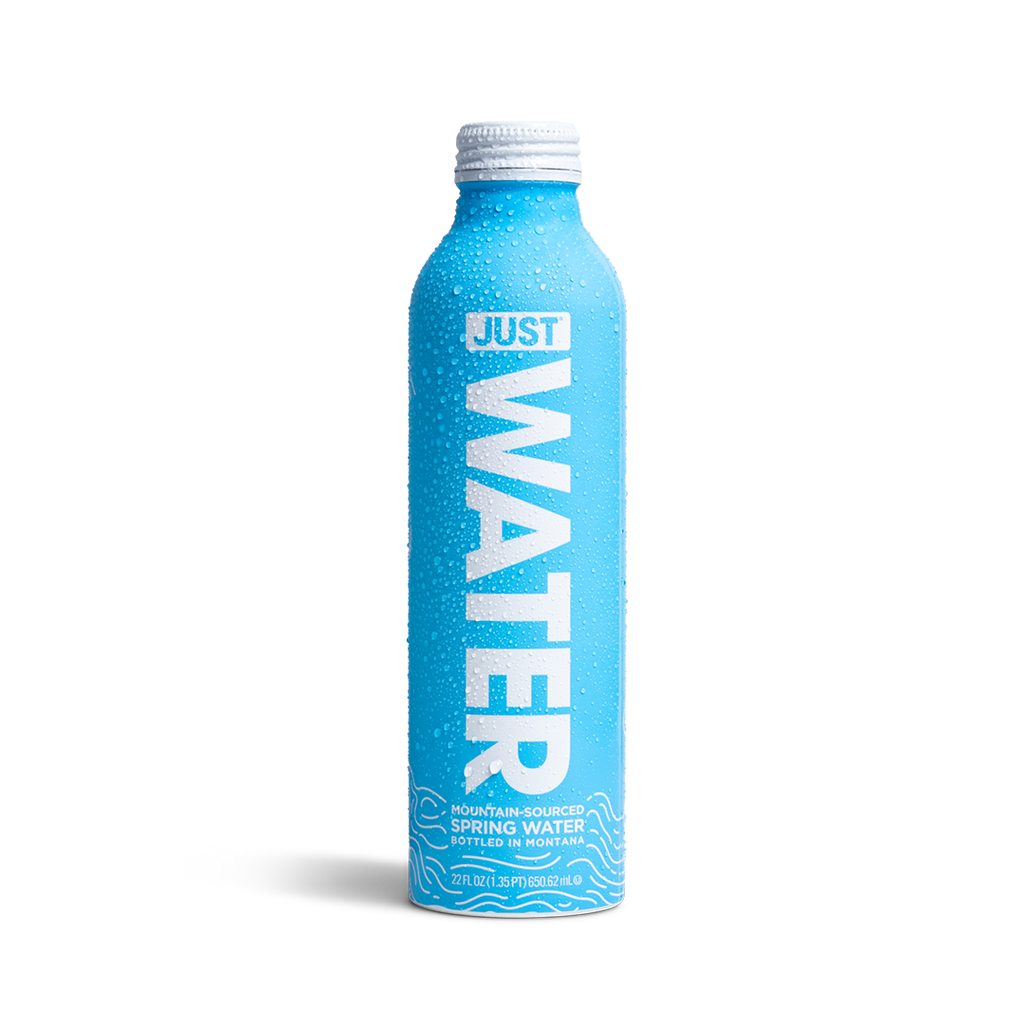
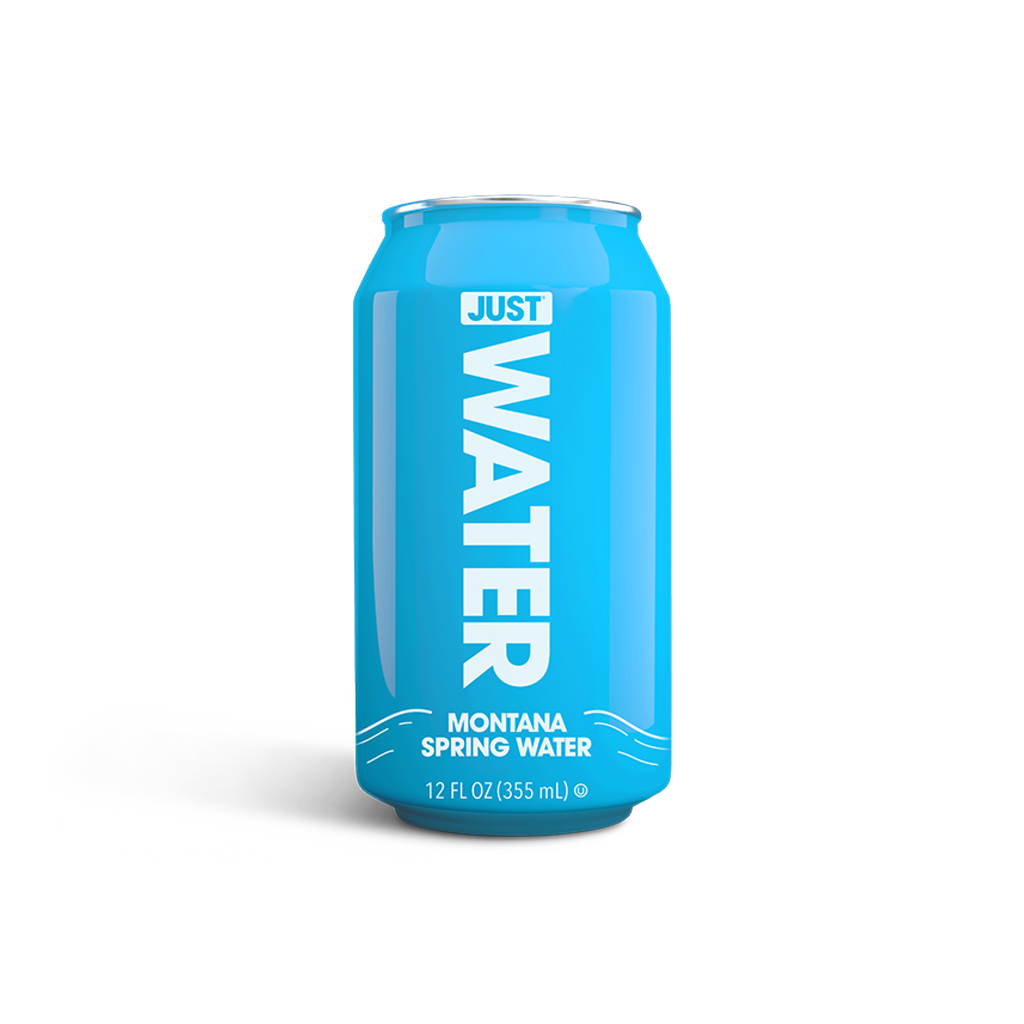
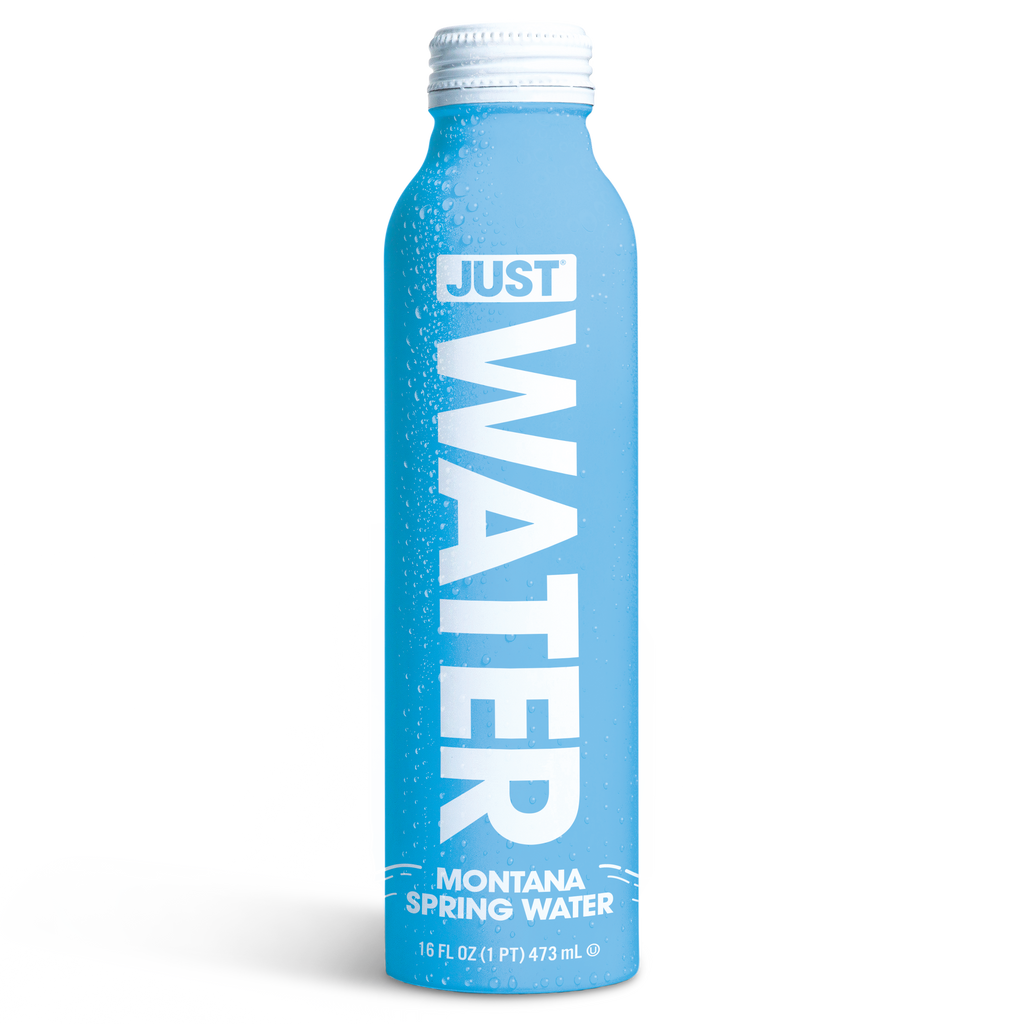
- Transition Away from Petroleum Plastics: To protect the endocrine system from chemical interference, avoid plastic packaged water as often as possible.
Feel Good, Fuel Good
Hormones thrive on stability and balance. Choosing clean, high-quality water and prioritizing consistent hydration practices, the endocrine system will have the tools it needs to remain in a state of feel good flow. Cheers to choosing to feel good & fuel good!
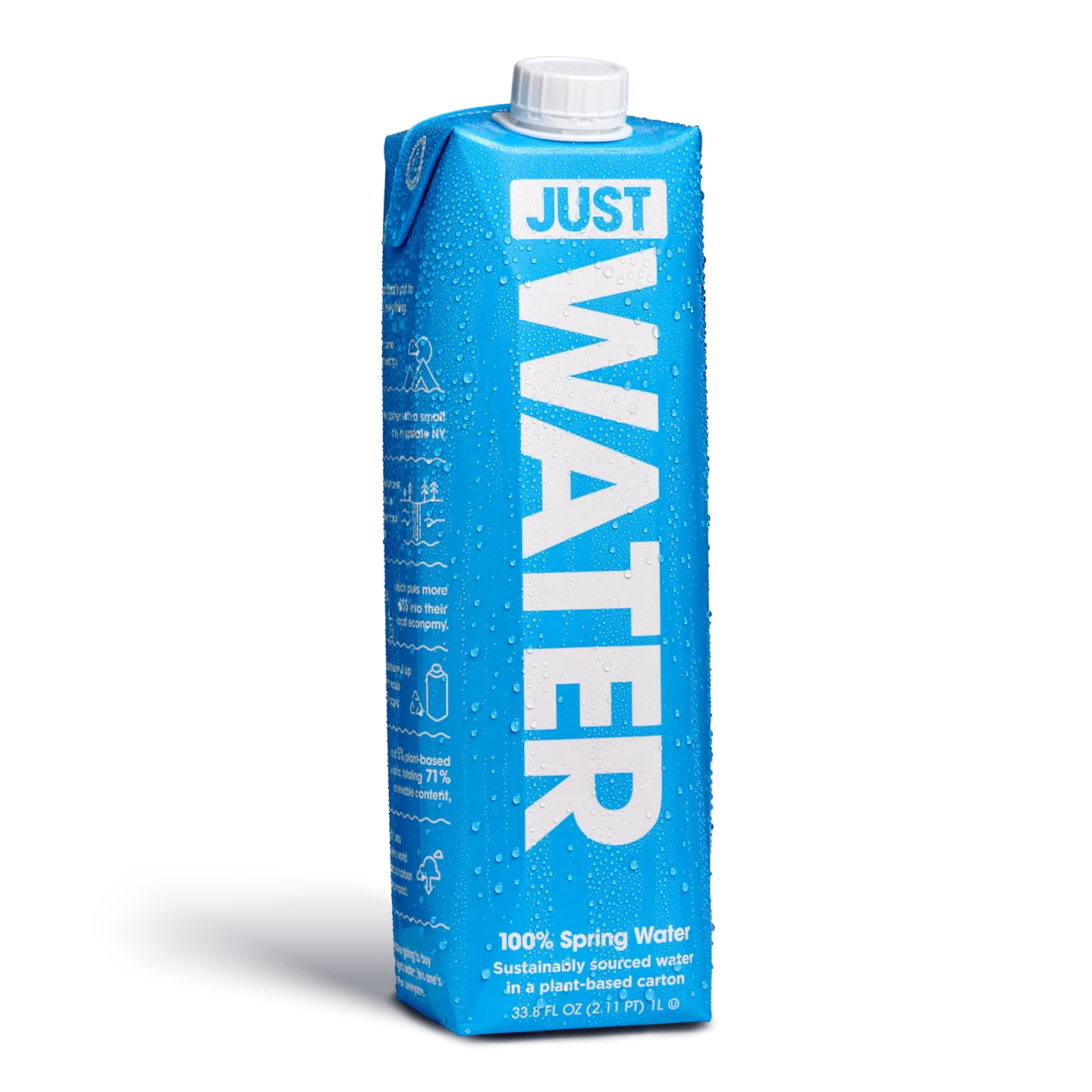
JUST
Spring Water -- 1 Liter | 12 Pack