
HOW TO ACTUALLY ACHIEVE A NEW YEAR’S RESOLUTION GOAL
Written by Just Water
Ah, January 1st. The day we all collectively decide that we are going to become marathon-running, kale-massaging, 5:00 AM-waking versions of ourselves. We make these grand, sweeping declarations because, psychologically, we love a “Fresh Start.” According to research on the Fresh Start Effect (Milkman et al., 2014), temporal landmarks like the New Year act as a “reset button” for our self-image. We distance ourselves from our past failures and feel more motivated to pursue our aspirations. But here’s the kicker: by the second week of February, roughly 80% of those resolutions have hit the curb faster than a holiday fruitcake.
Why? Because our brains aren't actually fans of "sweeping change." We’re wired for the path of least resistance. If you want a resolution that actually sticks, you don’t need more willpower—you need a better strategy.
The Psychology Behind Goal Setting (or Why You Keep Failing)
Human brains are weirdly wired for change. According to research from Dr. Gail Matthews, a psychology professor who studied goal-setting behaviors, people are 42% more likely to achieve their goals simply by writing them down and sharing them with someone else (Matthews, 2015).
But it’s not just about pen and paper. The trick lies in how you set your goals. Research highlights that specific, measurable, attainable, relevant, and timely (SMART) goals outperform vague, grand statements like “get healthy” or “drink more water”—because your brain loves clarity and wins small victories to stay motivated (Locke & Latham, 2002).
The Science of "Small"
The biggest mistake we make is thinking too big. If your goal is "get healthy," your brain has no idea what to do with that. It’s too vague, too heavy, and frankly, a little exhausting to think about.
Psychologists suggest that the key to lasting change is Micro-Habits. A study published in the British Journal of General Practice (Gardner et al., 2012) highlights that habits are formed through associative learning—repeating a simple action in a consistent context until it becomes automatic.
The Golden Rule: Make it so easy you can’t say no.
The "Drink More Water" Blueprint
Let’s take the classic resolution: "I want to drink more water." It’s a great goal, but "more" isn't a plan. Here is how you make it achievable using the psychology of habit formation:
1. Practice "Habit Stacking"
Don't try to remember to drink water out of thin air. Attach it to something you already do. This is called Habit Stacking (a concept popularized by James Clear and backed by behavioral science).
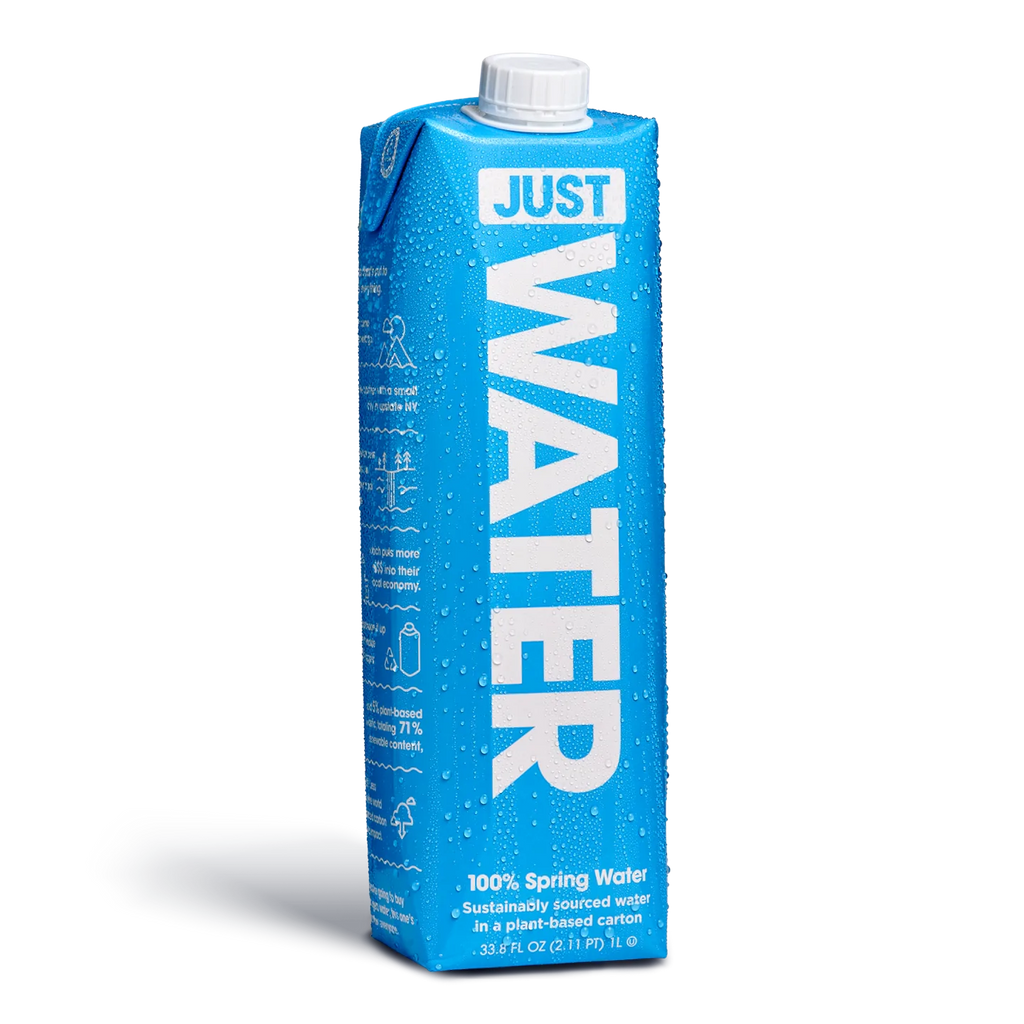
The Plan: "After I brush my teeth in the morning, I will drink one carton of water."
2. Reduce the Friction
The Law of Least Effort states that we gravitate toward the easiest option. If you have to walk to the kitchen, find a clean glass, and wait for the tap to get cold, you might just grab a soda instead.
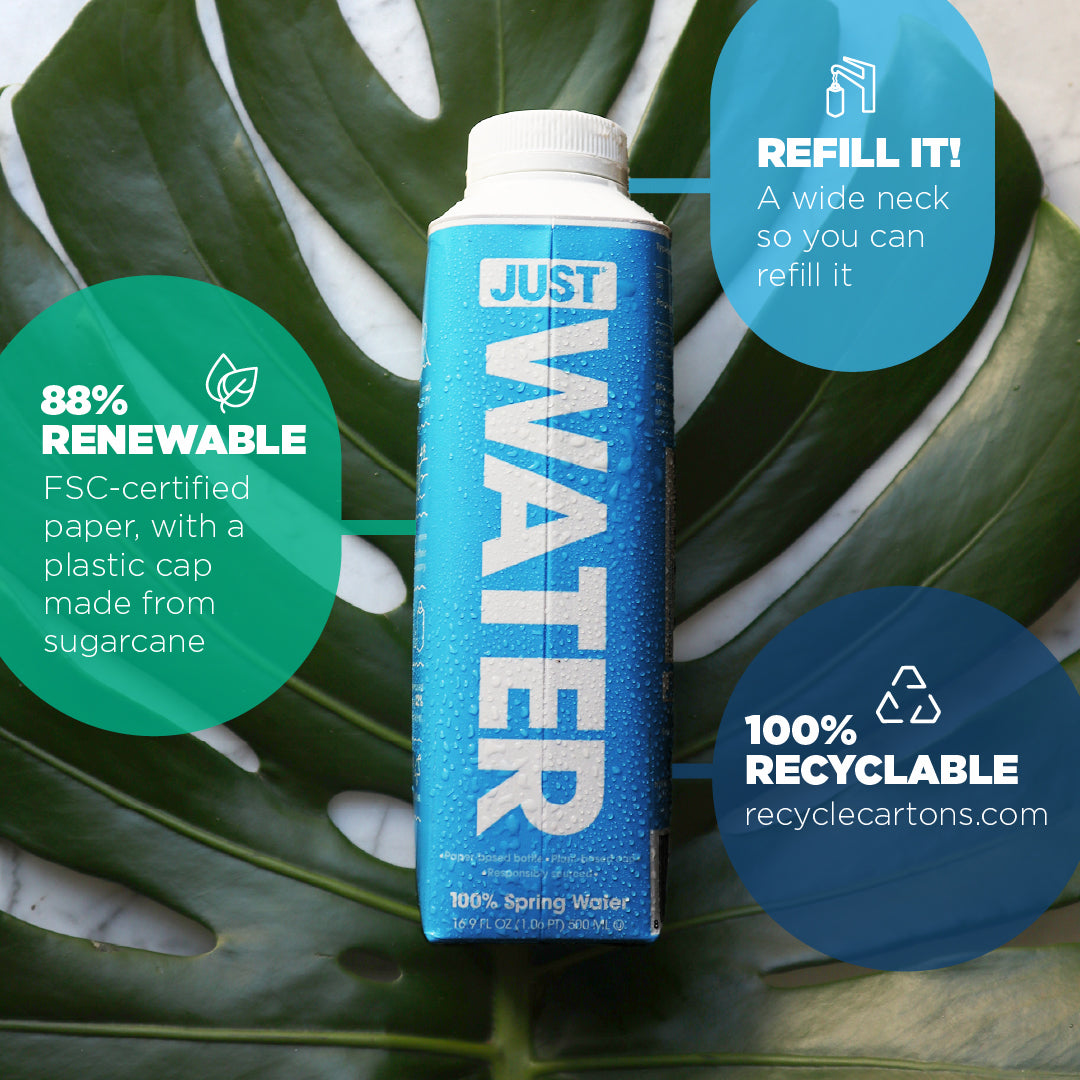
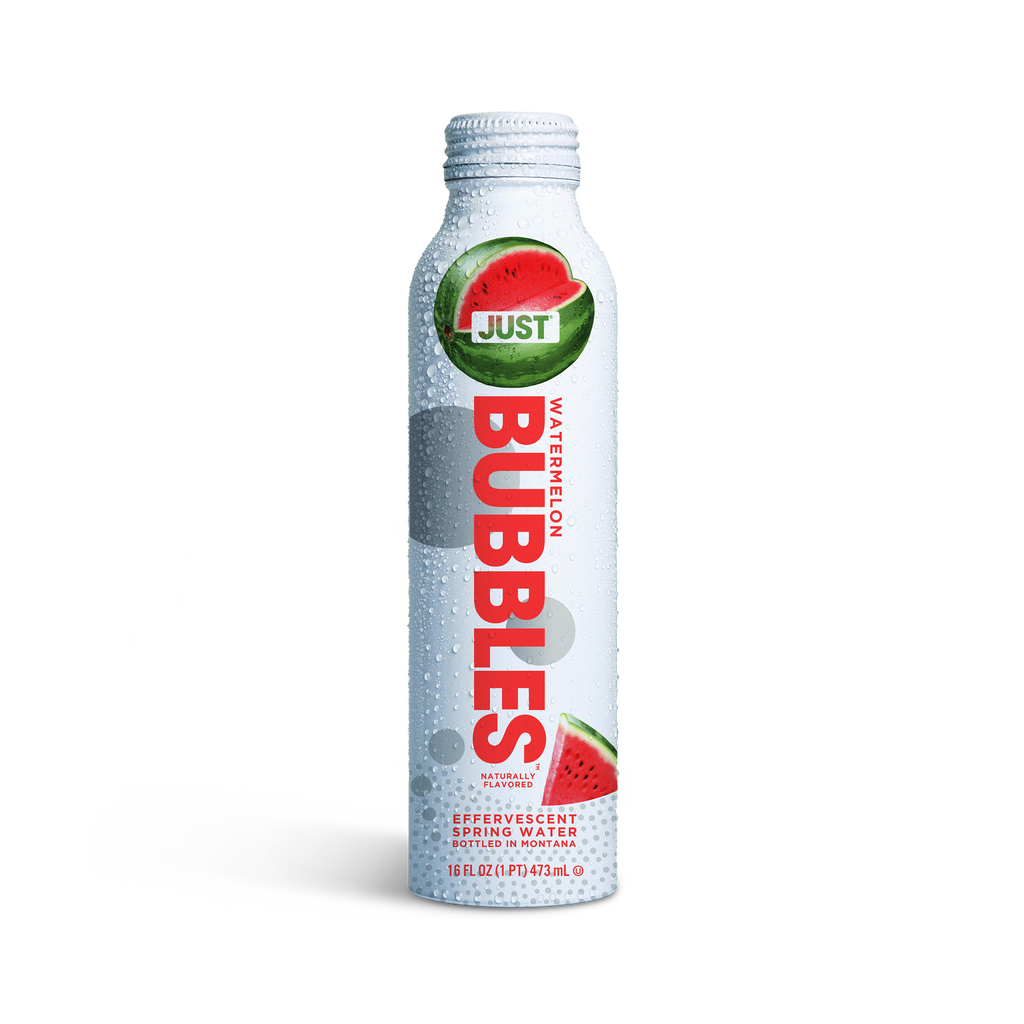
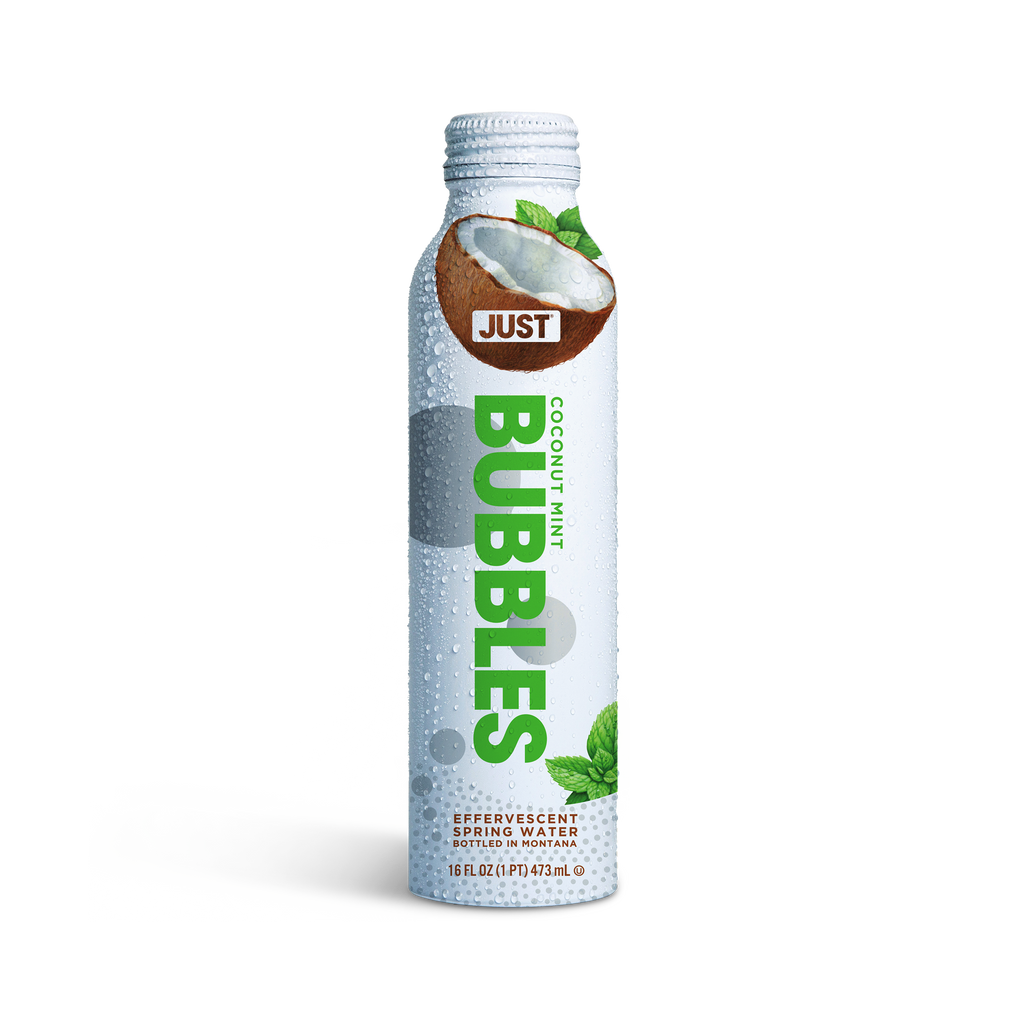
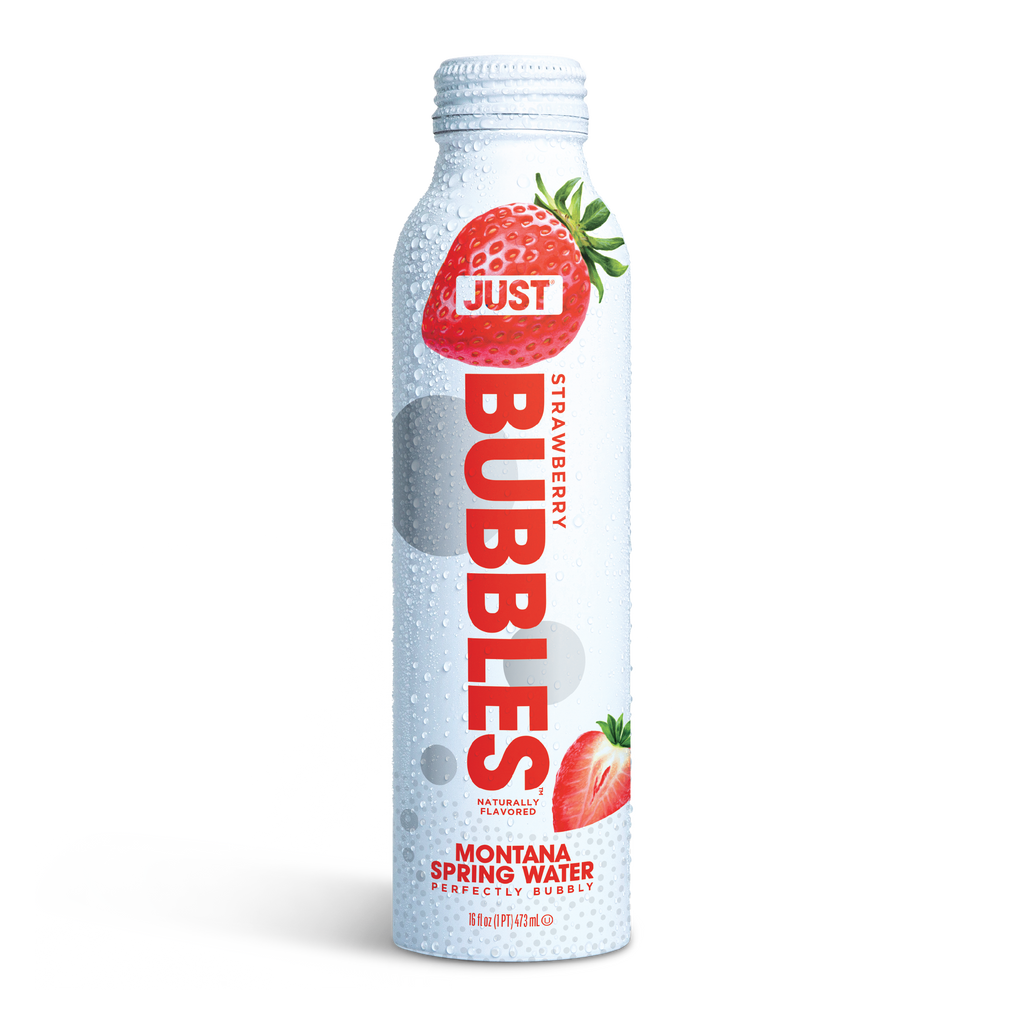
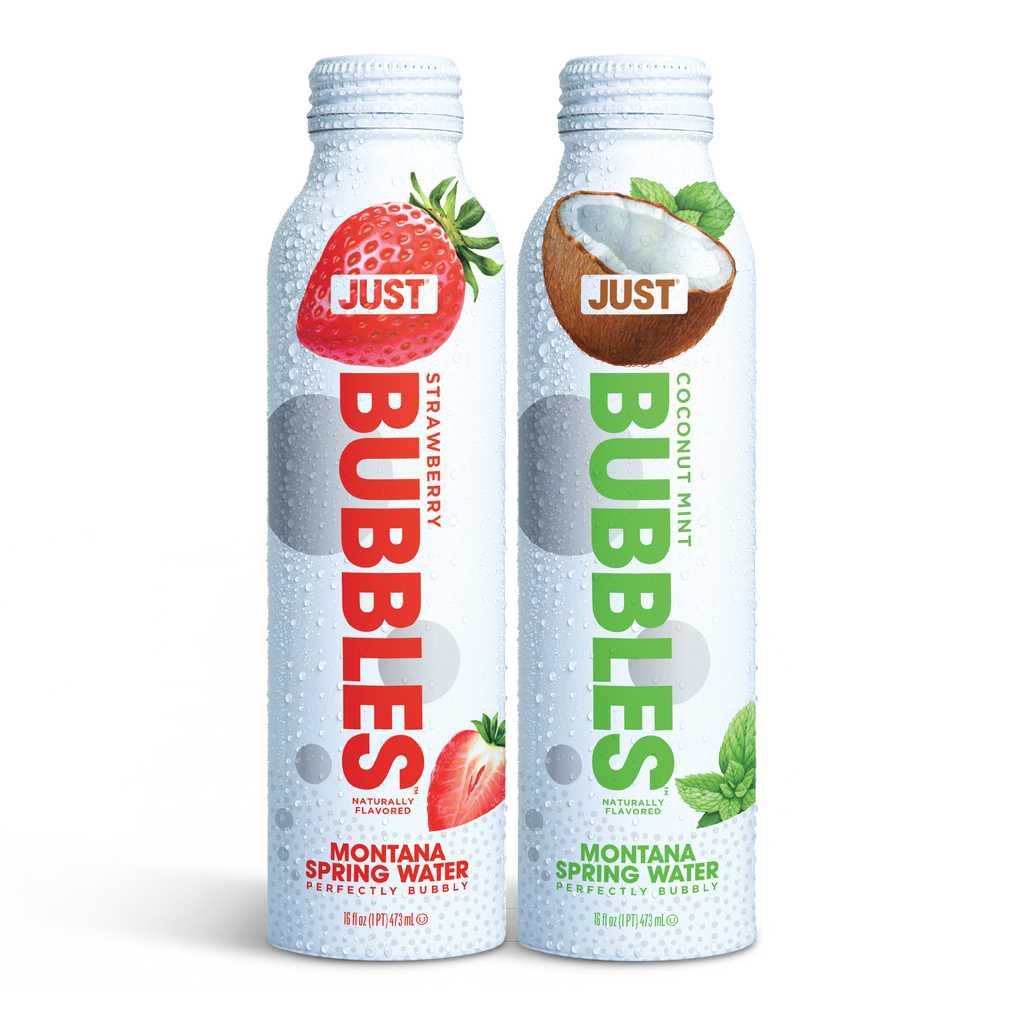
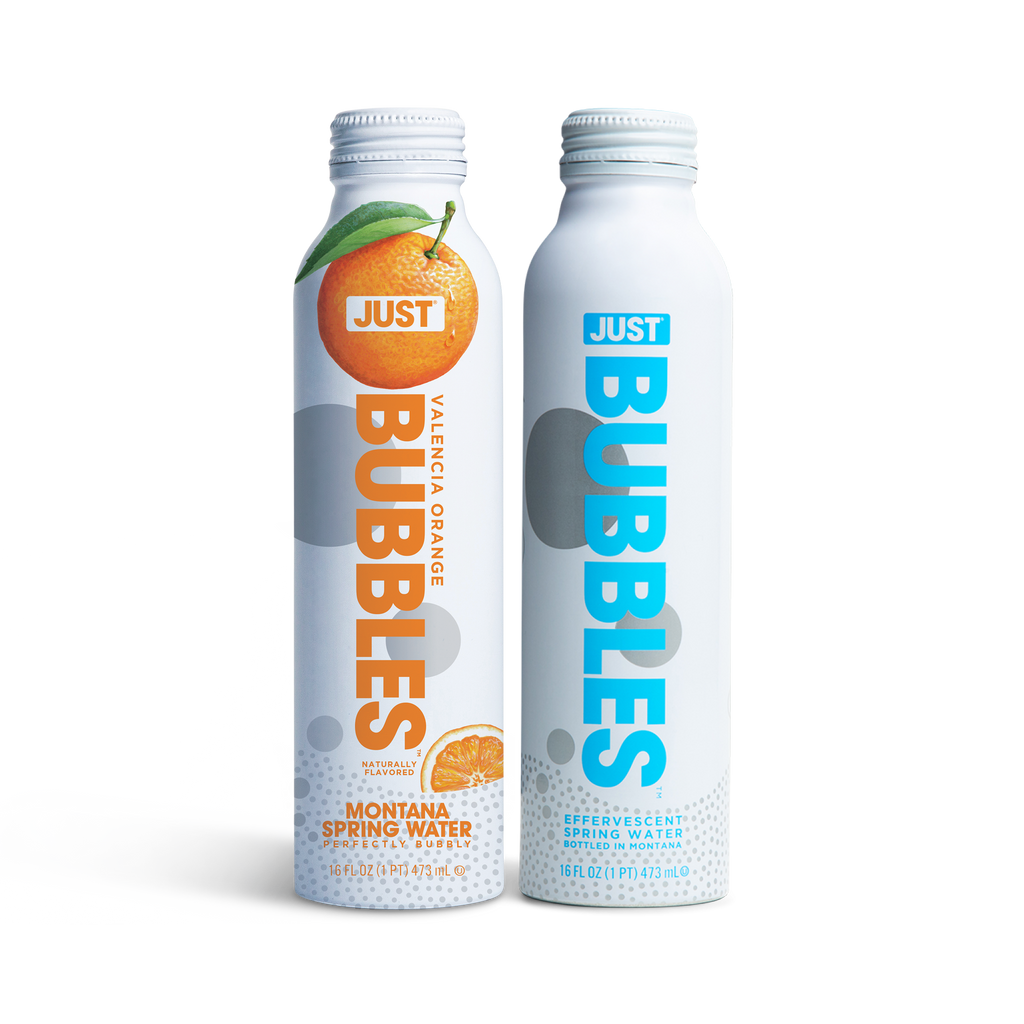
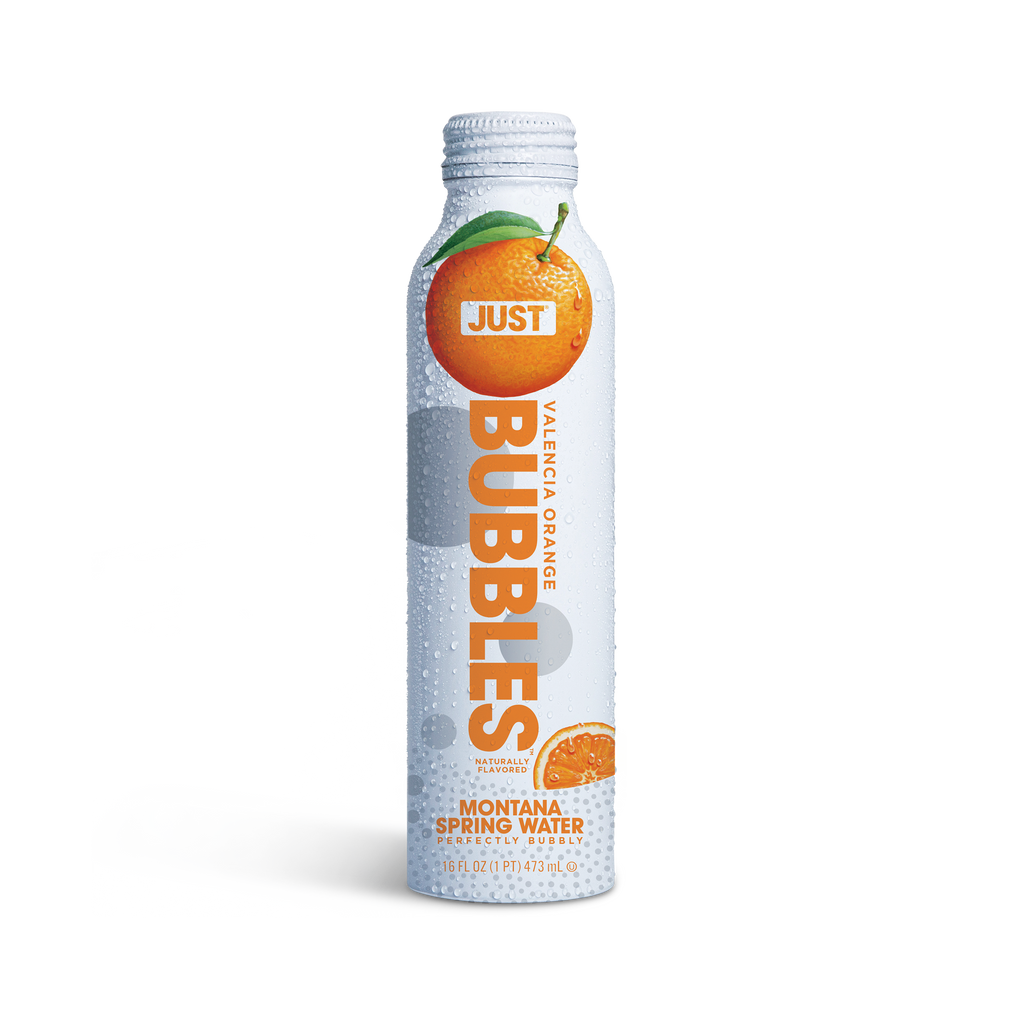
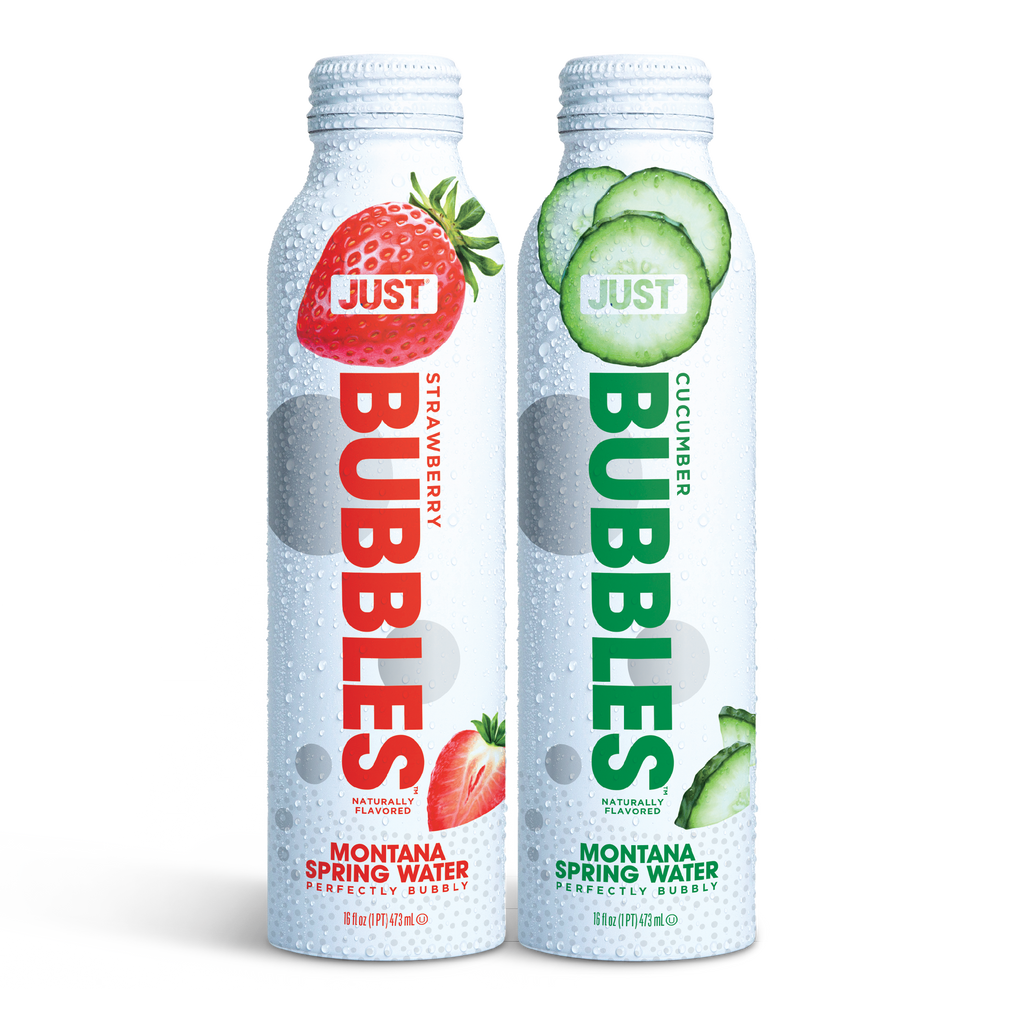
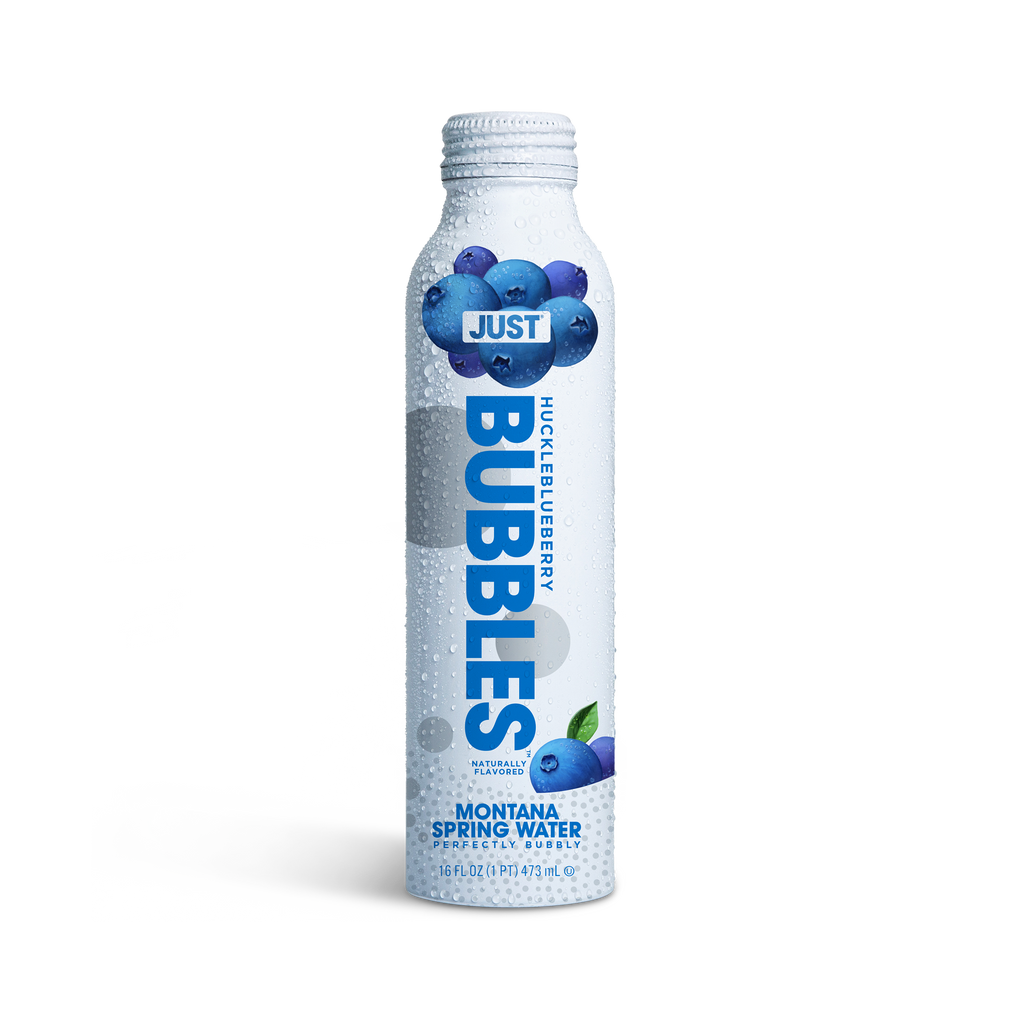
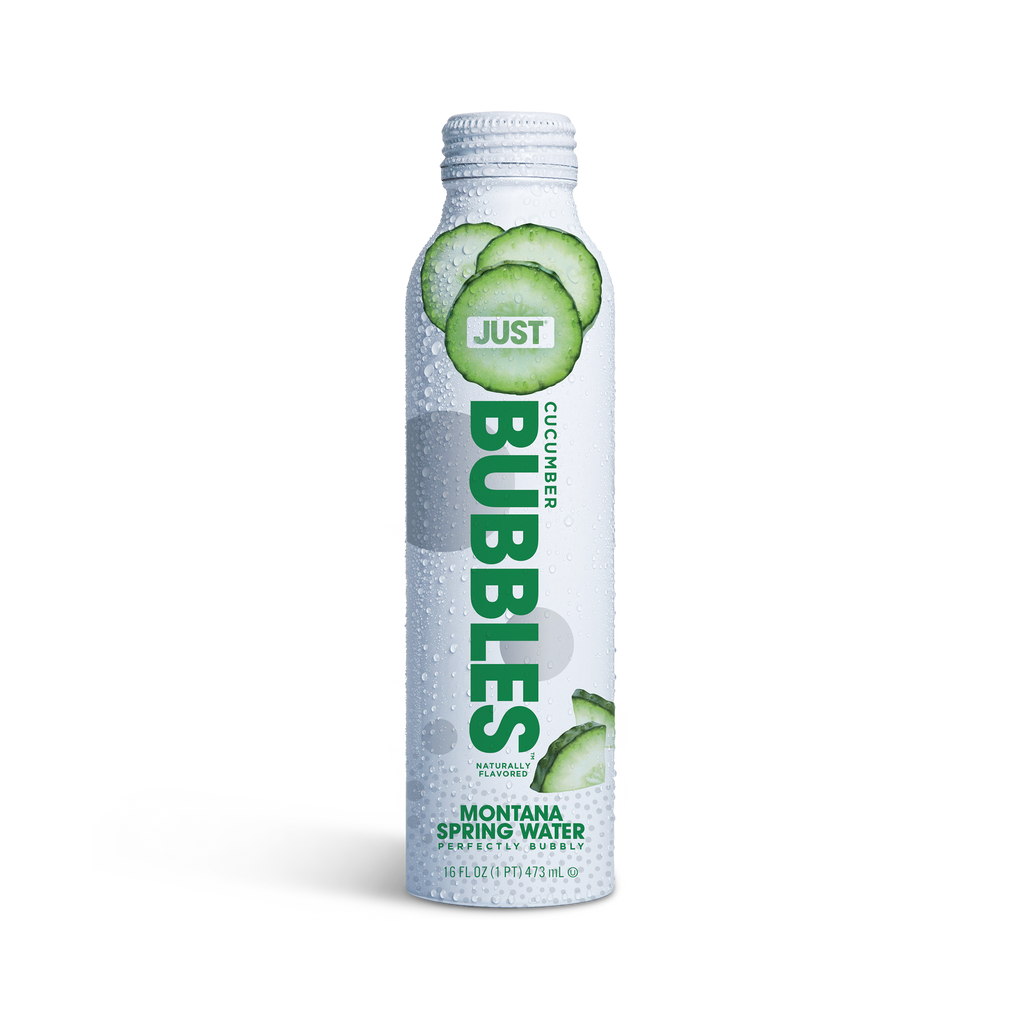
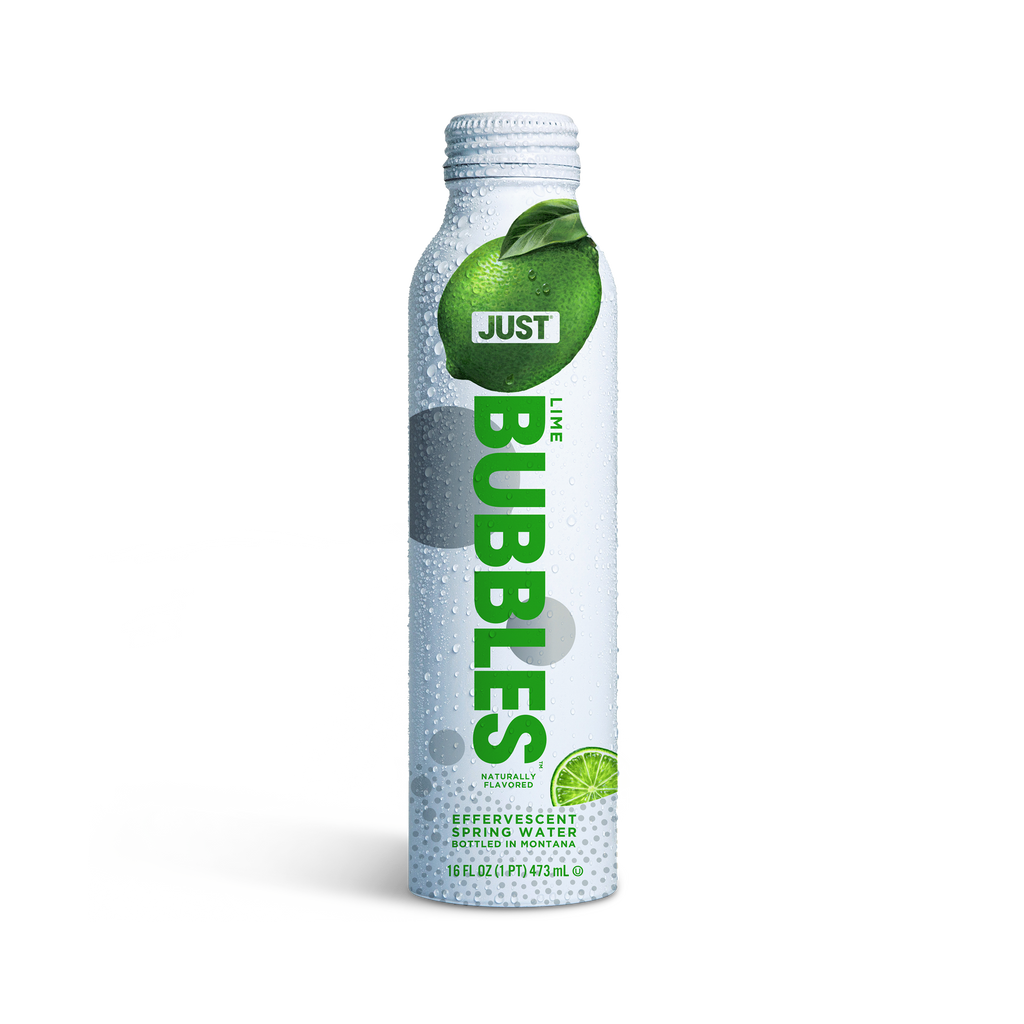
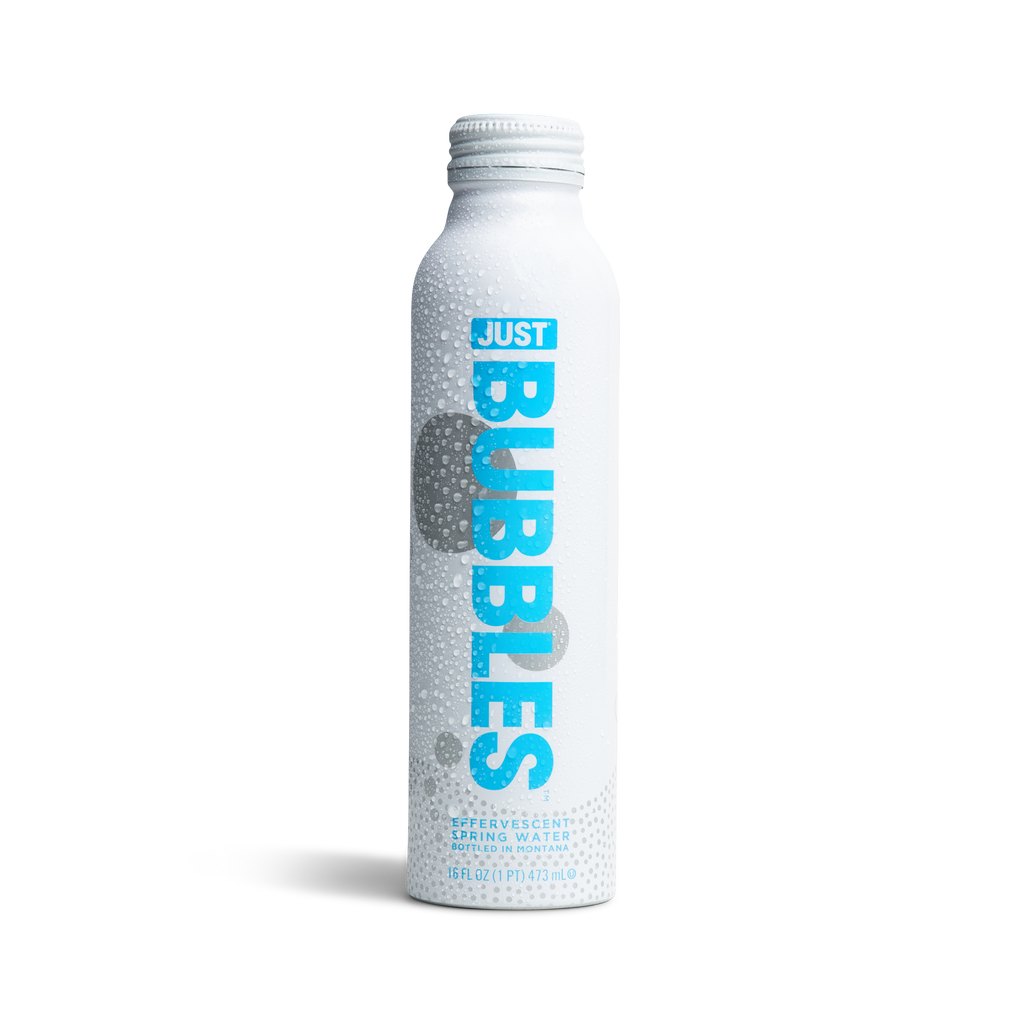
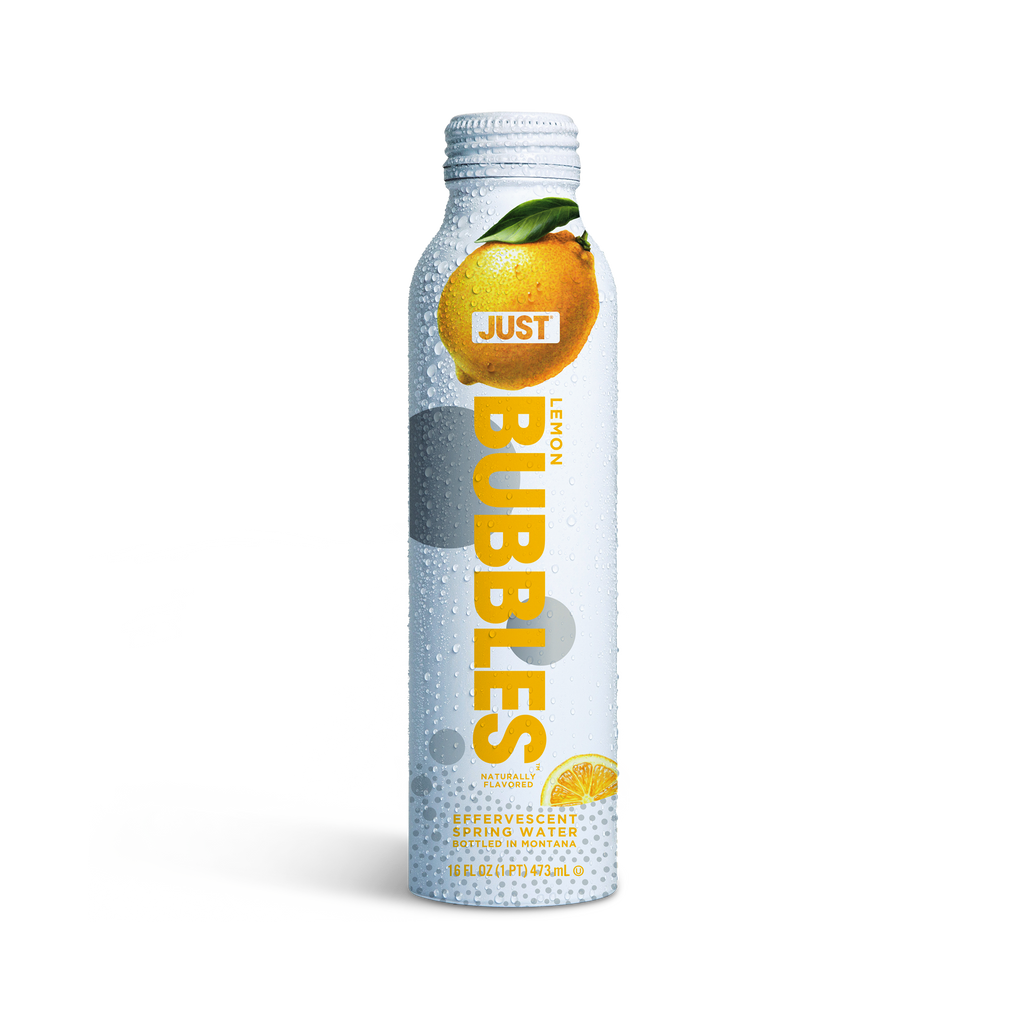
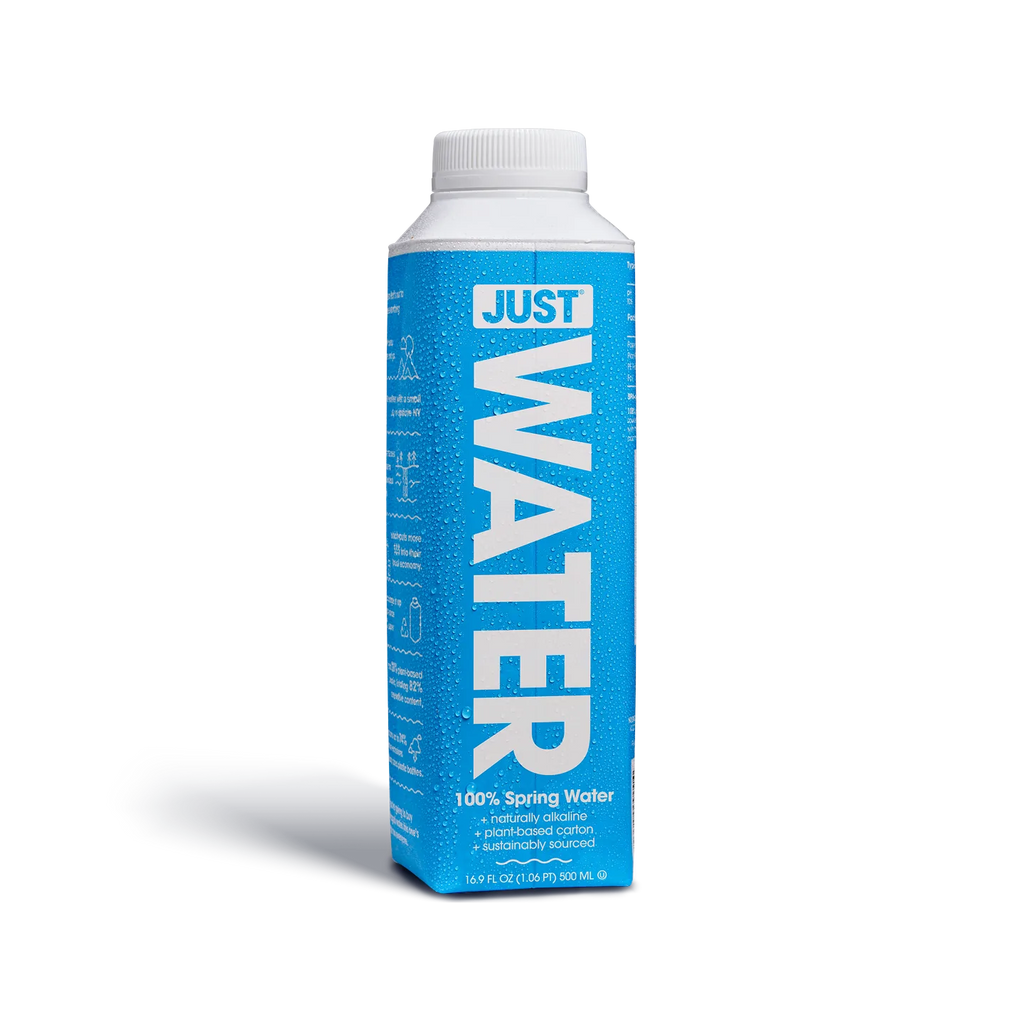
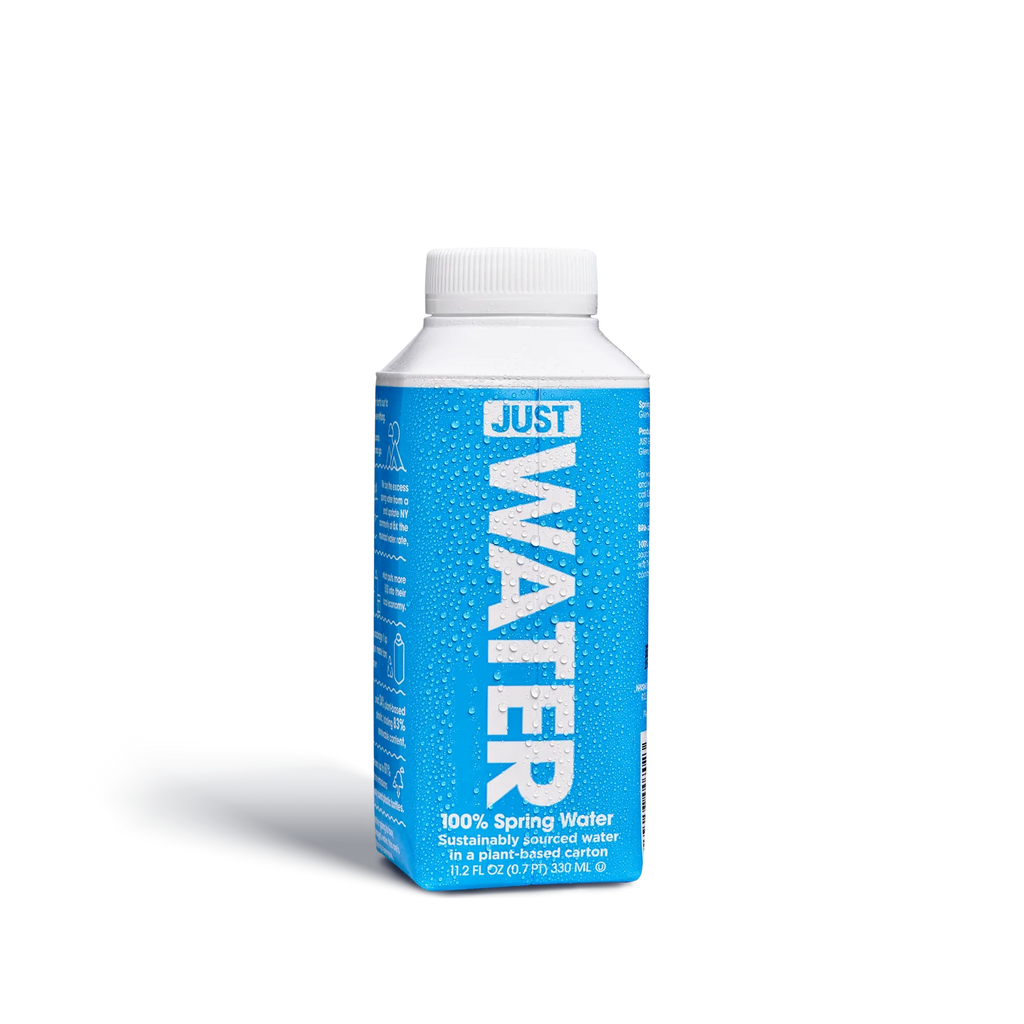
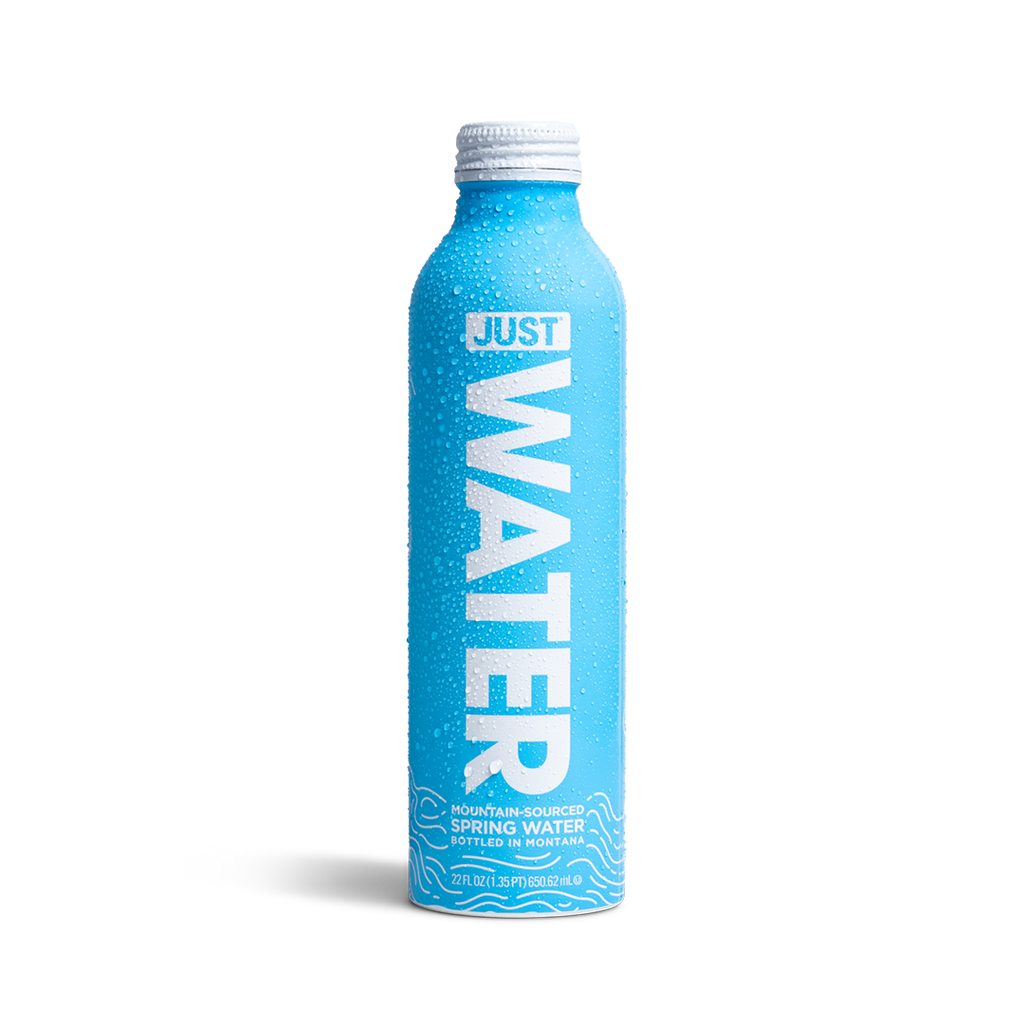
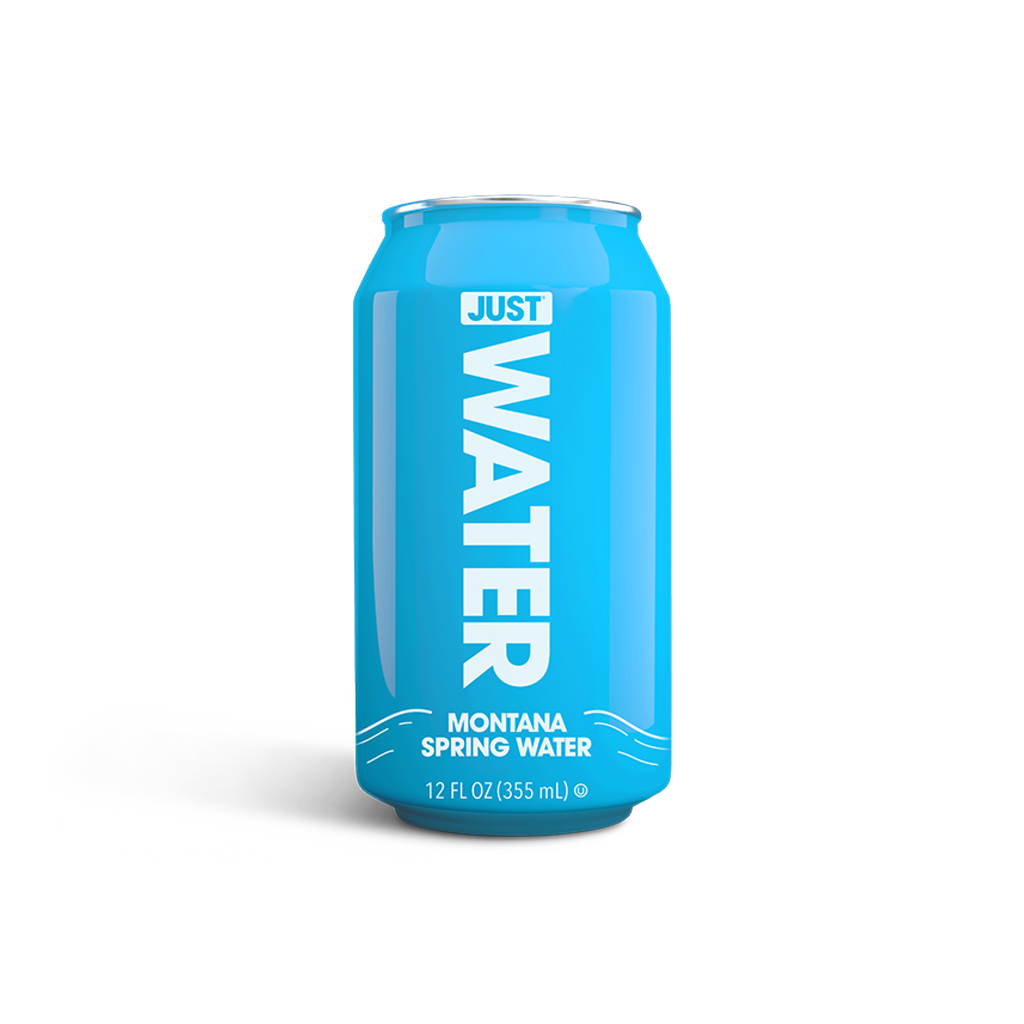
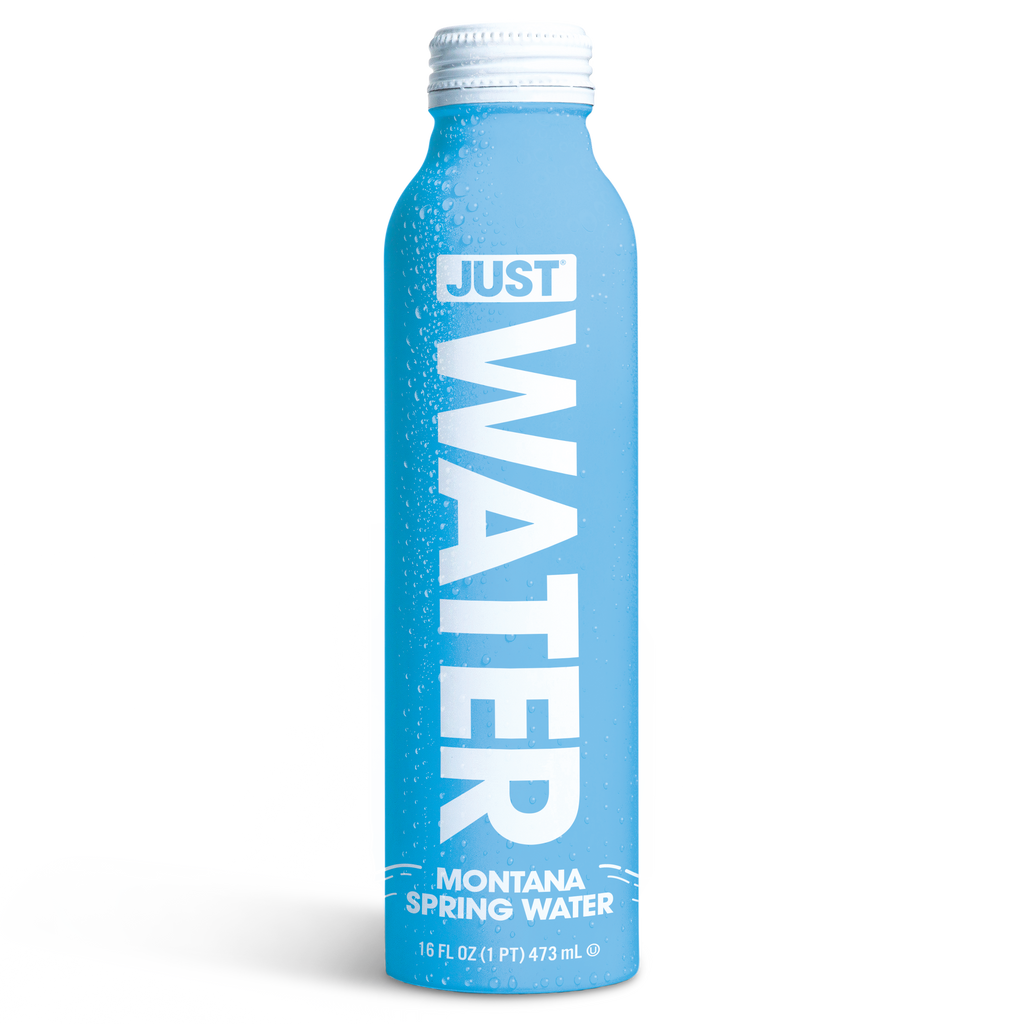
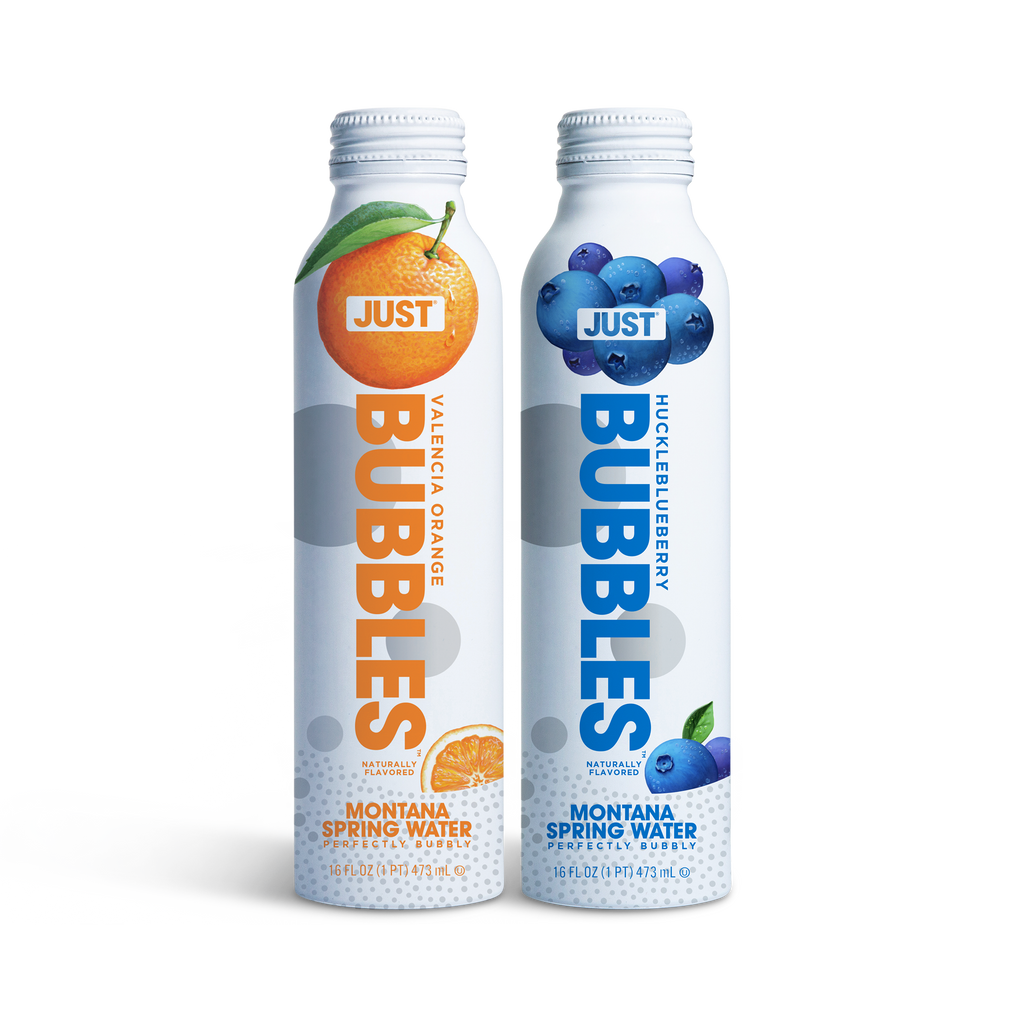
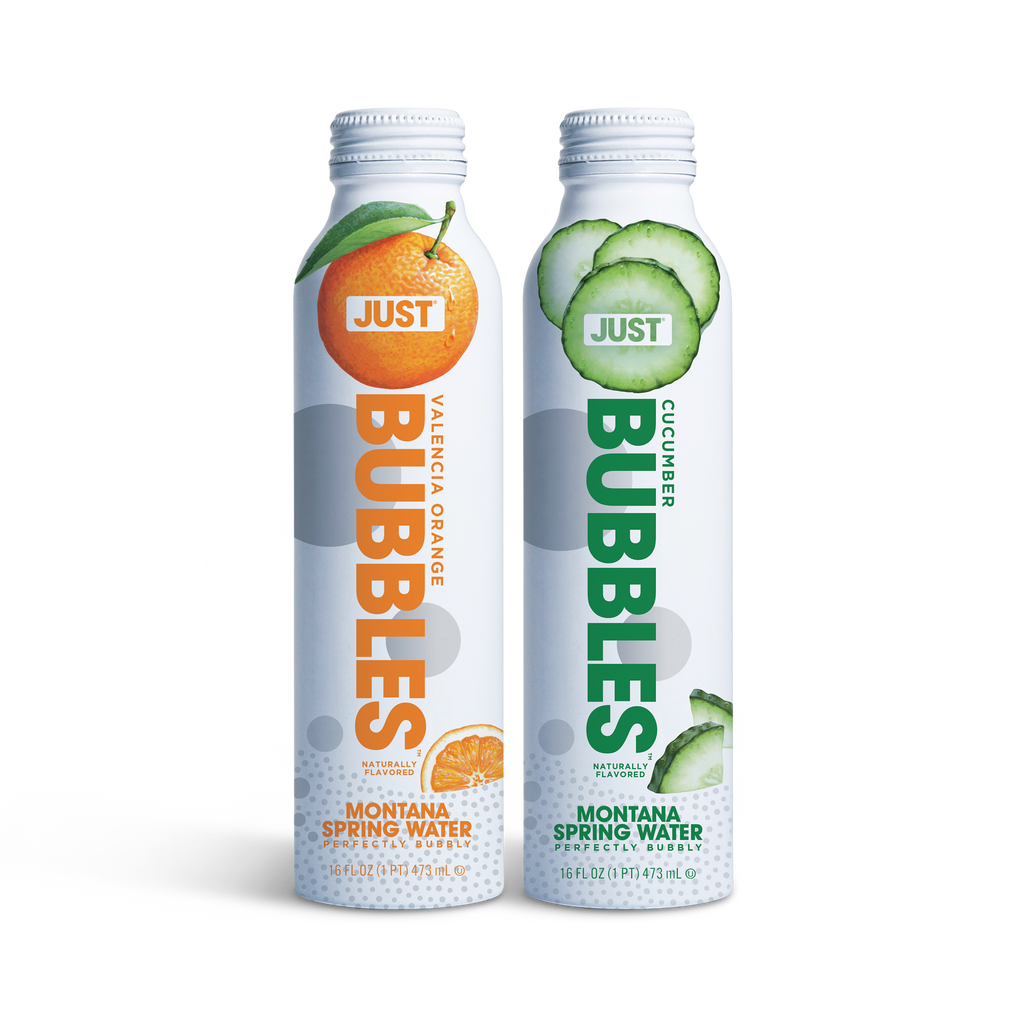
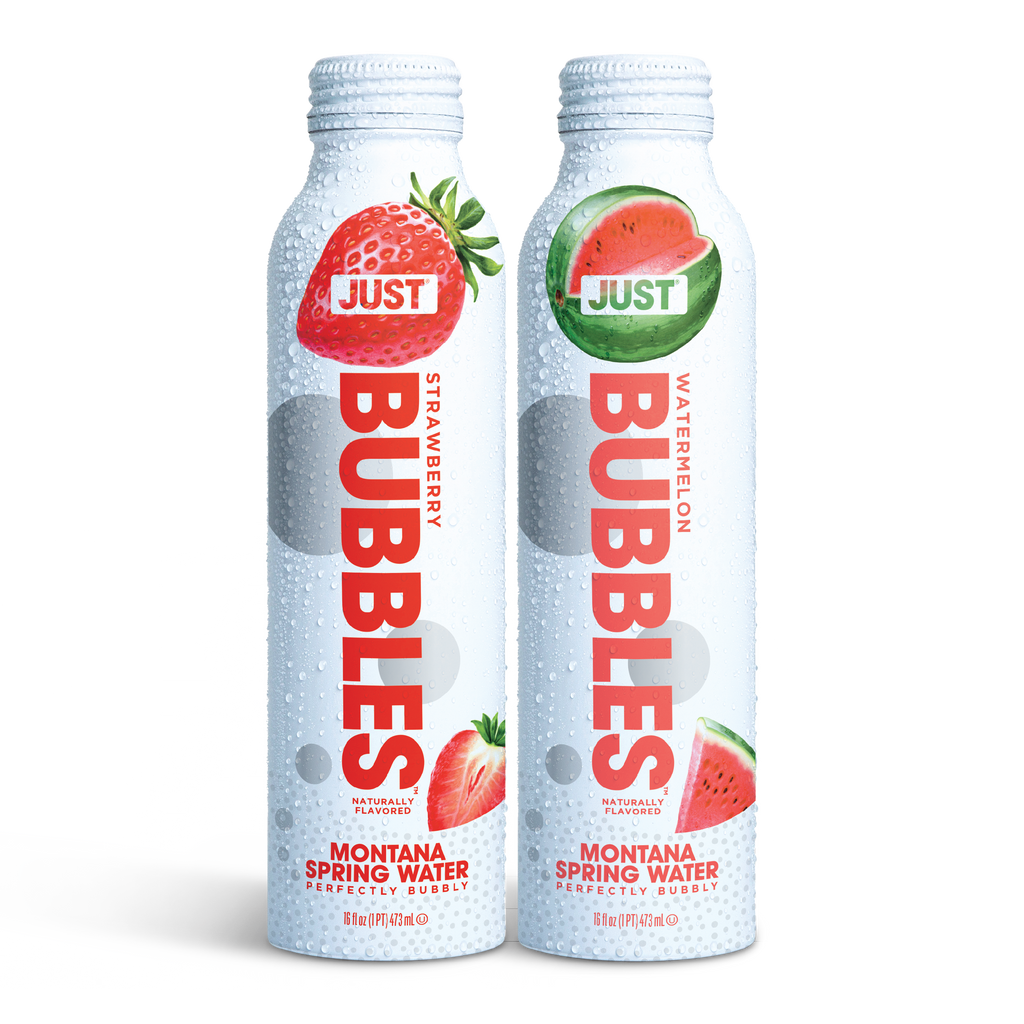
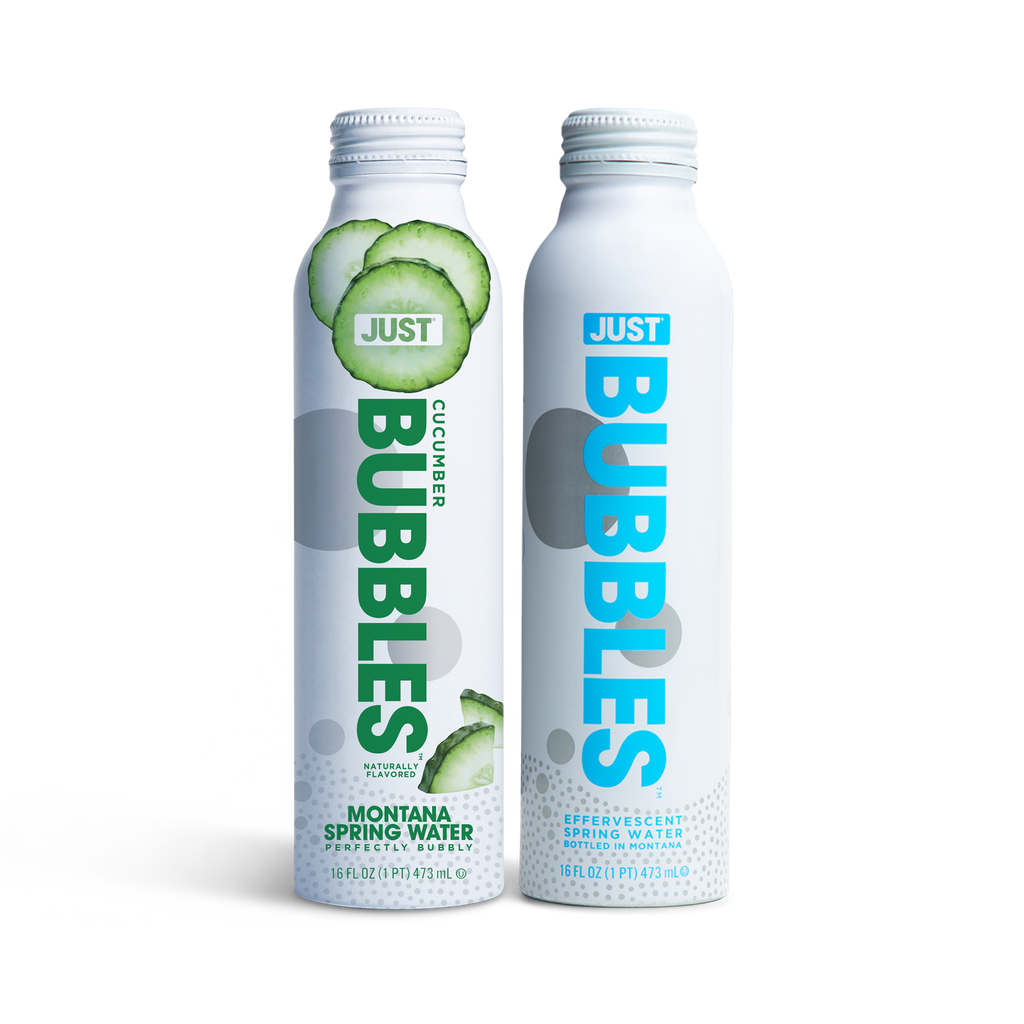
JUST Keep it Simple: Keep a 100% spring water carton or bottle of Bubbles right on your nightstand or desk. Our paper-based cartons aren't just pretty; they’re ready when you are. No dishes, no friction.
3. Use Visual Cues
Your brain's Reticular Activating System (RAS) is like a filter that notices what you tell it is important. By physically placing your water in your line of sight, you’re "priming" your brain to take action.
The Tip: Our iconic blue cartons are hard to miss. Use that bright pop of color as a visual "ping" to take a sip.
4. Celebrate the "Micro-Win"
When you finish a carton, give yourself a mental high-five. Positive reinforcement releases dopamine, which tells your brain, "Hey, that felt good! Let's do it again." Plus, knowing your JUST carton is made from 88% plant-based materials gives you that extra "I'm saving the planet" glow.
Progress, Not Perfection
The psychology of Self-Compassion (Neff, 2003) shows that people who forgive themselves for a slip-up are actually more likely to get back on track than those who beat themselves up. If you forget to hydrate on Tuesday, don't throw the whole resolution away. Just grab a carton on Wednesday.
Setting a resolution shouldn't feel like a chore—it should feel like a small upgrade to your daily flow. So, let’s leave the "extreme makeovers" for reality TV and focus on the small, sustainable sips that actually change your life.
References
Gardner, B., Lally, P., & Wardle, J. (2012). Making health habitual: The psychology of ‘habit-formation’ and general practice. British Journal of General Practice, 62(605), 664–666. https://doi.org/10.3399/bjgp12X659466
Locke, E. A., & Latham, G. P. (2002). Building a practically useful theory of goal setting and task motivation: A 35-year odyssey. American Psychologist, 57(9), 705–717. https://doi.org/10.1037/0003-066X.57.9.705
Matthews, G. (2015). The effectiveness of writing down goals, setting action commitments, and providing quick progress reports to a supportive friend. Paper presentation, 9th Annual International Conference of the Psychology Research Unit of Athens Institute for Education and Research (ATINER), Athens, Greece.
Dai, H., Milkman, K. L., & Riis, J. (2014). The fresh start effect: Temporal landmarks motivate aspirational behavior. Management Science, 60(10), 2563–2582. https://doi.org/10.1287/mnsc.2014.1901
Neff, K. D. (2003). Self-compassion: An alternative conceptualization of healthy attitudes toward oneself. Self and Identity, 2(2), 85–101. https://doi.org/10.1080/15298860309032
JUST WATER
$50 JUST Gift Card