





HOW TO HABIT STACK YOUR WORKOUT & WELLNESS ROUTINE
Written by Just Water
You brush your teeth. You make your coffee. You check your phone before your eyes are fully open. These aren't accidents.
They're habits.
Believe it or not, they're also your secret weapon for building a stronger, more consistent wellness routine.
Enter: habit stacking. It's one of the simplest, science-backed strategies for making new healthy behaviors actually stick, and it can completely transform the way you move, recover, and show up for yourself every single day.
Here's our habit stacking breakdown to help you build a routine that brings you closer to the happiest, healthiest version of YOU.
What Is Habit Stacking?
Coined by author James Clear in Atomic Habits, habit stacking is the practice of linking a new habit to an existing one. The formula is simple:
"After/Before I do [CURRENT HABIT], I will then [NEW HABIT]."
Your brain already has neural pathways built around your existing habits. Habit stacking works by piggybacking on those pathways to make new behaviors feel automatic and far faster than you ever could starting from scratch.
The key? Keep the stack specific, realistic, and tied to something you genuinely already do. No reinventing your entire life required.
Working in Water Throughout Your Day
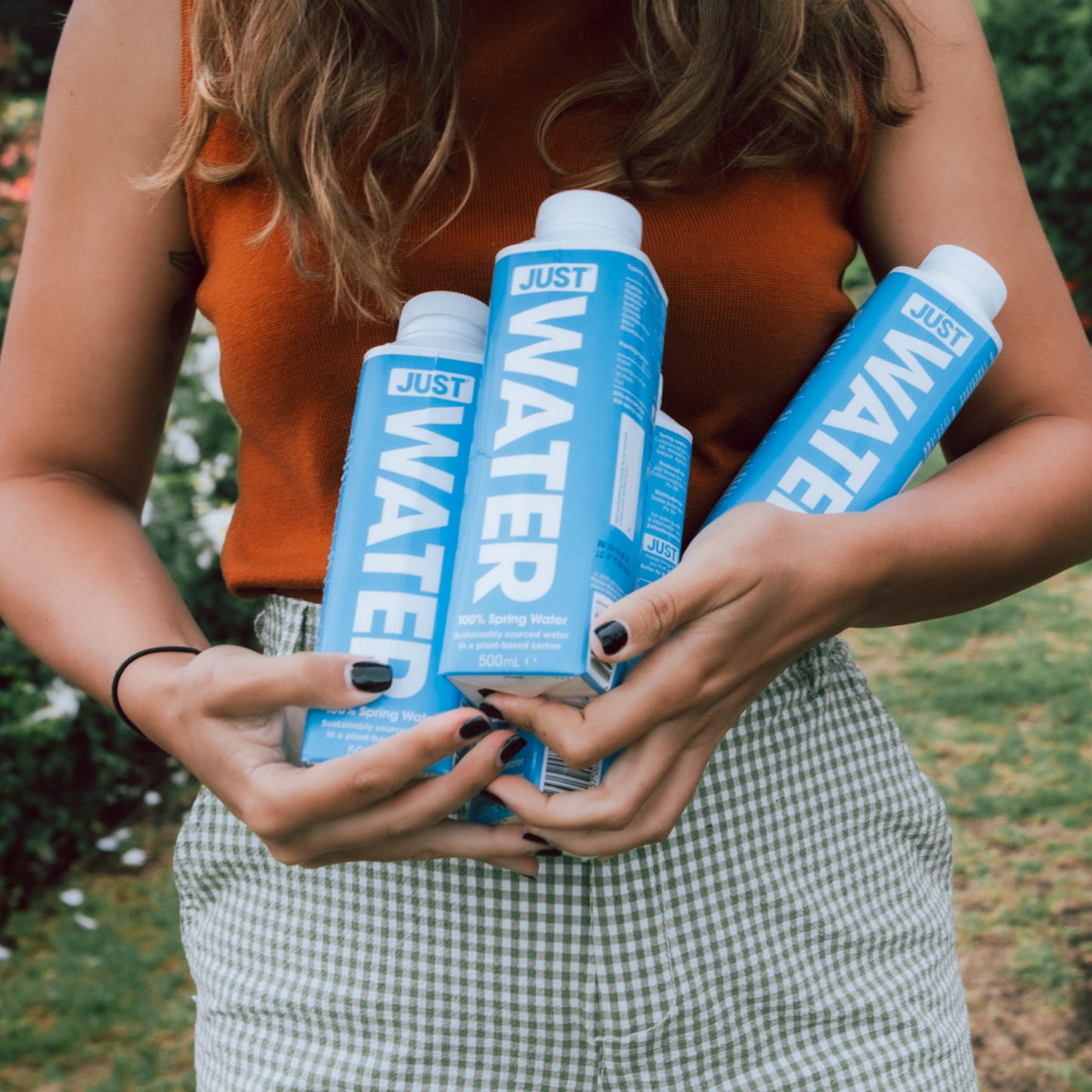
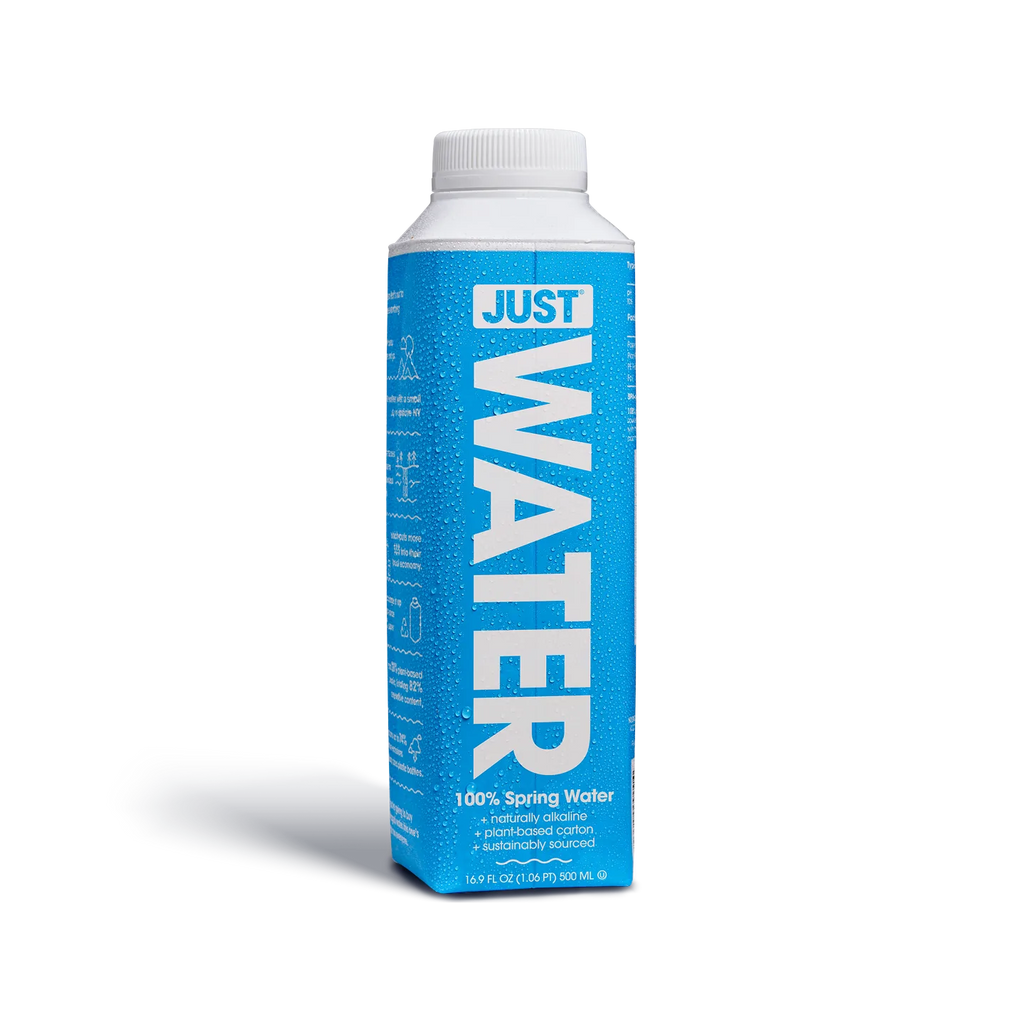
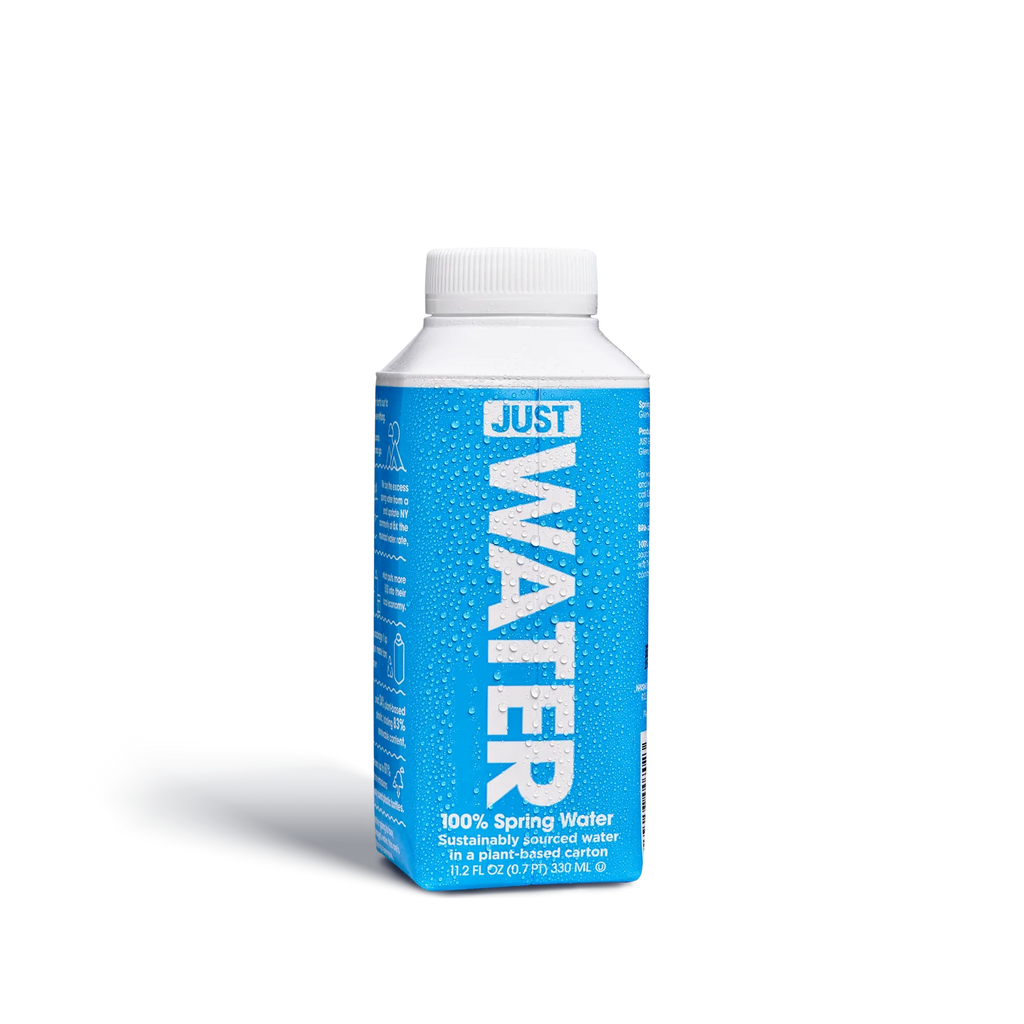
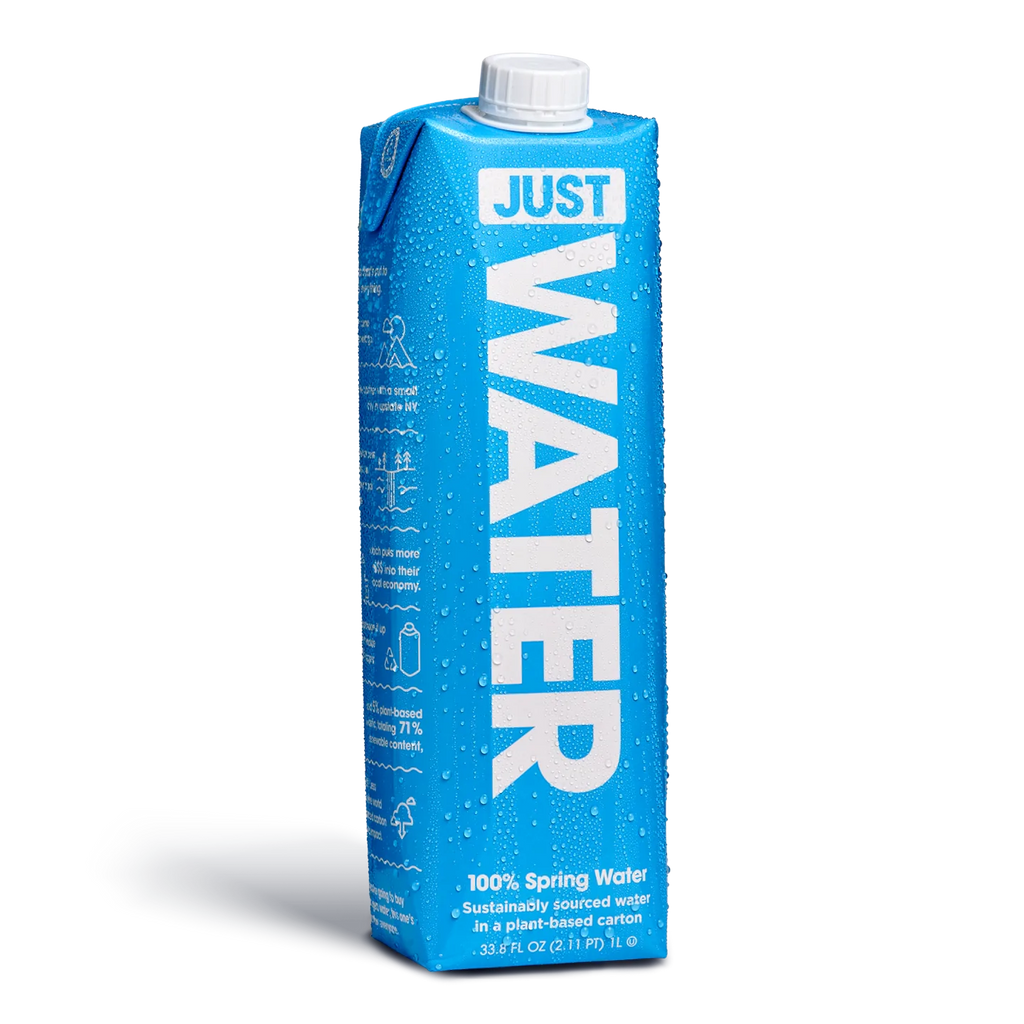
Hydration is one of the easiest habits to stack because it fits everywhere—morning, midday, pre-workout, post-sweat, before bed. And when your water comes in a carton made from 88% plant-based materials versus traditional plastic packaging, grabbing it becomes a feel-good act on top of a feel-good habit.
Check out these powerful habit stacks to build your routine around:
Stack 1: Morning Alarm → Hydrate
The moment you silence your alarm is a perfect anchor. Your body has likely been in a fast for 7–8 hours and your cells are craving water before caffeine, cortisol, or a screen.
The stack: "After I turn off my alarm, I will finish at least 8oz or half a carton of water before I touch my phone."
Before you go to sleep, make sure you grab a carton, aluminum bottle, or glass of water and leave one on your nightstand the night before. Morning hydration = mission accomplished before breakfast. Just make sure to choose a quality option you know is pure, PFAS-free, and if possible, not from the tap.
Stack 2: Lacing Up Your Shoes → Pre-Workout Hydration
That moment you sit down to lace your sneakers is a ritual. Make it count.
The stack: "Before I put on my second shoe, I will drink at least half a carton, aluminum bottle, or glass of water."
Pre-workout hydration helps maintain performance, supports muscle function, and reduces the risk of cramping.
Stack 3: Post-Workout Stretch → Rehydrate + Recover
Most people skip the cooldown. Don't be like most people. Your post-sweat stretch is the perfect time to flood your system with clean, mineral-rich water.
The stack: "While I hold my cool down stretch, I will finish all of the water in my carton or bottle."
This double-stacks recovery: stretching reduces soreness, and rehydration supports muscle repair. Done together, you're setting yourself up to actually want to work out again tomorrow.
Stack 4: Making Coffee → Drink Water First
This is the one everyone needs. Coffee is a mild diuretic — starting your day with it before hydrating is essentially running your engine on fumes.
The stack: "While my coffee brews, I will drink a full carton, aluminum bottle, or glass of water."
The wait time while coffee brews is typically 4–5 minutes — more than enough time to hydrate properly. You'll notice the difference in your energy levels, focus, and digestion within days.
Stack 5: Setting Your Alarm at Night → Wind-Down Sip
Nighttime dehydration is real, and it affects sleep quality more than most people realize. Build a hydration ritual into your bedtime routine.
The stack: "After I set my alarm for tomorrow, I will take 5 slow sips of water and place a fresh carton, aluminum bottle, or glass on my nightstand."
It's not about chugging, but closing the loop on your daily hydration with intention, and setting yourself up for Stack #1 to kick off tomorrow seamlessly.
Habit Stacking Mobility & Stretching
Mobility work is the first thing to get dropped when life gets busy, which is exactly why it needs a habit anchor. Linking stretching and recovery to something you already do consistently makes it nearly impossible to skip.
Stack 6: Post-Workout Shoes Off → Start Your Stretch
The act of removing your shoes after a workout is one of the most natural transition moments in your day. Use it.
The stack: "After I take off my shoes post-workout, I will immediately begin a 5-minute stretch or mobility sequence."
You don't need a full routine. In fact, even five minutes of intentional movement dramatically improves flexibility and recovery over time. Pairing it with the shoes-off anchor means it happens before your brain has a chance to negotiate. Pro-tip—avoid scrolling on your phone while you stretch! Many of us get lost in the doom scrolling cycle as soon as we sit down to stretch post-workout, so try to keep yourself in the moment and off the ‘gram!
Stack 7: Watching TV → Floor Mobility Work
This is one of the highest-leverage stacks for people who struggle to find time for mobility. You already watch TV. Your floor is free. The math works out.
The stack: "While I watch one episode of TV at night, I will do hip openers, thoracic rotations, or a full floor mobility flow."
Passive TV time becomes active recovery time. Progress adds up fast when you're logging 30–45 minutes of mobility work five nights a week without changing your schedule at all.
Habit Stacking Daily Movement & Steps
You don't have to carve out dedicated "exercise time" to dramatically increase how much you move every day. The goal is to make movement the default response to moments you're already in versus an extra event you have to schedule.
Stack 8: Making Coffee → Morning Walk
While your coffee brews, your body is ready to move. Those 4–5 minutes can become your most consistent daily movement anchor.
The stack: "While my coffee brews, I will walk around the block or do 5 minutes of gentle movement right in my kitchen, like air squats, calf raises, and even elevated pushups off the countertop."
Morning light exposure and gentle movement first thing in the morning both help to regulate cortisol, support circadian rhythm, and can set a productive tone for the day.
Stack 9: Work Call → Standing or Walking
The average person has multiple phone calls or virtual meetings per day. Most of them don't require you to sit down.
The stack: "Every time I join a phone call, I will stand up or walk while I talk."
Walking meetings are proven to boost creativity and reduce afternoon energy slumps.
Stack 10: Lunch Break → 10-Minute Walk
Midday is a natural reset point. Most people use it to eat at their desks and scroll. Reclaim it and reframe it to be an opportunity to recharge mind, body, and spirit.
The stack: "After I finish lunch, I will take a 10-minute walk outside if possible, or around the office when the weather isn’t cooperating."
A post-lunch walk improves digestion, stabilizes blood sugar, and prevents the mid-afternoon slump most people attribute to their meal. The midday movement stack reinforces the routine and makes the whole thing feel intentional, not incidental.
Habit Stacking Meditation & Mindfulness
Meditation is one of the highest-ROI wellness habits out there, and one of the most skipped. The problem usually isn't motivation. It's that it doesn't have a clear home in the day. Habit stacking establishes one.
Stack 11: Brewing Coffee or Tea → Morning Meditation
You already stand in the kitchen waiting for coffee. Your phone is probably in your hand. Redirect that attention.
The stack: "While my coffee or tea brews, I will put my phone down and do 3–5 minutes of intentional breathwork or silent stillness."
You don't need an app. You don't need a fancy yoga studio. You need a simple cue and a kettle. Start with three slow inhales and exhales, let your mind land wherever it wants, and don't pick up your phone until you're poured and ready.
Stack 12: End of Workday → Transition Meditation
One of the hardest parts of remote or hybrid work is transitioning out of work mode. A brief mindfulness practice creates a clean psychological boundary.
The stack: "After I close my laptop at the end of the workday, I will sit quietly for 5 minutes before starting anything else."
This doesn't have to be a formal meditation. Sit, breathe, and let your brain detach from the day. It's a hard stop that signals to your nervous system: work is done. Recovery begins.
Stack 13: Night Alarm Set → Gratitude Practice
The moment you set your alarm is the clearest "end of day" cue most people have. Make it count.
The stack: "After I set my alarm, I will take five slow sips of water and name one thing I did well today."
This micro-stack does multiple things at once: it anchors you in the present moment, and primes your brain for restful sleep with a positive final thought. One reflection. A few deep breaths. That's it.
Your Full Habit Stack at a Glance
You don't need to implement all of these at once. Start with one stack per category and build from there. Here's a sample day that pulls from every pillar:
- Alarm off → Drink water before grabbing your phone
- Shoes on → Pre-workout hydration
- Coffee brewing → Walk outside, a few body weight exercises, or a 5-min meditation
- Last rep done → Rehydrate before cooldown
- Shoes off post-workout → 5-min mobility sequence
- Lunch finished → 10-min walk
- Laptop closed → 5-min transition meditation and breath work
- TV on tonight → Floor mobility work
- Alarm set → A few sips of water + one positive reflection from the day
The Smart Stack Hack
The best wellness routine isn't the most complicated one. It's the one you actually do. Habit stacking turns your existing life into the scaffolding for a healthier one. Layer these simple hacks slowly and over time, you’ll seamlessly transition from just surviving to thriving, one stack at a time.
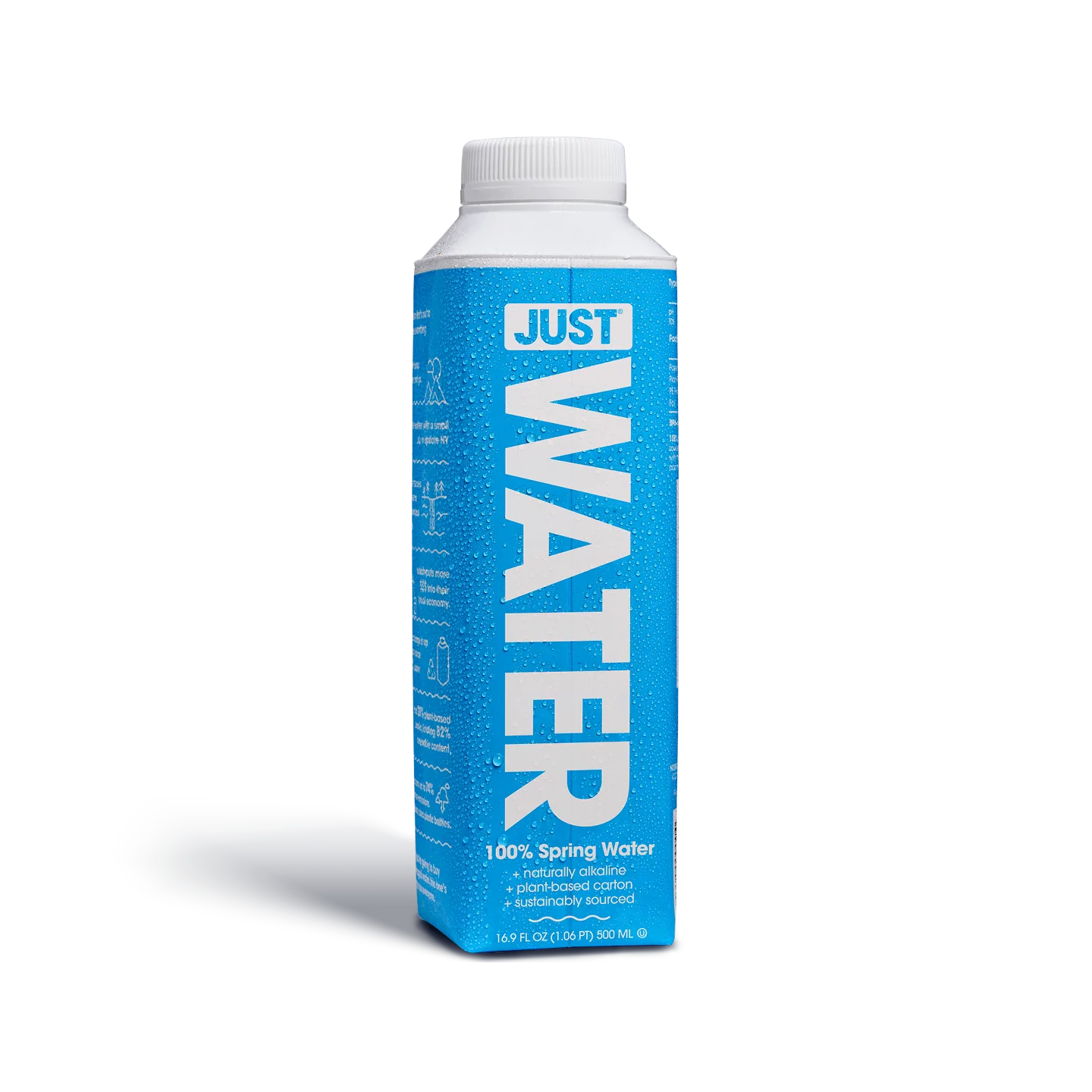
JUST WATER
Spring Water -- 16.9 fl oz | 24 Pack