



ECO-CONSCIOUS EATING 101: HOW TO REDUCE FOOD WASTE AT HOME
Written by Just Water
Every year, roughly one-third of all food produced globally never gets eaten. It rots in the back of the fridge, gets tossed because it looks a little funny, or gets forgotten at the bottom of a grocery bag. For anyone who cares about living more sustainably, and we're guessing that's you, food waste is one of the most impactful places to start making changes. And the good news? You don't have to overhaul your entire life to do it.
Here's your beginner's guide to eating more mindfully, wasting less, and building an eco-conscious kitchen, one bite at a time.
Start With What You Have
Before your next grocery run, do a full fridge and pantry audit. Pull everything out, check expiration dates, and take stock of what actually needs to be used up. Nine times out of ten, you'll find the building blocks for at least two or three meals already sitting in your kitchen. Think of things you might look past like a can of chickpeas, half a bag of lentils, some wilting herbs that are one good chop away from pesto.
Shopping your own shelves first is one of the simplest habits you can build, and it'll save you money just as fast as it saves food from the trash.
Plan Your Meals (But Keep It Flexible)
Meal planning doesn't have to mean rigid, color-coded spreadsheets. Even a loose idea of what you're making for the week, written on a sticky note on the fridge, can help you buy only what you need and actually use what you buy.
The key is building meals that share ingredients. If you're buying a bunch of kale, plan to use it in a grain bowl on Monday, a pasta on Wednesday, and a smoothie on Friday. Overlap is your friend.
Store Things Right
A lot of food waste comes down to improper storage. Some of these are things that could last two weeks if stored correctly that you find regularly going bad in three days. A few quick rules:
- Herbs last much longer wrapped in a damp paper towel inside a bag, or standing upright in a glass of water like flowers.
- Berries should be washed in a diluted vinegar rinse before storing — it kills mold spores and extends their life significantly.
- Cheese prefers wax paper or parchment over plastic wrap, which traps moisture and speeds up spoilage.
- Bread does best in the freezer if you're not going to finish it in a few days. Slice before freezing so you can pull out exactly what you need.
Small tweaks, big difference, and massive financial savings over time.
Embrace the "Use It Up" Meal
Give yourself one meal per week. A Friday dinner, a Sunday lunch, that's dedicated entirely to clearing out whatever's left in the fridge. Frittatas, grain bowls, stir-fries, soups, and tacos are all forgiving formats that can accommodate almost anything.
Compost What You Can't Use
Even the most eco-conscious eaters will have scraps. Peels, cores, coffee grounds, eggshells are all things we often banish to the landfill (where organic matter actually produces methane as it decomposes). The solution? Start composting! You don't need a big backyard setup to do it. Countertop compost bins are compact and odor-controlled, and many cities now offer curbside compost pickup alongside recycling.
If you're in a smaller space, look into bokashi composting, which works even in apartments and handles things like meat and dairy that traditional composting doesn't.
Rethink "Expiration" Dates
Here's something most people don't know: "best by" and "sell by" dates are not safety indicators. They're manufacturer suggestions for peak quality. Yogurt that's a few days past its date? Almost certainly fine. Dry pasta from two years ago? Absolutely fine. Use your senses—smell it, look at it, rather than defaulting to the date on the label.
The USDA estimates that confusion over date labels contributes significantly to household food waste. Getting comfortable with the smell test alone can save you from tossing a lot of perfectly good food.
Hydrate Smarter, Waste Less
Sustainability in the kitchen extends beyond what you eat — it's also about what you drink and how you drink it. Beverages are actually a surprisingly significant source of household waste, between half-finished bottles, expired cartons of juice, and the sheer volume of single-use plastic and aluminum that accumulates over time. A few swaps go a long way:
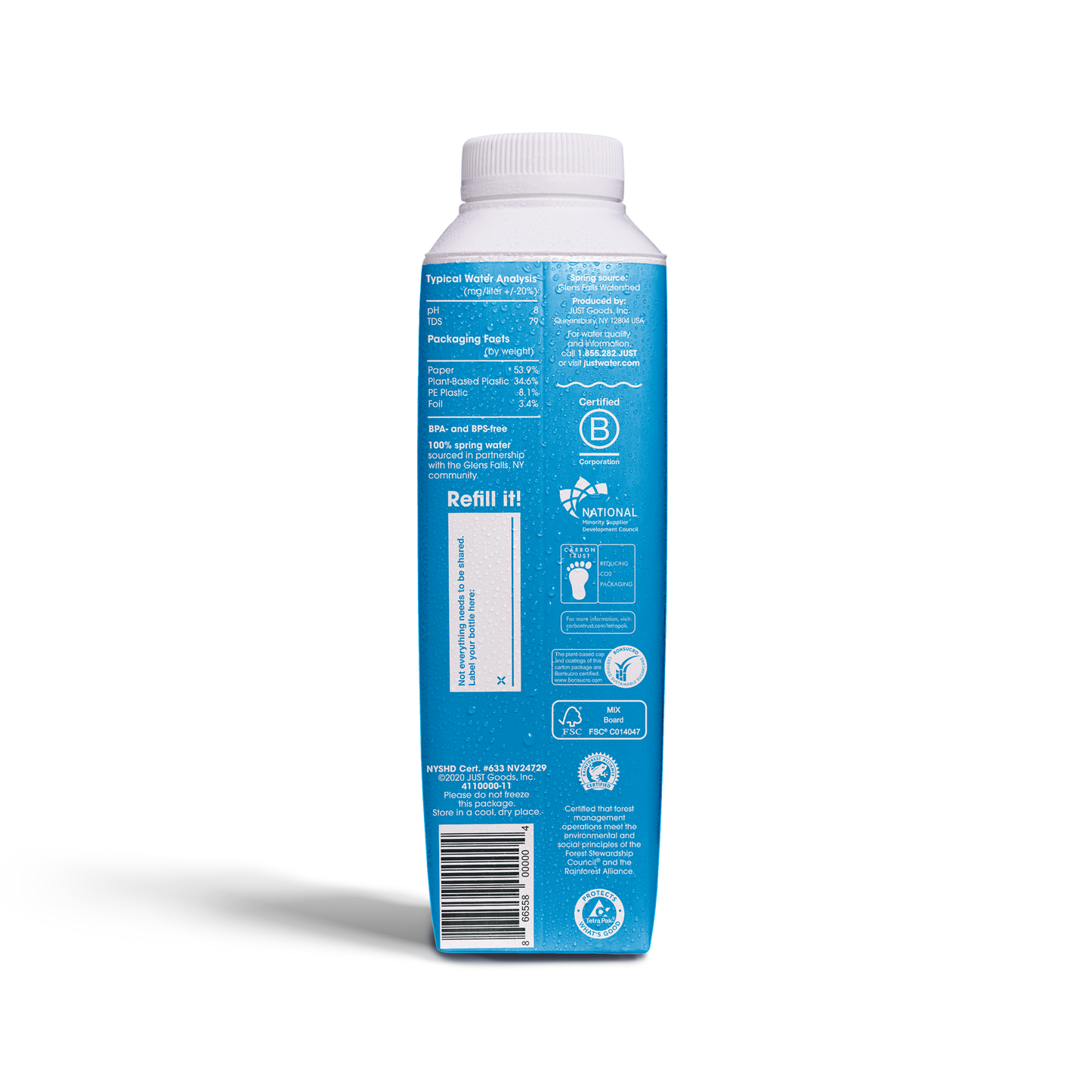
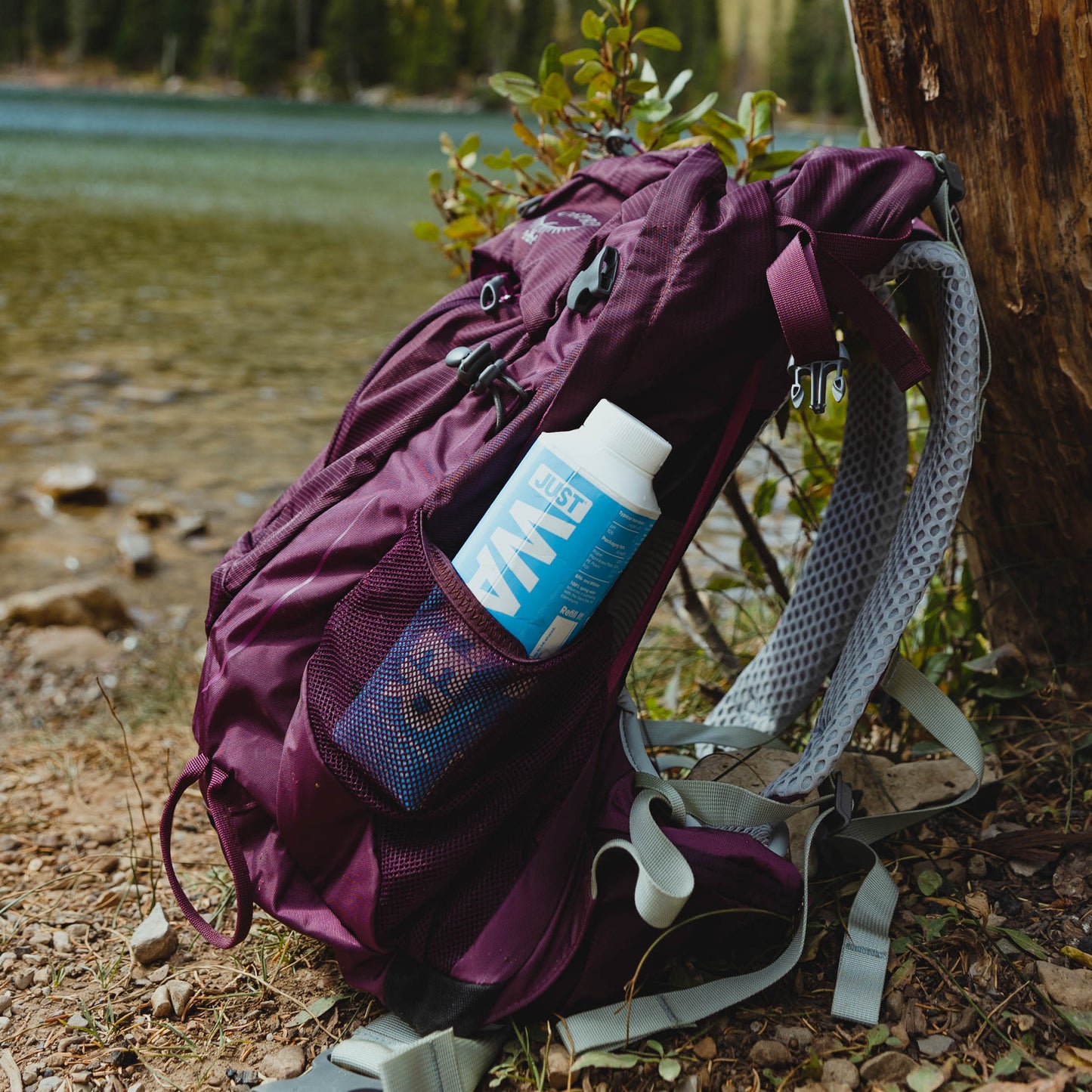
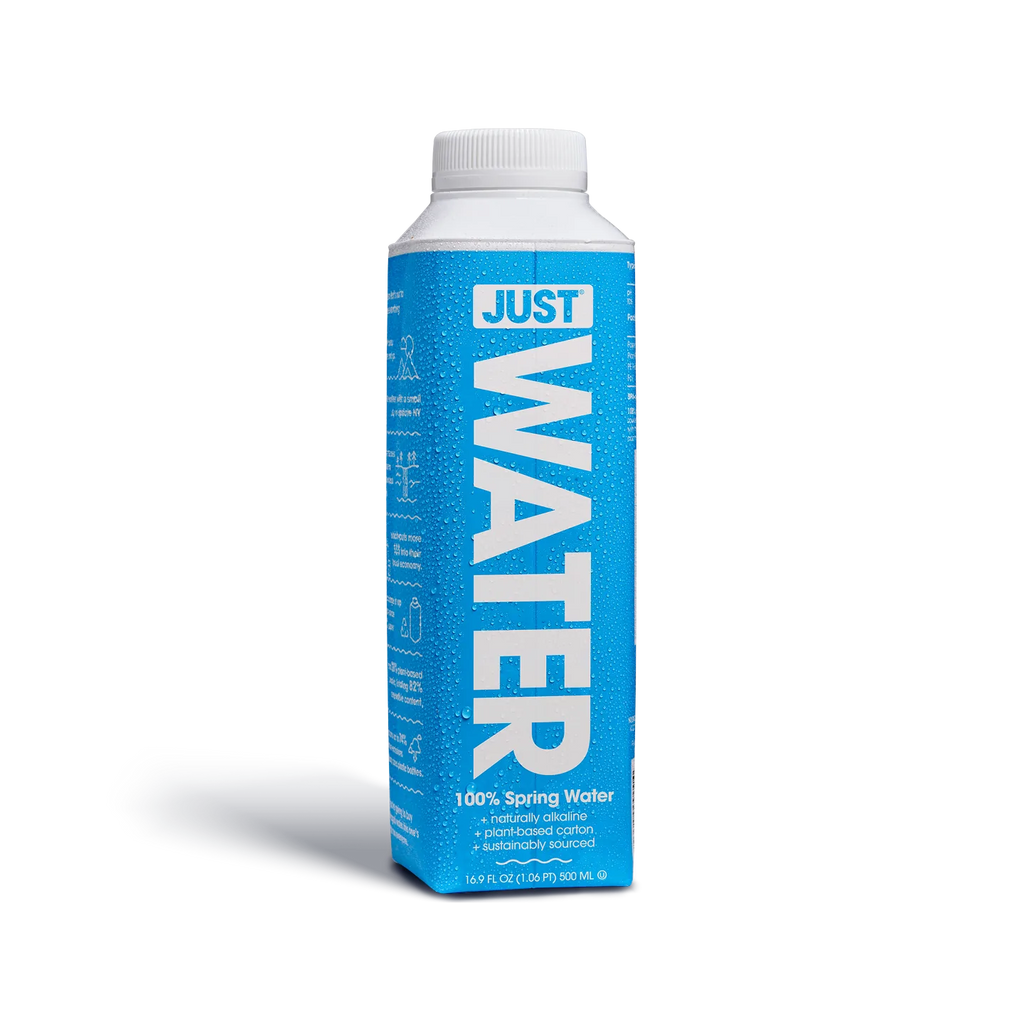
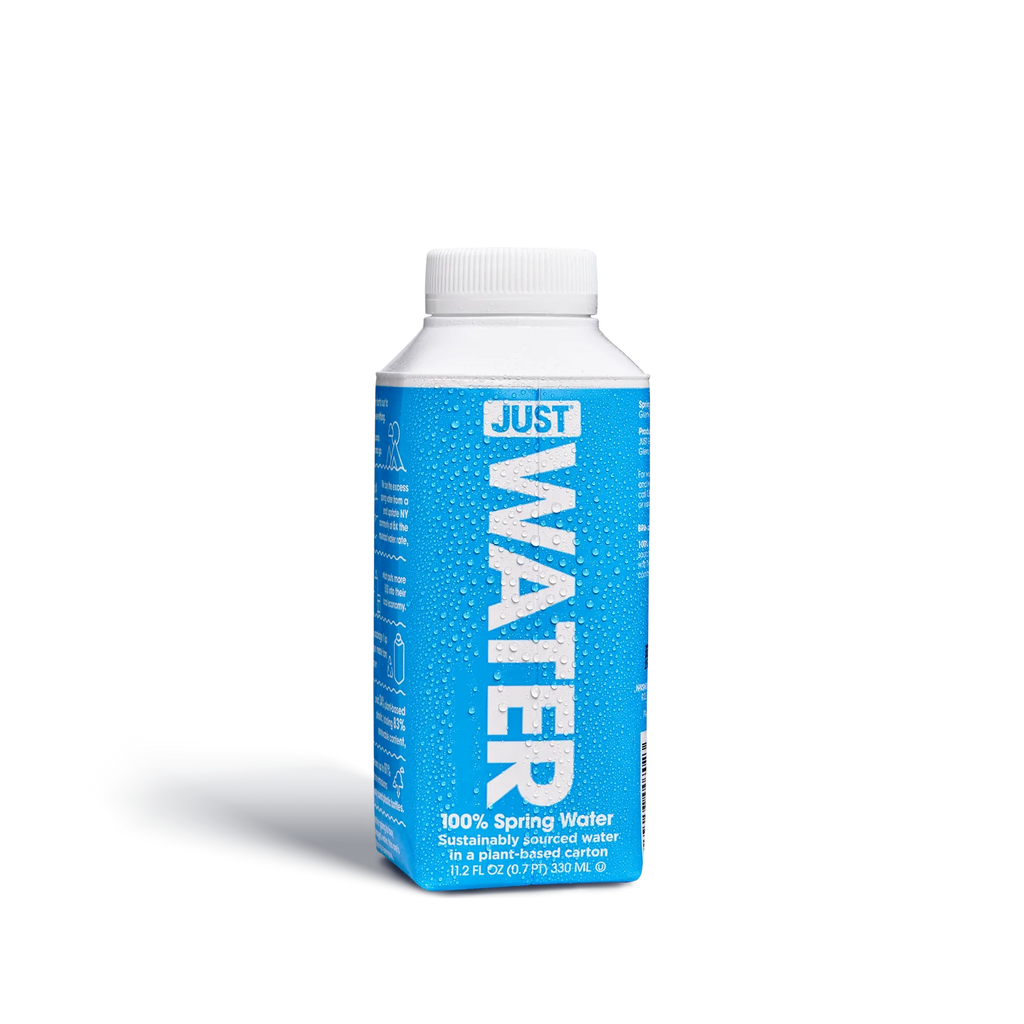
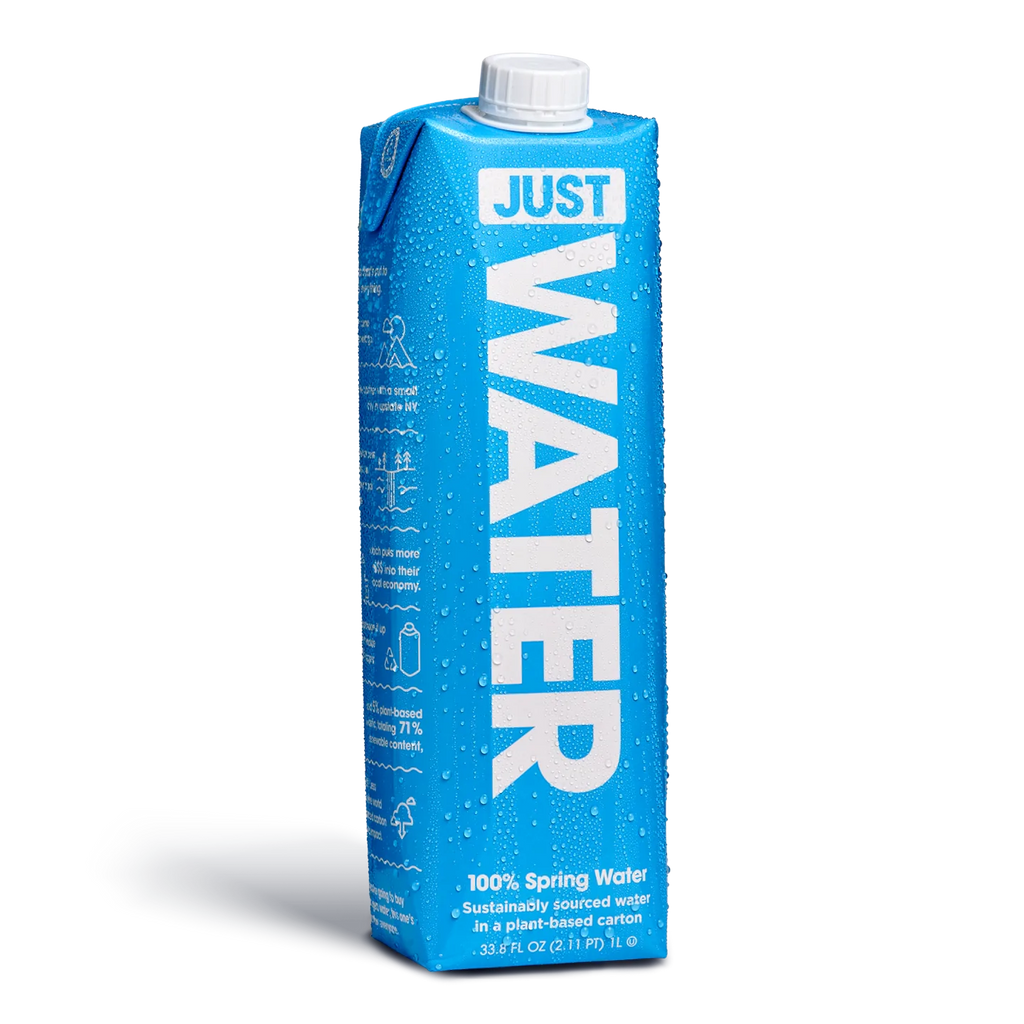
- Ditch the disposable plastic bottles. Single-use plastic water bottles are one of the most wasteful purchases you can make on a weekly basis. Choosing eco-friendly options like JUST Water instead means you're already making a more thoughtful call: the cartons are made from plant-based materials, more recyclable than traditional plastic, and use sustainably sourced spring water. Keeping a few cartons in the fridge is an easy, low-footprint way to stay hydrated while you're cooking, prepping, or just moving through your day. The big bonus? Going plastic-free helps you avoid consuming unwanted microplastics that can leach from traditional plastic-packaged water bottles.
- Use up juice and plant-based milks before they turn. Half-finished cartons of OJ and oat milk are a sneaky source of food waste. Pour leftover juice into ice cube trays and use the cubes in smoothies or cocktails. Oat milk that's on its way out works beautifully in pancake batter, overnight oats, or a quick béchamel.
- Brew tea and coffee in batches. Instead of single-serve pods (which generate a surprising amount of plastic and aluminum waste), brew a full pot and refrigerate the rest for iced coffee or tea later in the week. It's cheaper, less wasteful, and honestly tastes better.
The Bigger Picture
Reducing food waste at home isn't about being perfect. It's about being a little more intentional and about what you buy, how you store it, and what you reach for when you're thirsty. When millions of people make small, consistent shifts, those choices add up to something meaningful.
Start where you are, use what you have, and take it one small step at a time.
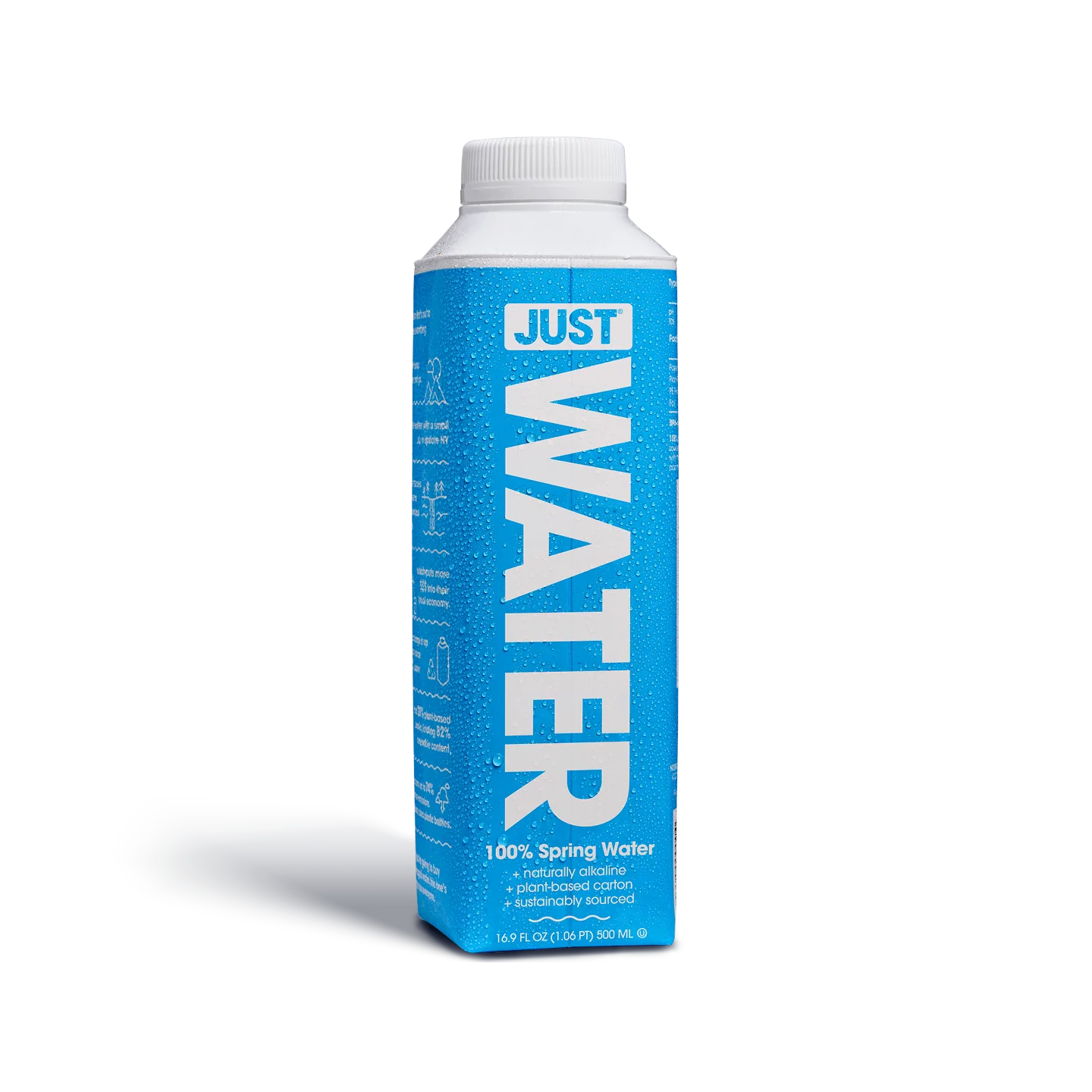
JUST WATER
Spring Water -- 16.9 fl oz | 24 Pack